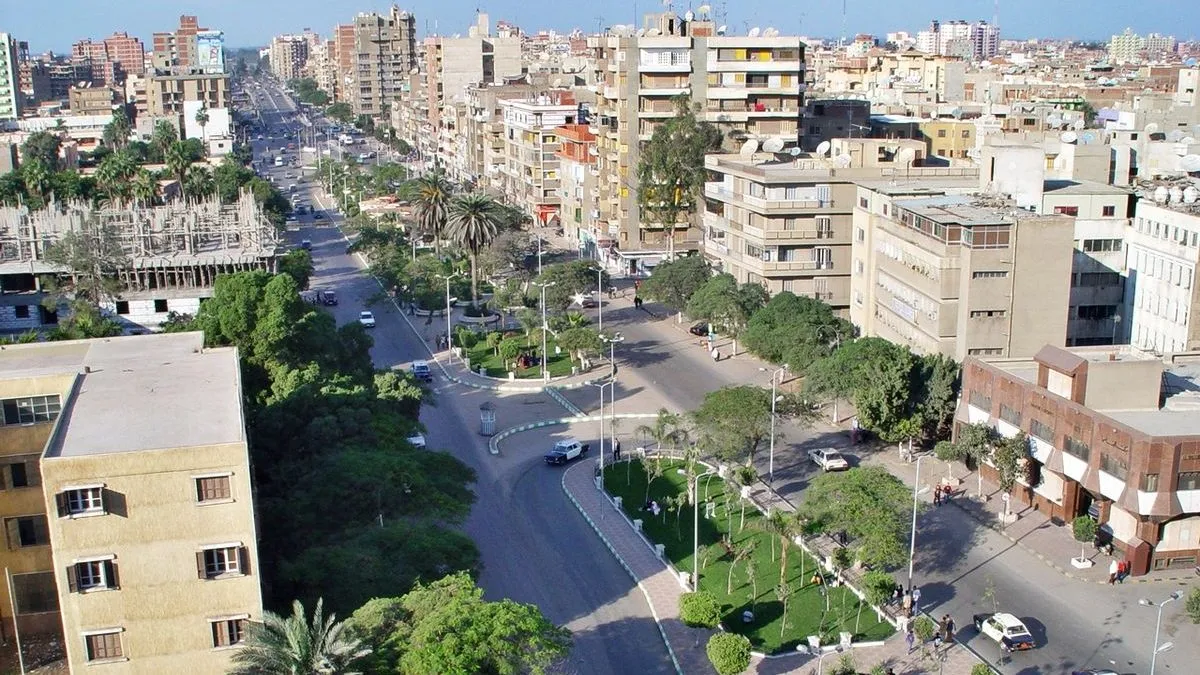
Gharbia Governorate in Egypt has witnessed rainfall over the past few days, contributing to the improvement of agricultural crops in the region. This rain has arrived at a crucial time, as farmers are suffering from water shortages due to climate changes affecting freshwater sources.
The rainfall is considered a blessing for agriculture in the governorate, helping to revive farmland that has been impacted by drought. Farmers have expressed optimism regarding the effect of this rain on their crops, especially given the challenges they face in securing the necessary irrigation water.
Details of the Event
The rain has fallen across various cities and centers in Gharbia Governorate, including the cities of Tanta, Kafr El-Zayat, and Zifta. Local reports have noted that the amount of rainfall has varied, with some areas recording higher quantities than others. This variation in precipitation may affect the distribution of water in agricultural lands.
Weather experts have indicated that this rainfall may continue for a short period, but it is sufficient to replenish soil moisture and enhance crop growth. Officials have urged farmers to take advantage of this rain to improve their irrigation routines.
Background & Context
Gharbia Governorate is one of Egypt's most important agricultural regions, cultivating numerous crops such as wheat, rice, and cotton. However, climate changes and limited water resources pose significant challenges for farmers. These conditions have impacted agricultural production in recent years, prompting the government to take measures to improve water management.
Historically, rain has played a vital role in Egyptian agriculture, but climate changes have led to fluctuations in precipitation patterns, increasing the importance of this rainfall at present. There is an urgent need to develop new strategies to adapt to these changes.
Impact & Consequences
The impact of this rainfall will be evident on agricultural production in the governorate, as it is expected to contribute to increased crop yields and improved quality of production. Additionally, this rain may help reduce reliance on irrigation water from groundwater sources, aiding in the conservation of water resources.
Despite the potential benefits, there must be awareness of the importance of effective water management. Climate changes may lead to subsequent drought periods, requiring farmers to prepare to face these challenges.
Regional Significance
The rainfall in Gharbia Governorate serves as a model for what can occur in other parts of the Arab world that are facing water shortages. Many Arab countries are facing similar challenges due to climate changes, necessitating cooperation among nations to share experiences and strategies in water management.
Enhancing agriculture through rainfall is vital for food security in the region, as many countries heavily rely on agriculture to meet their food needs. Therefore, any improvement in agricultural production can have a positive impact on the local and regional economy.
In conclusion, rainfall remains a blessing for farmers in Gharbia Governorate, but it also requires effective strategies to ensure maximum benefit in facing future challenges.