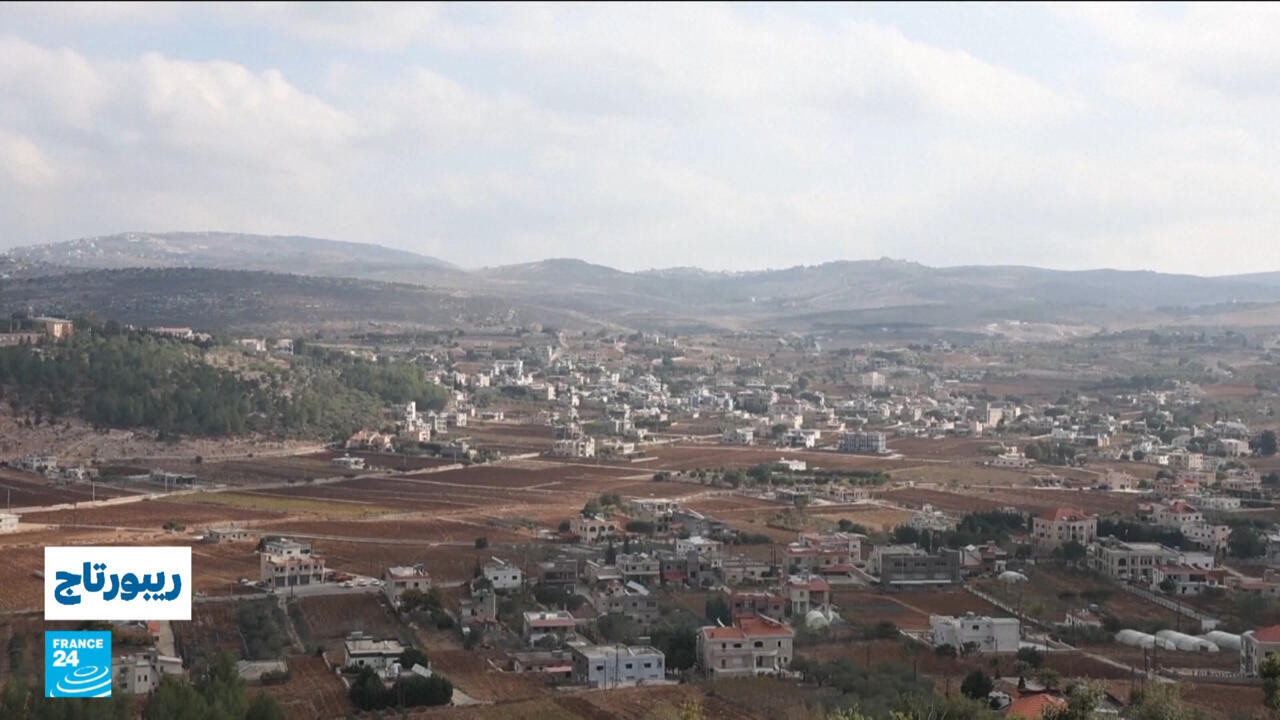
The convoys of aid struggle to reach the rugged roads in southern Lebanon, heading towards villages near the front line. In Ramish, situated directly on the border with Israel, residents face significant challenges due to the intermittent shelling and the illumination of their night sky by artillery fire. Despite the growing threats and the absence of schools and basic services, many residents choose to stay in their village, fearing that leaving might be permanent.
Ramish is one of the villages that reflects the dire reality faced by border communities. As the conflict escalates in the region, daily life for residents becomes increasingly threatened. Residents speak of feelings of anxiety and fear that grip them, as their village is repeatedly shelled, leaving them in a state of continuous tension.
Event Details
Reports indicate that the intermittent shelling of Ramish has led to the destruction of many homes, prompting some families to consider leaving the village. However, many prefer to stay, asserting that they do not want to abandon their land. One resident says, 'If we leave, we may never return, and that frightens us more than anything else.'
The concerns are growing that military operations will lead to a mass displacement of residents, especially as battles draw closer to their villages. In the absence of schools, children face significant challenges in accessing education, further complicating the situation. The shortage of basic services like electricity and water exacerbates the residents' plight.
Background & Context
Ramish has historically been a strategic area due to its proximity to the Israeli border. The village has witnessed numerous armed conflicts over the years, making it vulnerable to humanitarian crises. Since the start of the current conflict, conditions have worsened, with residents living in a state of continuous uncertainty.
Daily life in Ramish is heavily impacted by the ongoing conflict, with residents forced to adapt to harsh conditions. At the same time, humanitarian organizations continue to provide aid, but accessing affected areas remains a significant challenge.
Impact & Consequences
The continuation of the conflict in Ramish has negative effects on regional stability. As the number of displaced individuals increases, it may exacerbate humanitarian crises in Lebanon. The situation in Ramish also affects relations between Lebanon and Israel, particularly in light of ongoing tensions along the border.
Ramish serves as an example of the devastating impact of wars on local communities, with residents facing multiple risks, including the loss of homes and resources. Under these circumstances, the hope for peace remains distant.
Regional Significance
The situation in Ramish is part of the larger picture of the conflict in the Middle East, with many regions suffering from the effects of wars and conflicts. The continuation of humanitarian crises in Lebanon may affect regional stability, prompting international attention.
In conclusion, Ramish remains a symbol of resilience in the face of challenges, with its residents determined to stay in their land despite all risks. Their story reflects the plight of many communities affected by the scourge of war, highlighting the urgent need for peace and stability in the region.