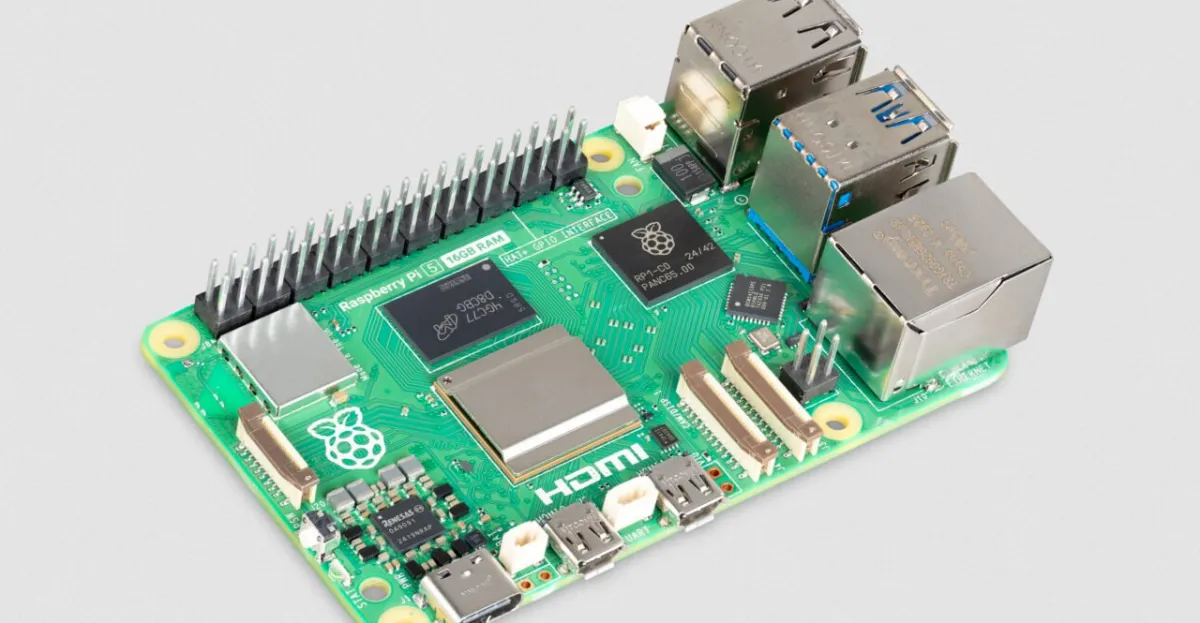
Raspberry Pi, a company specializing in the manufacturing of small computers, has announced a substantial increase in the prices of the 16GB Raspberry Pi 5 model, with prices rising by $100 to reach $220. This increase comes amid a persistent shortage of random access memory (RAM) that is affecting the electronics industry as a whole.
The new price increases range from $11.25 to $150, reflecting significant challenges the company faces in meeting the growing demand for its products. The company's CEO, Eben Upton, noted in a blog post that these increases are not permanent, emphasizing that current conditions are tough, but improvements are expected in the future.
Details of the Price Increase
This price hike follows previous increases the company experienced in December and February, raising concerns among users and developers who rely on these devices for their projects. The recent price increase poses a significant challenge for users, especially given the current global economic conditions.
As part of its efforts to mitigate the impact of these increases, the company also announced a new release of the Raspberry Pi 4 with 3GB of RAM, priced at $83.75. This new model may serve as a good alternative for users seeking lower-cost options.
Background & Context
Founded in 2012, Raspberry Pi aimed to provide affordable small computers, contributing to the enhancement of education and development in programming and electronics. As demand for these devices has surged, the company has faced significant challenges due to a shortage of essential components, particularly RAM.
The RAM shortage is not a new issue but a consequence of global supply chain disruptions exacerbated by the COVID-19 pandemic, which has impacted many industries, including electronics. These conditions have led to a general increase in prices, raising concerns among consumers.
Impact & Consequences
The price increases for Raspberry Pi serve as a wake-up call for the technology industry, reflecting the ongoing challenges companies face in sourcing essential components. These increases may lead to a decline in sales, particularly among users who depend on these devices for educational or experimental purposes.
Moreover, these price hikes could affect developers and startups that rely on Raspberry Pi for their product development, potentially delaying new innovations in the market.
Regional Significance
In the Arab region, Raspberry Pi is one of the preferred options for students and developers, providing a low-cost solution for learning and development. With the rising prices, Arab users may face difficulties in acquiring these devices, which could negatively impact educational and technological development efforts in the region.
These price increases represent a significant challenge for many educational and technological initiatives in Arab countries, where many young people rely on these devices to develop their programming and electronics skills.