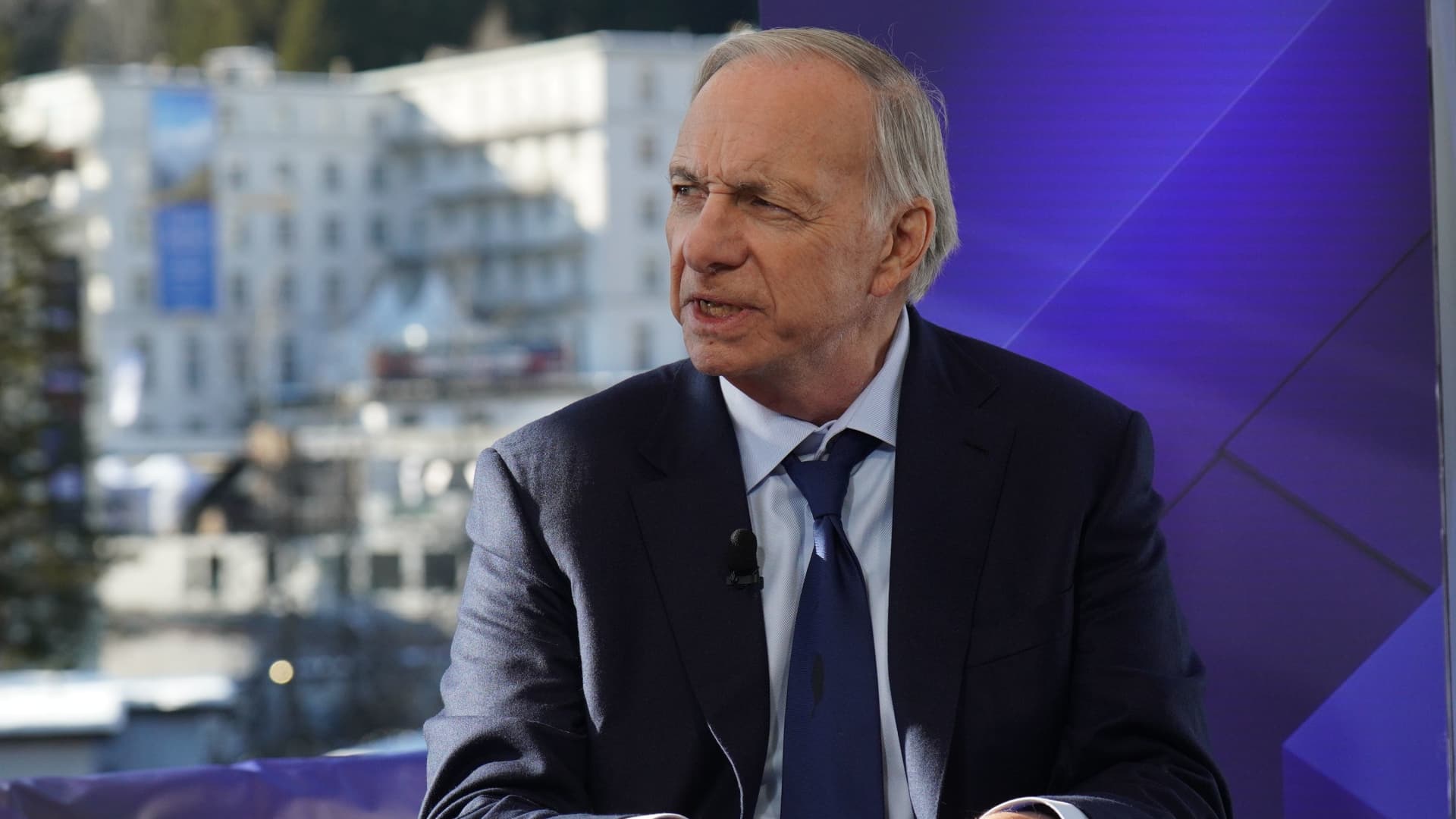
Billionaire investor Ray Dalio has warned that the U.S. economy may have entered a phase of stagflation, indicating that interest rate cuts by Kevin Warsh, a potential candidate for the Federal Reserve chair, would be an unwise decision. This statement was made during his appearance on CNBC, where he noted that ongoing inflationary pressures alongside slowing growth require policymakers to make cautious decisions.
Dalio, founder of Bridgewater Associates, emphasized that the current economic situation necessitates maintaining interest rates and avoiding actions that could lead to a loss of confidence in the central bank. He explained that cutting interest rates at this time could undermine the credibility of the Federal Reserve, especially given the current economic conditions.
Event Details
Dalio stated, "We are certainly in a period of stagflation," pointing out that current inflation is far from the targeted goals. He affirmed that reducing interest rates now is not a suitable option, as it could harm the Federal Reserve's credibility during a very sensitive time.
At the same time, traders expect the Federal Reserve to keep interest rates unchanged at the upcoming meeting, with forecasts suggesting that monetary policy will remain steady for the rest of the year. These expectations reflect the general concern regarding the current economic situation.
Background & Context
Historically, the United States has experienced periods of stagflation, where rising prices coincide with slowing economic growth. This phenomenon places policymakers in a difficult position, as they must make decisions that significantly impact the economy. In recent years, there have been increasing calls to lower interest rates to stimulate growth, but Dalio warns that such a move may be inappropriate at this time.
The geopolitical situation, such as the ongoing conflict with Iran, may also affect markets and increase inflationary pressures. Dalio noted that corporate earnings strength could explain some of the recovery in financial markets, despite economic challenges.
Impact & Consequences
Dalio's warnings come at a critical time, as the Federal Reserve seeks to balance controlling inflation with promoting economic growth. If Warsh decides to cut interest rates, it could lead to a loss of confidence in monetary policy, potentially causing volatility in financial markets.
Moreover, a loss of confidence in the Federal Reserve could have negative repercussions for the entire U.S. economy, as trust plays a crucial role in the stability of financial markets and economic growth.
Regional Significance
For the Arab region, the economic situation in the United States has significant implications. Any changes in U.S. monetary policy could affect investment flows and oil prices, which would reflect on the economies of Arab countries. Under these circumstances, Arab nations must be cautious in their economic policies and closely monitor developments in the U.S. economy.
In conclusion, the economic situation in the United States remains a focal point of global interest, as any decisions made by financial authorities there could impact global economies, including those of Arab countries.