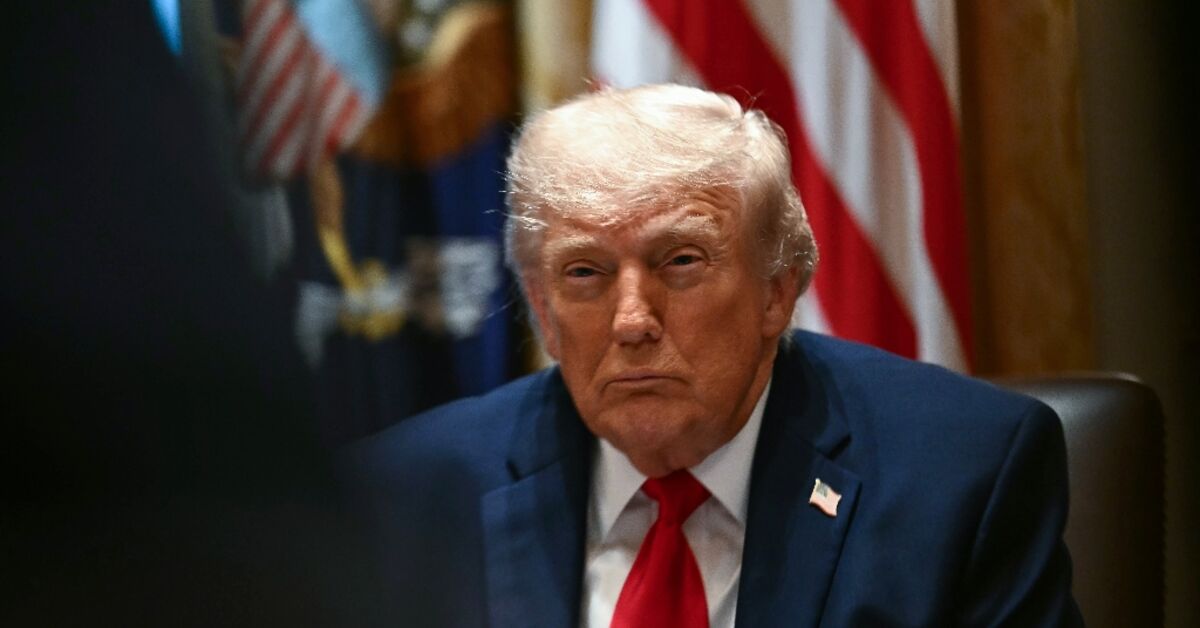
US and Iranian negotiators have reached a preliminary agreement to extend the truce for 60 days, but this agreement still requires approval from President Donald Trump, according to US sources. These sources confirmed reports from the media that a memorandum of understanding was reached aimed at prolonging the truce, opening the Strait of Hormuz, and initiating negotiations regarding Iran's nuclear program.
No immediate confirmation has been obtained from Trump or the Iranian side regarding the details of this agreement. However, this step represents a significant advancement in relations between the two countries, which have experienced severe tensions in recent years.
Details of the Agreement
These developments come at a critical juncture as both parties seek to alleviate the tensions that have plagued the region. The preliminary agreement includes several key points, including the extension of the truce, which could contribute to stabilizing conditions in the Gulf region. Additionally, it includes the opening of the Strait of Hormuz, one of the world's most important maritime passages, which could significantly impact global trade.
Furthermore, the initiation of negotiations regarding Iran's nuclear program represents an important step toward addressing international concerns about Tehran's nuclear activities. These negotiations could pave the way for new opportunities for cooperation between Iran and the United States if a comprehensive agreement is reached.
Background & Context
Historically, US-Iranian relations have experienced significant fluctuations, with tensions beginning after the Iranian Revolution in 1979. Since then, the United States has imposed stringent economic sanctions on Iran, exacerbating conditions in the region. In recent years, these tensions have notably escalated, especially following the US withdrawal from the Iranian nuclear agreement in 2018.
This agreement aimed to limit Iran's nuclear activities in exchange for easing sanctions. However, the US withdrawal led to an increase in Iranian nuclear activities, raising concerns in the international community. Therefore, any progress in the current negotiations could represent a glimmer of hope for achieving stability in the region.
Impact & Consequences
If the United States secures Trump's approval and the agreement is implemented, it could lead to a reduction in tensions in the Gulf region. This could contribute to stabilizing oil prices, as any escalation in the area directly affects global markets.
Moreover, the success of negotiations regarding Iran's nuclear program could enhance regional security and reduce fears of a nuclear arms race in the Middle East. Additionally, this agreement could open avenues for other countries in the region to cooperate with Iran, potentially contributing to peace and stability.
Regional Significance
Considering the situation in the Arab region, any progress in US-Iranian relations could directly impact neighboring countries. Nations such as Saudi Arabia and the UAE are closely monitoring these developments, as any change in the regional balance could affect their security strategies.
Furthermore, stability in the Gulf could enhance economic cooperation among Arab countries, benefiting the peoples of the region. Ultimately, the success of these negotiations could represent a step toward achieving lasting peace in a region plagued by ongoing conflicts.