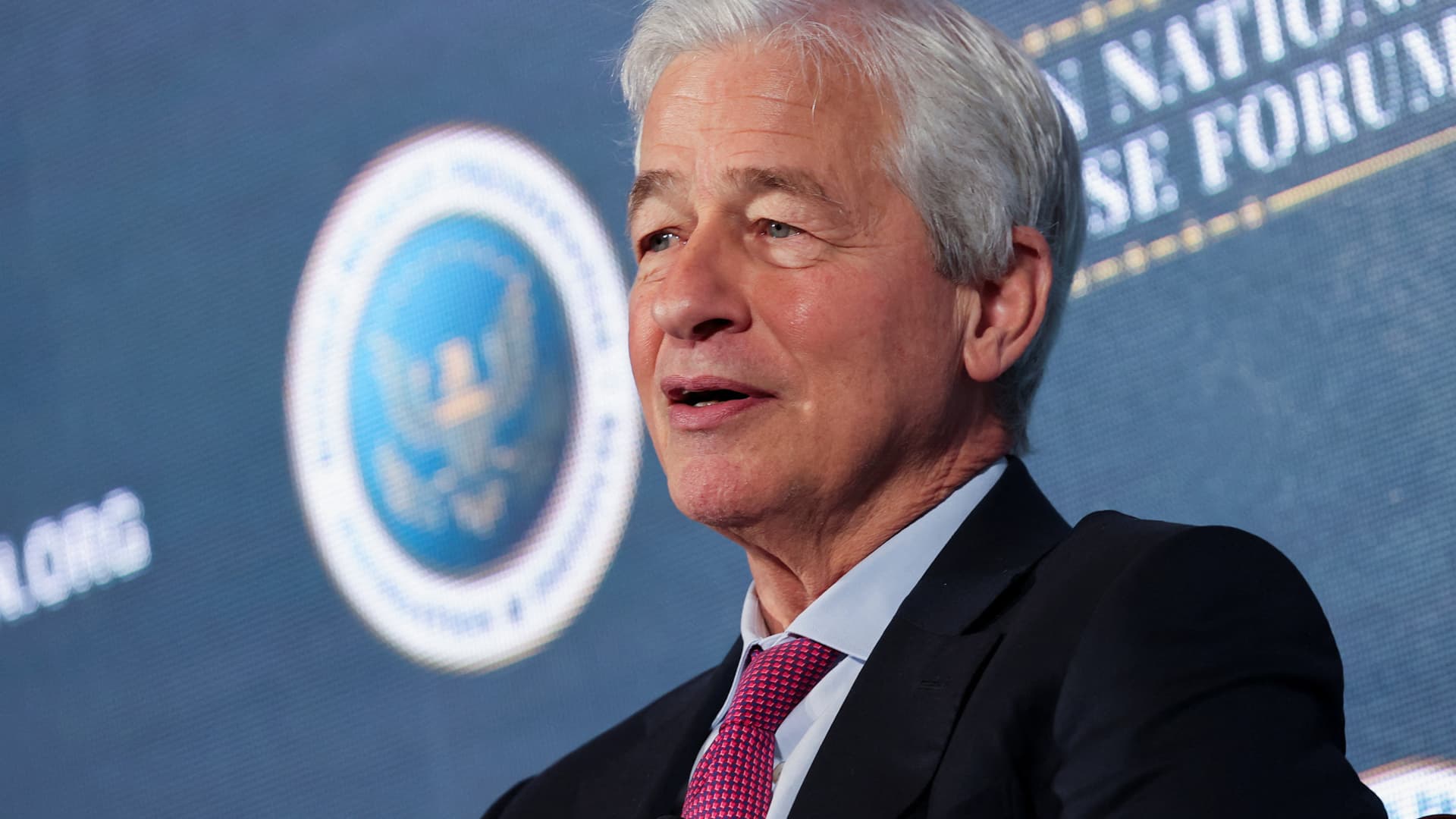
In his annual message to shareholders, Jamie Dimon, CEO of JPMorgan Chase, stressed the necessity of reaffirming core American values in light of the geopolitical and economic crises facing the country. This call coincided with the celebration of the 250th anniversary of the founding of the United States, which he viewed as an opportunity to renew commitment to the principles that established this great nation.
Dimon pointed to the significant and multifaceted challenges confronting the United States, including ongoing wars in Ukraine and Iran, as well as escalating tensions with China. Despite these trying times, he expressed confidence in America's ability to overcome these crises by returning to the values that defined its identity and supported its leadership in the free world.
Economic Risks and Banking Regulations
In his message, Dimon addressed the risks threatening the American economy, including global conflicts, persistent inflation, and disruptions in private markets, along with what he described as "poor banking regulations." He affirmed that the laws enacted after the 2008 financial crisis had yielded some benefits, but had also resulted in a fragmented and slow-moving system, with costly and overlapping regulatory rules.
He criticized capital and liquidity requirements, noting that the current system of stress tests conducted by the Federal Reserve suffers from mismanagement. He elaborated that recent proposals regarding the end of Basel III and fees imposed on large banks were "mixed," indicating that some aspects were illogical.
Background & Context
Historically, the United States has faced numerous economic and political crises that have impacted its global standing. Since the 2008 financial crisis, the U.S. government has worked to bolster regulatory laws in an attempt to prevent a recurrence of such crises. However, it appears that new challenges necessitate a reevaluation of these policies.
Additionally, the trade tensions ignited by former President Donald Trump, which included tariffs on many trading partners, continue to cast a shadow over global economic relations. Dimon asserted that these trade battles are not yet over, and many countries are reassessing their trade relationships.
Impact & Consequences
Dimon's warnings indicate that current geopolitical events could significantly affect the global economic system in the future. Wars and conflicts do not only impact financial markets but may also reshape global economic relationships in unexpected ways.
He also discussed the impact of artificial intelligence on the economy, noting that the pace of adopting this technology is unprecedented. Despite the potential benefits, it remains difficult to predict who will emerge as the winner or loser in this field. He confirmed that JPMorgan will continue to leverage artificial intelligence to enhance services for its clients and employees.
Regional Significance
The emphasis on American values amid global crises reflects the challenges facing the U.S. economy and politics. As the world navigates through complex geopolitical landscapes, the reaffirmation of these values may serve as a guiding principle for future policies.
In conclusion, Dimon's call to return to foundational American values is not just a reflection of current challenges but an essential strategy for ensuring resilience in the face of future uncertainties.