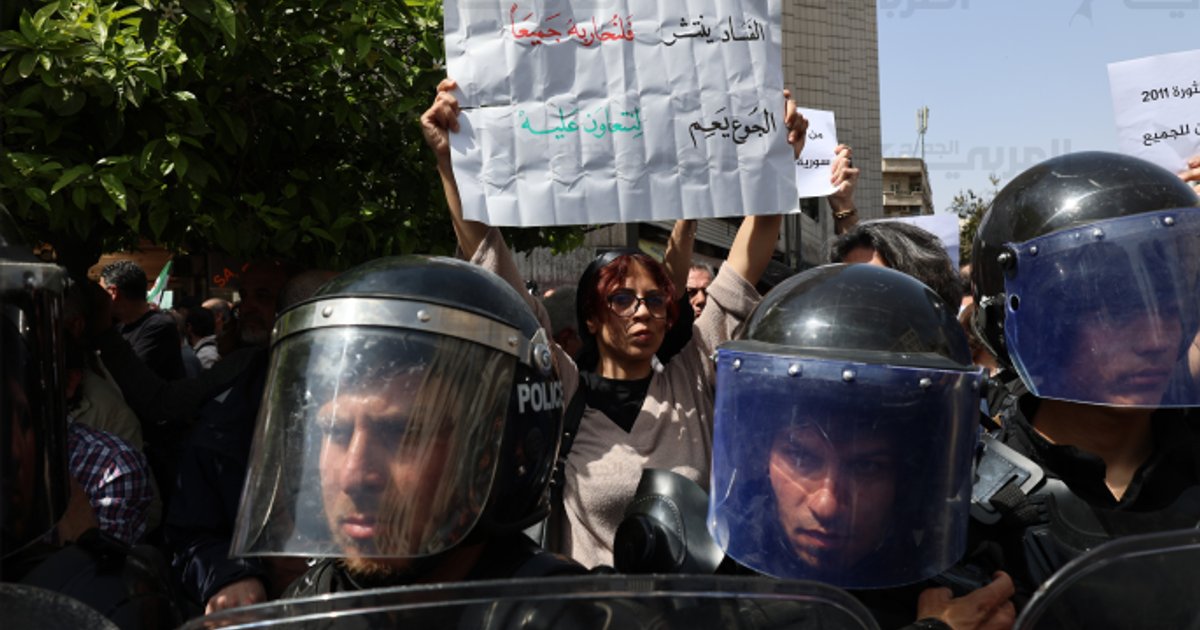
Discussions around the right to peaceful protest in Syria are reigniting, as this right is seen as a fundamental demand of the Syrian revolution, not merely a political luxury. The recent sit-in brings to mind the significance of this right in the context of public freedoms.
In the absence of a clear legal framework governing the right to protest, citizens face significant challenges in expressing their opinions and demands. This situation reflects the ongoing tensions in the country, as citizens strive to reclaim their basic rights that have been violated during years of conflict.
Details of the Recent Protests
Several areas in Syria witnessed peaceful sit-ins demanding freedom and justice, sparking widespread debate about the legitimacy of these movements under current laws. Many believe that the right to protest is an inherent right that should be recognized, while others argue that current circumstances impose restrictions on this right.
The recent sit-ins followed a period of relative calm, indicating that citizens remain steadfast in their demands despite difficult conditions. Reports have shown that these peaceful movements have faced varying responses from authorities, complicating the political landscape further.
Background & Context
Since the onset of the Syrian revolution in 2011, the right to peaceful protest has been one of the main demands of demonstrators. Over time, this right has been repeatedly violated, leading to a decline in public freedoms in the country. The lack of a legal framework that guarantees this right complicates the situation, as protests are sometimes considered a crime.
Historically, Syria experienced a degree of relative openness regarding freedoms before the revolution, but the subsequent events led to a significant regression in these freedoms. Today, citizens face considerable challenges in expressing their views, which underscores the importance of the discussion surrounding the right to protest.
Impact & Consequences
The impact of the absence of a legal framework on the right to protest extends to multiple areas, including politics, economics, and society. The failure to recognize this right can exacerbate social and economic conditions, as citizens feel frustrated by their inability to express their demands.
Moreover, the continuation of violations may lead to increased tensions within society, negatively affecting political stability. Ignoring citizens' demands could trigger renewed unrest, threatening security and stability in the country.
Regional Significance
The issue of the right to peaceful protest in Syria serves as a model reflecting the challenges faced by many Arab countries. Numerous nations suffer from a lack of public freedoms, highlighting the importance of this issue on a regional level.
What is happening in Syria may influence protest movements in other countries, as the Syrian experiences can inspire citizens in their own nations to demand their rights. The ongoing discussion about the right to protest could contribute to raising awareness of the importance of public freedoms in the region.
In conclusion, the right to peaceful protest remains a pivotal issue in Syria and should be recognized as an inherent right. Strengthening this right requires collective efforts from all stakeholders to ensure freedom of expression and political participation.