A year after President Donald Trump announced his tariff policy dubbed 'Liberation Day', global investors are reassessing America's exceptionalism. Shifts in financial markets indicate a decreasing reliance on U.S. returns.
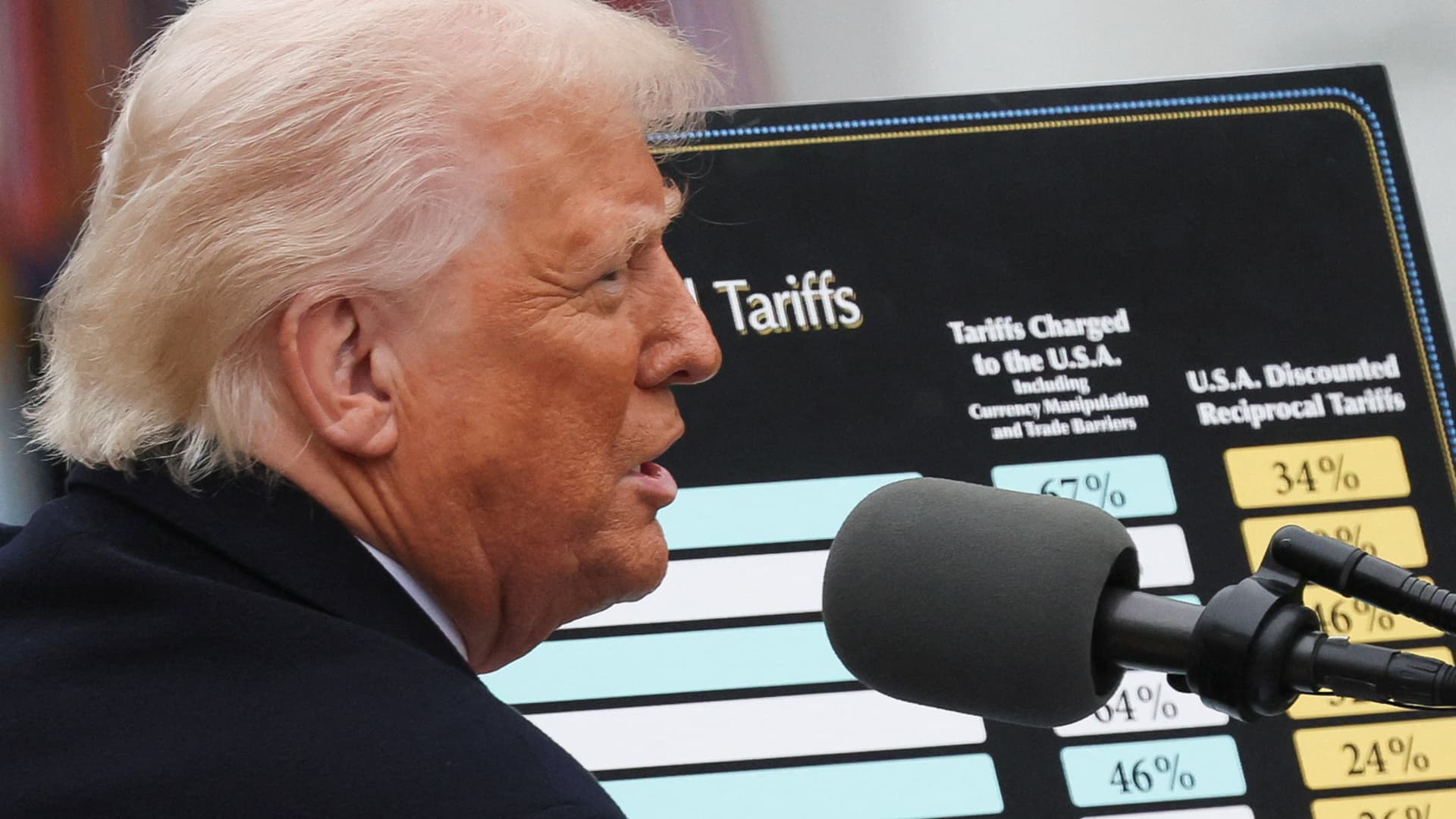
On April 2, 2025, Trump appeared in the White House Rose Garden to unveil a comprehensive list of tariffs on various countries, causing panic and volatility in global markets. These tariffs included 34% on Chinese goods, 20% on European goods, and 46% on Vietnamese goods, leading to a significant decline in U.S. stocks and the dollar.
Event Details
Over the past twelve months, U.S. assets have experienced additional volatility linked to Trump's unpredictable policies, resulting in the emergence of new trading trends such as ABUSA (Anywhere But the USA) and TACO (Trump Always Chickens Out). Some international markets, including indices from Brazil, the UK, and Japan, have outperformed the S&P 500, as investors, particularly from outside the U.S., sought to diversify their investments away from excessive reliance on U.S. returns.
Despite Washington signing a series of trade agreements that reduced tariffs on some key partners, the U.S. Supreme Court invalidated the tariff system in February, potentially leading the government to pay billions of dollars in compensation to importers who paid those tariffs.
Background & Context
Historically, the United States has been considered a major hub for global investment, known for its economic exceptionalism. However, Trump's policies, centered around the 'America First' principle, have significantly impacted this perception. These policies have led to increased defense and infrastructure spending in Europe, contributing to improved market valuations in European markets compared to the U.S. market.
Data from AJ Bell shows that indices such as the Shanghai Composite, the KOSPI in South Korea, and the Nikkei 225 in Japan have delivered better returns than all major Wall Street indices since 'Liberation Day'. Analysts have also noted a growing interest in global funds that exclude the U.S., reflecting investors' desire to seek new opportunities.
Impact & Consequences
It seems that investors are reassessing their investments in the United States, as concerns about harsh trade policies and military interventions in Latin America and the Middle East have increased. The challenges facing the independence of the U.S. Federal Reserve have also affected investor confidence. According to Ross Mould, investment director at AJ Bell, investors are beginning to think more carefully about how to allocate their capital in a post-'Liberation Day' world.
While the U.S. market has seen a recovery after the declines of 'Liberation Day', it is no longer the first-choice destination it once was. This indicates a shift in how investors evaluate investment opportunities in the U.S. compared to other markets.
Regional Significance
For the Arab region, these shifts in U.S. policies may impact foreign direct investment and trade. With an increasing focus on diversifying investments, Arab countries may seek to strengthen their economic partnerships with emerging markets such as India and Southeast Asia. Additionally, rising trade tensions could open new opportunities for Arab countries to boost their exports to new markets.
In conclusion, 'Liberation Day' appears to have caused a significant shift in how investors view the United States, highlighting the importance of diversification in investments and the search for new opportunities in global markets.