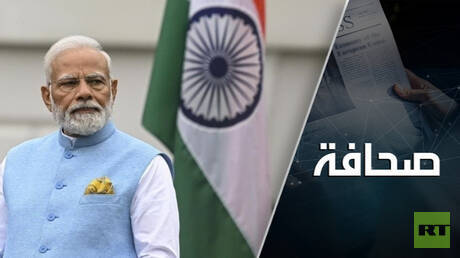
The repercussions of the energy crisis stemming from the war against Iran are intensifying, directly affecting India's policy and that of its neighbors. Amid rising tensions, India is striving to bolster its regional position and reclaim the influence it has lost in recent years.
India is one of the world's largest oil importers, and as crises escalate in the Middle East, the country faces substantial challenges in securing its energy needs. The Iranian war has led to a surge in global oil prices, exerting additional pressure on the Indian economy.
Details of the Situation
India is actively seeking to diversify its energy sources, initiating efforts to find new alternatives to reduce its reliance on Iranian oil. In this context, India is focusing on strengthening its relationships with countries such as Saudi Arabia and the UAE, while also exploring new opportunities in global energy markets.
Furthermore, India is working on developing renewable energy projects, aiming to achieve its ambitious goals in this sector. These steps are part of a comprehensive strategy aimed at enhancing energy security and reducing dependence on traditional energy sources.
Background & Context
Historically, India has heavily relied on Iranian oil, making this relationship a core aspect of its energy policy. With the escalation of geopolitical tensions, India has begun to reassess its energy strategy, leading to significant changes in its relationships with oil-producing nations.
It is noteworthy that India is not the only country facing these challenges, as many neighboring nations are also affected by the energy crisis. These new dynamics could result in shifts in regional and economic alliances.
Impact & Consequences
Reports predict that the energy crisis will have far-reaching effects on the Indian economy. Rising oil prices may lead to increased inflation, impacting citizens' purchasing power. Simultaneously, foreign investments in the country could be affected as investors seek to mitigate risks associated with energy stability.
Politically, this crisis may prompt changes in domestic policies, as the Indian government may need to take urgent measures to alleviate the effects of rising prices. These dynamics could also influence upcoming elections, as voters seek effective solutions to their economic problems.
Regional Significance
The energy crisis resulting from the Iranian war presents an opportunity for many Arab countries to strengthen their relations with India. As India seeks to diversify its sources, this crisis may open doors for economic cooperation between India and Arab nations, enhancing trade and investment ties.
Moreover, these dynamics could lead to changes in energy policies in the region, as Arab countries aim to enhance their role as a major energy supplier amid global shifts. These new relationships could foster regional stability and achieve mutual economic benefits.
In light of the increasing crises, India is looking to reshape its energy policy and enhance its regional influence. These new dynamics could significantly impact international relations in the region.