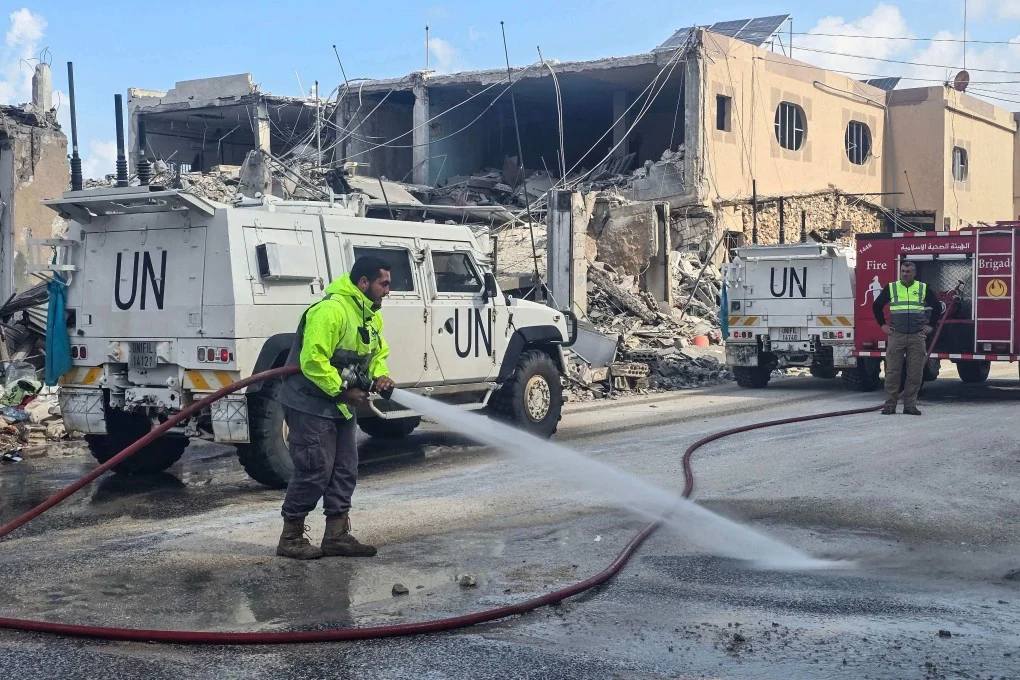
The killing of three Indonesian peacekeepers in southern Lebanon raises questions about Jakarta's foreign policy in the Middle East, as analysts and Indonesian lawmakers call for a reassessment of the country's role in the region. This incident, which occurred during a time of rising tensions in Lebanon, highlights the risks associated with military deployments in conflict zones.
This incident comes at a sensitive time, as Lebanon is suffering from a severe political and economic crisis, complicating the security situation further. Many observers have noted that this incident could lead to a comprehensive review of Indonesia's policy regarding the deployment of its forces abroad, especially in conflict areas such as Gaza.
Details of the Incident
In a tragic event, three Indonesian peacekeepers were killed in an attack targeting their position in southern Lebanon. The Indonesian government confirmed that the deceased were on a peacekeeping mission as part of the United Nations Interim Force in Lebanon (UNIFIL). This attack comes at a time when Lebanon is witnessing an escalation of violence, raising concerns about the safety of international forces.
The incident has sparked angry reactions from some Indonesian lawmakers who believe the government should reassess its military presence in Lebanon. One lawmaker stated, "This incident shows that diplomacy does not provide adequate protection amid escalating conflicts."
Background & Context
Historically, Indonesia has been among the countries participating in international peacekeeping missions, seeking to enhance its role as a supporter of peace and stability in conflict areas. However, recent events in Lebanon, including the rise in violence, raise questions about the effectiveness of these missions and their ability to protect soldiers.
Lebanon, which is grappling with multiple crises, including economic and political turmoil, has become a battleground for regional and international tensions. This has increased the risks faced by peacekeeping forces, making it essential to reconsider military deployment strategies.
Impact & Consequences
This incident serves as a wake-up call for countries involved in peacekeeping missions, highlighting the need for greater protection for troops deployed in conflict areas. Additionally, the incident may influence Indonesia's foreign policy, as it could lead to a reassessment of its role in the Middle East.
Furthermore, this incident may increase pressure on the Indonesian government to provide greater assurances for the safety of its forces, which could affect its future decisions regarding participation in international missions.
Regional Significance
This incident is part of the larger picture of ongoing crises in the Middle East, where the risks to international forces in conflict areas are increasing. Moreover, events in Lebanon may affect relations between Arab countries and Indonesia, as Arab nations may reconsider their cooperation with Indonesia in security and defense matters.
In conclusion, the killing of Indonesian soldiers in Lebanon underscores the urgent need to reassess military deployment strategies in conflict areas, which may impact Indonesia's foreign policy and its role in promoting peace in the region.