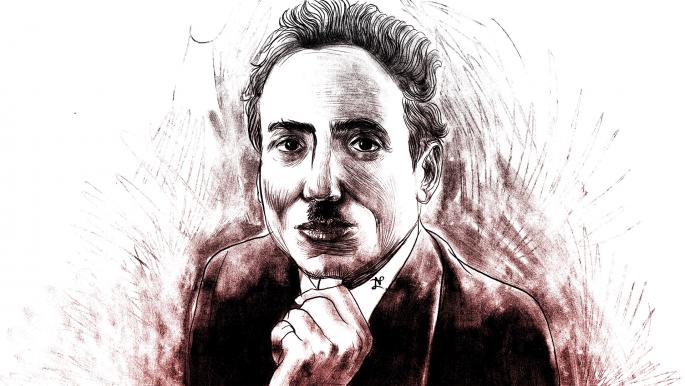
Sixty years after the passing of Egyptian musician Mohamed El Qasabgi (1892 - 1966), discussions about his artistic legacy remain ongoing. This debate is reflected in the varying opinions regarding his status in the history of Arabic music, where he is viewed both as a misunderstood genius who did not receive his due recognition and as an artist who left a rich mark on the world of music.
The works of El Qasabgi, which span several decades, embody the evolution of Arabic music in the twentieth century. He contributed to introducing new elements into Arabic songs, making him one of the most prominent composers of his time. However, many critics believe that his achievements have not been studied sufficiently, raising questions about how to evaluate the artistic legacy of artists in the Arab world.
Details of the Discussion
The renewed discussion about El Qasabgi comes at a time when the Arab artistic scene is witnessing an increasing interest in reevaluating musical heritage. El Qasabgi is considered one of the names that deserve more research and study, especially in light of the lack of serious criticism that addresses his works in depth. It is noteworthy that El Qasabgi played a prominent role in the development of modern Arabic song, having composed many famous songs that are still sung today.
Recent studies show that El Qasabgi had an advanced artistic vision, as he blended traditional and modern styles in his music. This fusion contributed to creating a new musical identity that reflects the social and cultural changes that Egypt experienced during that period.
Background & Context
Mohamed El Qasabgi was born in Cairo and began his artistic career in the early twentieth century. He was influenced by many musical schools, which helped him shape his unique style. During his active period, Egypt was an important cultural center, attracting many artists and intellectuals from various Arab countries.
The 1930s and 1940s are considered the peak of El Qasabgi's creativity, during which he collaborated with some of the most prominent singers of that time, such as Umm Kulthum and Abdel Halim Hafez. However, El Qasabgi was not confined to popular songs alone; he also composed many classical works that showcase the depth of his talent.
Impact & Consequences
Reevaluating the legacy of Mohamed El Qasabgi could lead to positive effects on the Arab artistic scene. This discussion may encourage critics and new artists to explore his works and learn from them, enriching the musical landscape. Additionally, recognizing his status could restore appreciation for many artists who have been overlooked in the history of Arabic music.
Moreover, focusing on El Qasabgi can inspire new generations of artists to explore Arabic musical heritage, enhancing cultural identity and contributing to the preservation of this heritage for future generations.
Regional Significance
The experience of El Qasabgi serves as a model to be emulated in many Arab countries, demonstrating how artists can have a profound impact on their communities through art. Reevaluating his legacy may encourage the promotion of arts and culture in the region, contributing to building bridges between different generations.
In conclusion, the memory of Mohamed El Qasabgi remains alive in the hearts of his admirers, and his works continue to influence musicians and listeners alike. The discussion surrounding his artistic legacy is a call for everyone to listen and reflect on what this misunderstood genius has contributed.