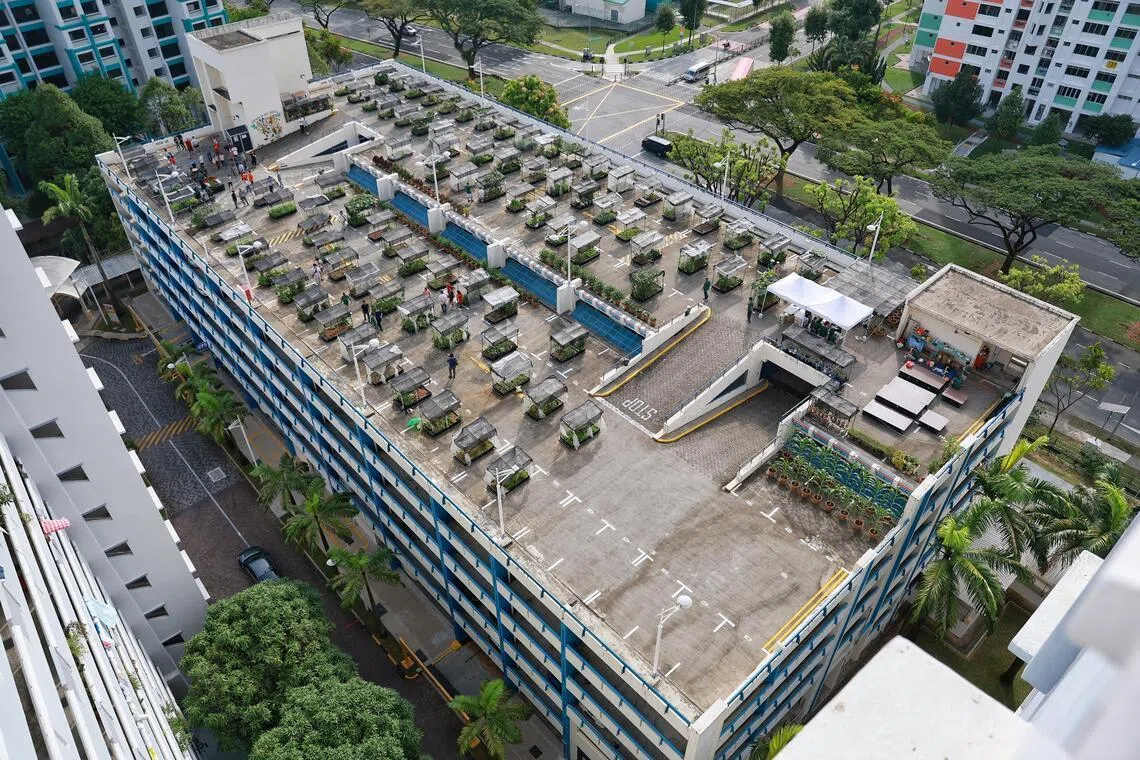
Singapore's Minister of Social Development, Sun Xueling, confirmed that the repurposing of parking spaces in new areas will be feasible after demand stabilizes. She explained that this step is part of the government's efforts to improve space utilization in urban areas, noting that it will take some time to clarify the actual demand for these facilities.
Sun Xueling stated that the government is closely monitoring demand levels for parking spaces in new areas, indicating that changes in lifestyle and urban development may affect the need for these facilities. She emphasized that the government is not concerned about losing income from parking spaces, as the goal is to achieve optimal use of available spaces.
Details of the Initiative
The minister's statements come at a time when Singapore is witnessing an increase in the number of new residential projects, necessitating a reassessment of how public spaces are utilized. Parking spaces are considered a fundamental aspect of urban planning, but with changing transportation patterns, it may become essential to rethink how these spaces are exploited.
The government aims to strike a balance between the need for parking spaces and the provision of green spaces and other public facilities. In this context, some parking areas may be converted into parks or recreational spaces, reflecting the shift towards more sustainable cities.
Background & Context
Historically, parking spaces have been viewed as a crucial element in urban planning, especially in major cities. However, changes in transportation patterns, including increased use of public transport and bicycles, have led to a reevaluation of how these spaces are used. In recent years, many cities around the world have begun redesigning parking areas to better meet community needs.
In Singapore, the government believes that urban planning must align with the changing needs of the population. Numerous projects have been implemented aimed at enhancing the quality of life in urban areas, including increasing green spaces and providing better public facilities.
Impact & Consequences
Repurposing parking spaces is seen as a positive step towards achieving sustainable development. By transforming these areas into public facilities, the government can enhance the quality of life in urban regions. This trend may also encourage the use of public transport, thereby reducing traffic congestion and pollution.
Moreover, improving the use of public spaces may increase property values in surrounding areas, benefiting the local economy. These initiatives could also inspire other cities in the region to adopt similar strategies for better urban planning.
Regional Significance
Many Arab cities face similar challenges in urban planning, as populations grow and the need for public facilities increases. Singapore's experience could serve as a model for Arab cities seeking to improve the quality of life for their citizens. By repurposing public spaces, Arab cities can create more sustainable and attractive urban environments.
In conclusion, the repurposing of parking spaces in Singapore represents an important step towards achieving more sustainable cities. This experience may inspire other countries, including Arab nations, to explore new ways to enhance urban planning and meet the needs of their populations.