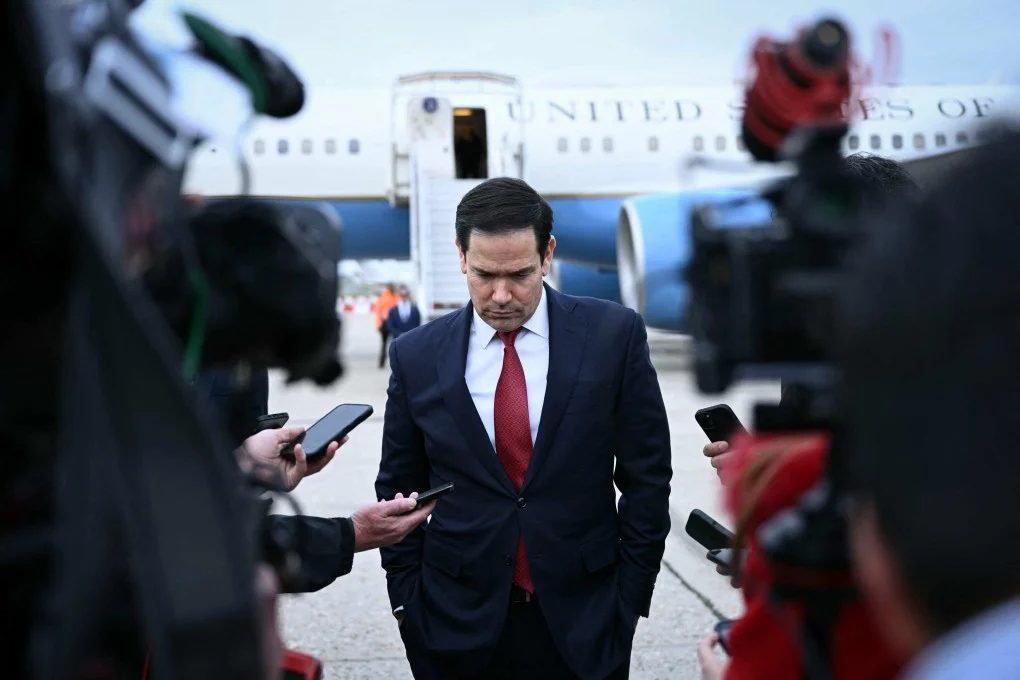
U.S. Secretary of State Marco Rubio indicated that the United States may reassess its relations with NATO after the conclusion of the war in Iran, expressing disappointment over the alliance's lack of support during the conflict in the Middle East. Rubio considered the insufficient support from NATO members during the conflict to be "disheartening."
Rubio also criticized NATO member countries for denying the United States access to their military bases, reflecting the deterioration of relations between Washington and its allies within the alliance. These remarks follow previous criticisms from former U.S. President Donald Trump, who described some NATO partners as "cowards" and labeled the alliance itself as a "paper tiger."
Details of the Event
Pressure is mounting on the United States to reconsider its military and diplomatic strategy amid escalating tensions in the Middle East, particularly following the ongoing conflict in Iran. Rubio noted that the United States needs to evaluate how effective NATO has been in providing support during critical times.
He added that the current U.S. President and his team will need to seriously consider how to engage with the alliance in the future, especially in light of the increasing security challenges faced by the United States and its allies.
Background & Context
The North Atlantic Treaty Organization (NATO) was established in 1949 as a military alliance aimed at enhancing collective security among member states. However, the alliance has faced significant challenges over the years, from the Cold War to conflicts in the Middle East. Tensions between the United States and European nations have impacted the effectiveness of the alliance, leading to increasing calls for a reassessment of its role.
The war in Iran, which began in recent years, has complicated the security situation in the region, as major powers compete for influence. In this context, military support from NATO is crucial, but the failure to provide such support could weaken relations between the United States and its allies.
Impact & Consequences
If the United States decides to reassess its relations with NATO, it could lead to significant changes in American foreign policy. These changes may affect the military balance in Europe and increase tensions between the United States and European nations.
Furthermore, any such move could encourage other countries to reconsider their alliances, potentially leading to the disintegration of traditional coalitions in the region. At the same time, countries like Russia could exploit these gaps to enhance their influence in the area.
Regional Significance
The relations between the United States and Arab nations are a crucial part of the American strategy in the Middle East. If a reassessment of relations with NATO leads to a decline in military support, it could impact the United States' ability to address security challenges in the region, including conflicts in Syria and Yemen.
Additionally, instability in relations between the United States and its allies could open the door for other countries, such as Iran, to strengthen their influence in the region, further complicating the security landscape.
In conclusion, U.S. relations with NATO remain a vital topic that requires careful monitoring, especially amid escalating tensions in the Middle East. A reassessment of these relations could lead to radical changes in American policy, affecting security and stability in the region.