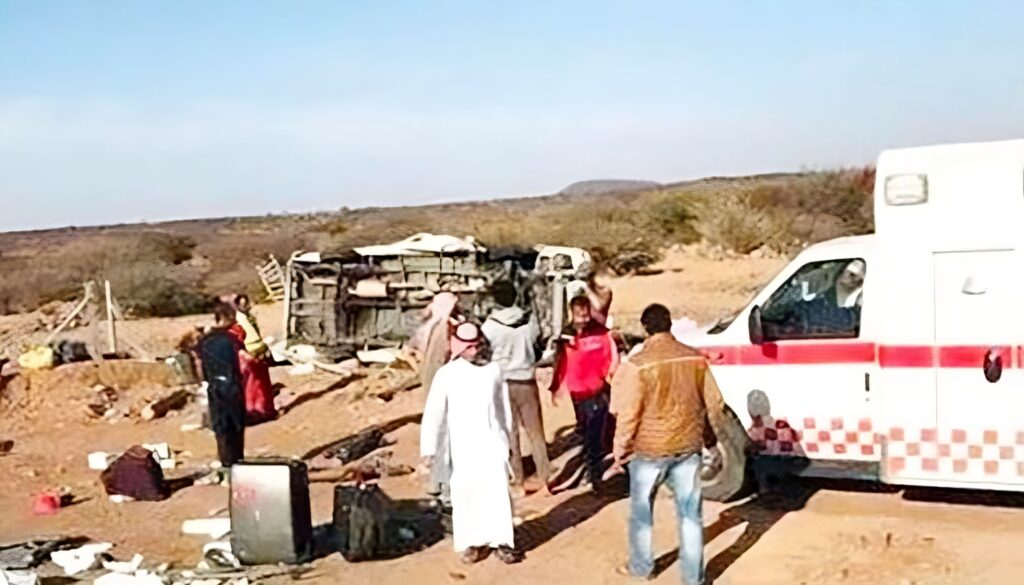
On Thursday, May 7, RS Bhayangkara Hospital in Palembang, Indonesia, received 11 DNA samples from the families of victims of the ALS bus accident that collided with a truck in the North Musi Rawas region. This tragic incident resulted in the deaths of several individuals, necessitating the urgent need to identify the victims through sample analysis.
At the time the samples were received, families of five other victims were still awaiting the completion of necessary sampling procedures to assist them in identifying their loved ones. These procedures are part of local authorities' efforts to provide support and assistance to the victims' families during this difficult time.
Details of the Incident
The tragic accident occurred in the North Musi Rawas region, where the ALS bus collided with a truck, leading to a significant number of casualties. The incident has sparked feelings of sadness and anger among local residents, who expressed their dissatisfaction with the recurring traffic accidents in the country. Local authorities have initiated a comprehensive investigation into the incident to determine the underlying causes.
Traffic accidents are a pressing issue in Indonesia, where the country records high rates of road incidents. The government has called for stringent measures to enhance road safety, including strengthening and more effectively enforcing traffic laws.
Background & Context
Historically, Indonesia has witnessed numerous tragic traffic accidents, prompting the government to take urgent actions to improve road safety. The roads in Indonesia, particularly in rural areas, are often inadequately maintained, increasing the risk of accidents. In recent years, there has been a rise in the number of accidents due to the increasing number of vehicles on the roads and non-compliance with traffic laws.
The Indonesian government is striving to improve road infrastructure and raise traffic awareness among drivers, but significant challenges remain in this area. The recent accident reflects the urgent need for more efforts to enhance road safety.
Impact & Consequences
The recent accident has significant implications for the local community, reflecting the failure to provide a safe environment for drivers and passengers. It also highlights the necessity to improve the public transportation system in Indonesia, as many citizens rely on public transport for their mobility.
This incident is expected to increase pressure on the government to implement radical changes in transportation and traffic safety policies. Such changes may include enhancing oversight of public transportation companies and imposing strict penalties on violators of traffic laws.
Regional Significance
Although the accident occurred in Indonesia, it carries important implications for Arab countries. The rise in traffic accidents in Arab nations also necessitates similar actions to improve road safety. Arab countries can benefit from Indonesia's experiences in addressing this issue by enhancing traffic awareness and improving infrastructure.
In conclusion, this incident serves as a painful reminder of the importance of road safety and the necessity to take effective measures to protect lives. Governments and communities must work together to ensure a safe environment for everyone.