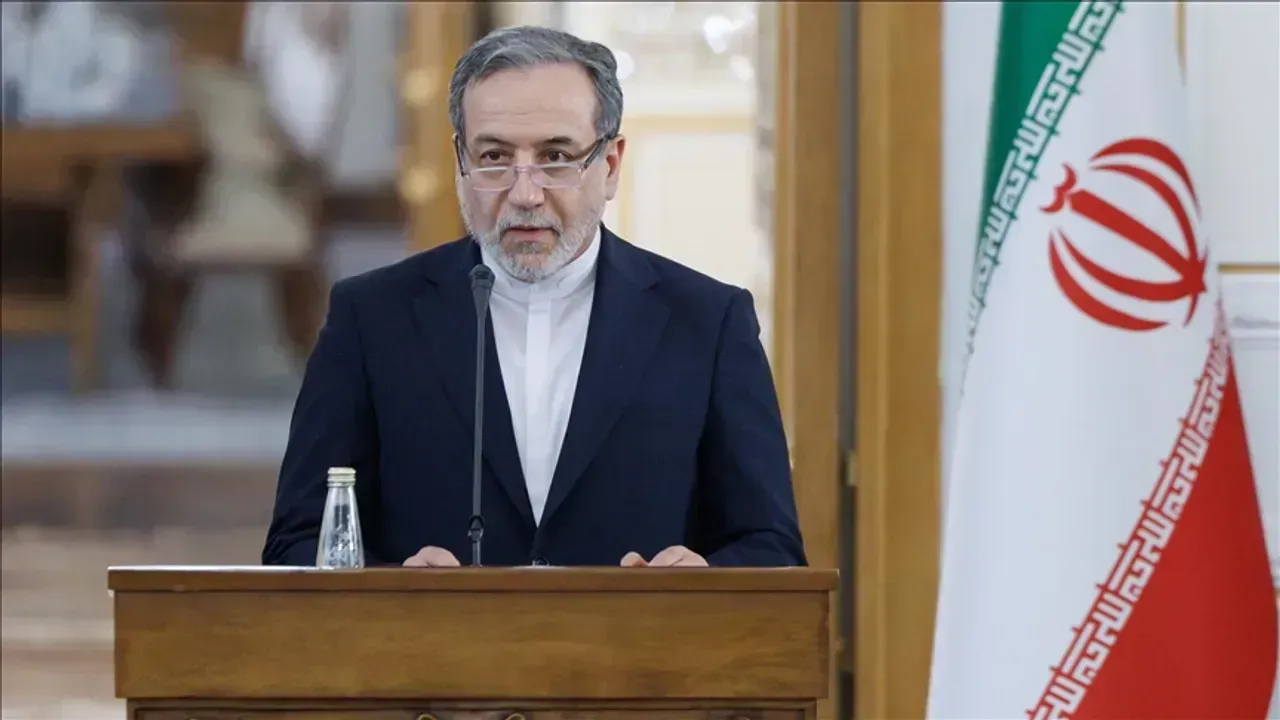
Iranian Foreign Minister Abbas Araghchi recently stated that he receives direct messages from US Special Envoy Steve Wietkoff, indicating that these messages do not necessarily mean that negotiations are underway between the two parties. Araghchi explained that some of these messages may contain threats or exchanges of views, which are conveyed through "friends."
These statements come at a sensitive time when relations between Iran and the United States are experiencing increasing tensions, as both sides seek to achieve their interests in the Middle East. The remarks have raised questions about the future of diplomatic relations between the two countries, especially in light of multiple regional challenges.
Details of the Event
During his remarks, Araghchi noted that the messages he receives from Wietkoff are not new, but reflect a state of distrust between the two sides. He also clarified that these messages may carry threats, complicating the existing situation further. Nevertheless, Araghchi emphasized that Iran does not view these messages as an invitation to negotiate.
This statement follows a period of escalating tensions in Iranian-American relations, where previous attempts to reach agreements regarding the Iranian nuclear program have not yielded tangible results. It seems that Iran is striving to maintain its firm stance in the face of American pressures.
Background & Context
Historically, relations between Iran and the United States have experienced numerous fluctuations, starting from the Islamic Revolution in 1979 to the economic sanctions imposed on Tehran in recent years. This background makes it difficult for both sides to reach lasting agreements, as suspicions about each other's intentions remain.
In recent years, the previous US administration under Donald Trump attempted to pressure Iran through strict sanctions, exacerbating conditions in the region. With the arrival of the Biden administration, there were hopes for a resumption of negotiations, yet recent statements from the Iranian side indicate that matters are not progressing in the desired direction.
Impact & Consequences
Araghchi's statements underscore that Iran remains steadfast in its rejection of American pressures, which could lead to an escalation of tensions in the region. This stance may affect regional stability, especially in light of other issues such as the conflicts in Syria and Yemen.
On the other hand, these statements could increase pressure on the United States to reassess its strategy towards Iran, especially with growing calls for dialogue instead of escalation. Furthermore, the continuation of these tensions may impact oil prices and global financial markets.
Regional Significance
The Iranian-American relations are pivotal in shaping the contours of stability in the Middle East. Any escalation in these relations could directly affect neighboring Arab countries, particularly those suffering from internal conflicts or tensions with Iran.
Moreover, the continuation of these conditions may lead to increased division among Arab states, as their positions towards Iran and the United States vary. Therefore, observers of regional politics are closely monitoring the developments of this issue.
In conclusion, Iranian-American relations remain in a state of ambiguity, where political and economic interests intertwine, making it difficult to predict their future trajectories.