The cultural debate in Europe reveals a paradox where Islam has been part of European identity for centuries, despite attempts by the far-right to portray it as an alien phenomenon. Islam's presence in Europe dates back to the 7th century, highlighting its deep historical roots and ongoing influence.
Amid the rise of populist right-wing rhetoric, Islam is often depicted as a foreign element linked to post-World War II migration waves, reflecting a deliberate loss of historical memory. This reductionism not only misreads history but also attempts to distort European identity, portraying Europe as a Christian-Jewish island that has only been visited by the 'other' as a heavy guest.
Details of the Historical Context
Researcher Tariq Hussein emphasizes in his book 'Muslim Europe' that Islam entered the European continent in 647 AD, just 16 years after the death of the Prophet Muhammad (peace be upon him). This means that Islam was present in Europe long before Christianity reached vast areas of Northern and Eastern Europe by centuries. From Cyprus to Sicily, Muslims established stable communities, contributing to the development of irrigation systems and improving living standards.
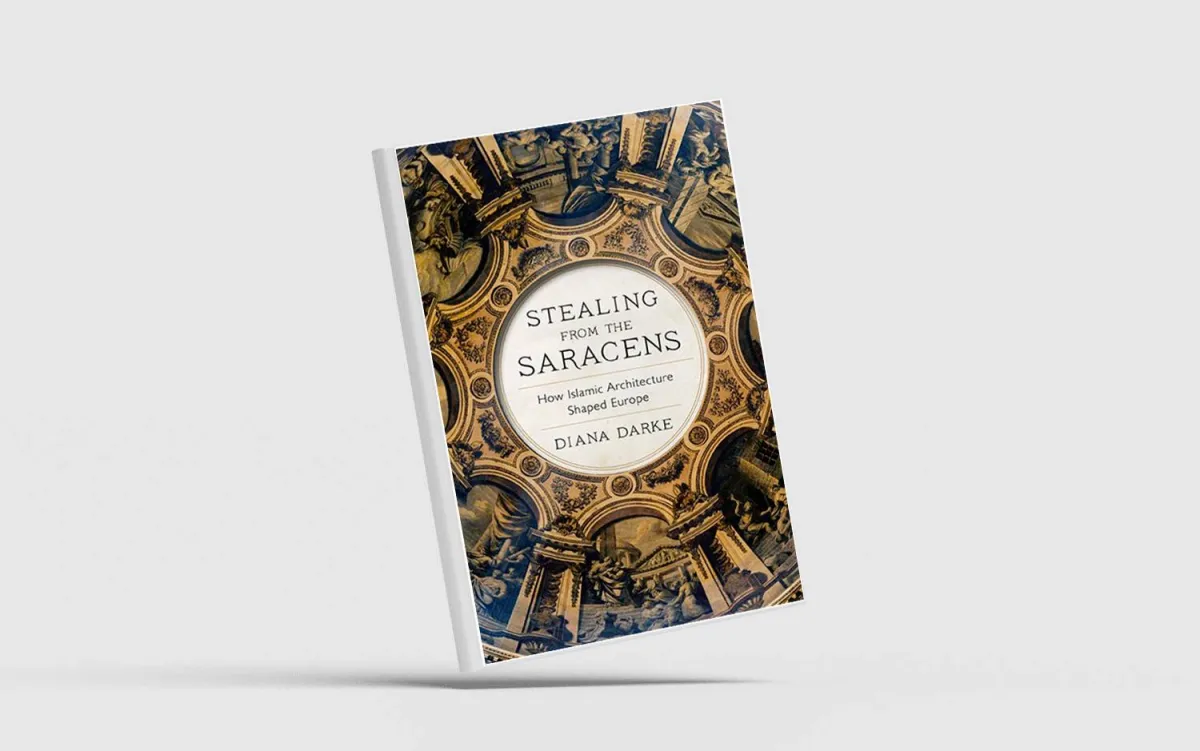
The Gothic architecture, exemplified by the cathedrals of Paris and London, serves as another testament to Islamic influence. Researcher Diana Dark notes in her book 'Stealing from the Saracens' that Gothic architecture is merely a reflection of Islamic architecture, as engineering techniques transitioned from Islamic cities to the European urban fabric.
Political and Legal Context
In political and legal discourse, Muslims are sometimes portrayed as 'pre-modern' beings, but historians like Emily Greble clarify that Muslims were original actors in shaping the concepts of citizenship and the modern state in Europe. Muslim communities in the Balkans contributed to the formation of the rights and democratic concepts that the West boasts about today.
The historical narrative transcends the ruins of Al-Andalus, as the current reality shows that Muslims represent a vital part of the European economy. In cities like Berlin, London, and Paris, Muslims contribute billions of euros to the GDP and are not merely migrants waiting for aid.
Muslim Contributions and Their Impact
Muslim contributions are evident across various fields, with scholars of Islamic descent at the forefront of innovation, such as the couple Özlem Türeci and Uğur Şahin, who developed the BioNTech vaccine against the coronavirus. Additionally, literary writing and visual arts have seen significant contributions from Muslim writers and creators, redefining contemporary European culture.
These contributions demonstrate that Muslims are not a burden on European welfare but are an integral part of the social and economic fabric. The crisis facing the European mind today is not a migration crisis but a crisis of self-definition, as the far-right seeks to exclude Muslims from European identity.
Implications for the Arab Region
This debate about European identity presents an opportunity for Arabs to gain a deeper understanding of their shared history with Europe. Recognizing Islam as part of European identity can contribute to enhancing cultural dialogue and cooperation between the Arab and European worlds.
In conclusion, history shows that Islam did not come to Europe as a guest but was part of its construction and identity. Ignoring this history is a denial of a part of the European self, necessitating a reconsideration of prevailing narratives regarding identity and cultural diversity.