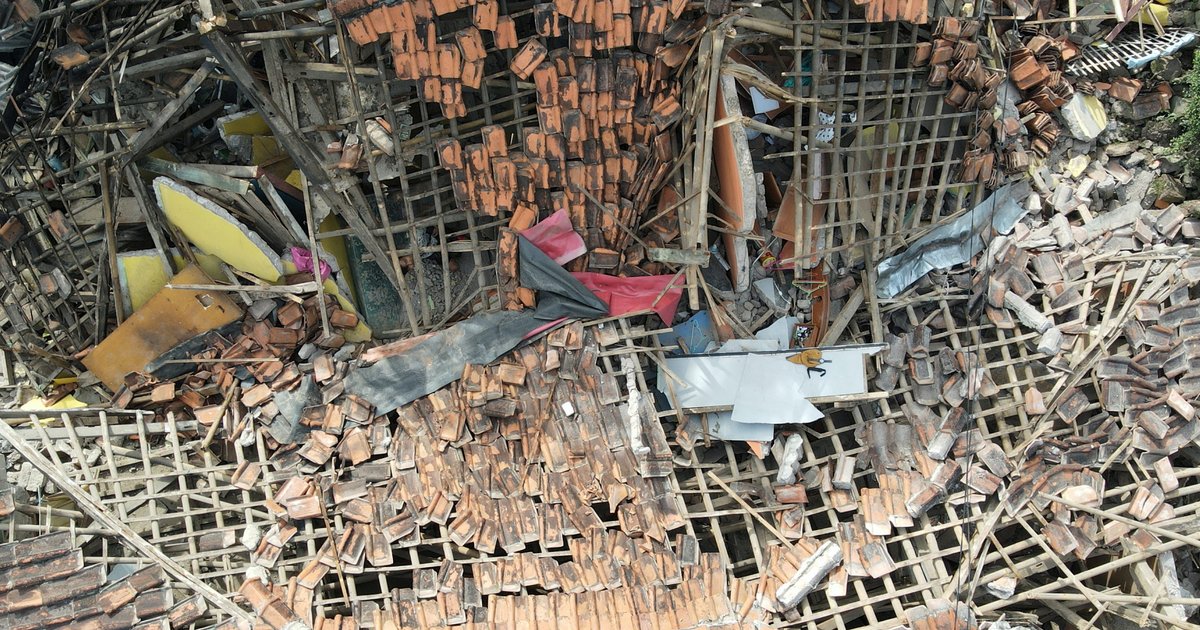
The Indonesian Meteorology, Climatology and Geophysics Agency (BMKG) has reported a total of 1,378 aftershocks following the main earthquake that occurred in North Maluku with a magnitude of 7.6 on April 2, 2026. These aftershocks are anticipated to persist for a duration ranging from two to three weeks before settling down completely.
Nelly Florida Riamah, Deputy Head of the Geophysics Division at BMKG, stated that 25 of these aftershocks were felt by the local population. Although the overall trend indicates a decrease in the number of aftershocks, the intensity of earthquakes during this period may vary, suggesting that tremors could continue to occur sporadically until conditions stabilize.
Details of the Event
Daily data has shown a significant decline in the number of aftershocks, with 394 recorded on the first day following the earthquake, dropping to 91 on the sixth day and 63 on the seventh day. These tremors are part of the energy release process resulting from the main earthquake, which is expected to diminish in the coming weeks.
The field survey team from BMKG, comprising specialists from various regions, continues to assess the damage in affected areas. Survey results indicated that the strongest tremor recorded reached a level of VII on the Mercalli scale in the Batang Dua Island area, consistent with the shaking map previously issued by the agency.
Background & Context
Historically, Indonesia is one of the most earthquake-prone countries due to its location on the Pacific Ring of Fire, where several tectonic plates converge. The country has experienced numerous devastating earthquakes in the past, prompting authorities to implement stringent preventive measures to enhance awareness and preparedness among the population.
In this context, early tsunami warnings were issued following the earthquake, with tsunami waves detected in some coastal areas, including a height of up to 0.75 meters in North Minahasa. These events resulted in one fatality and one injury, along with damage affecting 16 families in the Minahasa region.
Impact & Consequences
Such natural disasters necessitate a swift and effective response from local authorities, with BMKG providing support and assistance to those affected. Precise measurements are being conducted to determine the extent of areas vulnerable to landslides and other geological phenomena that may occur as a result of the earthquake.
These events serve as a reminder of the importance of disaster preparedness, as the Indonesian government seeks to enhance awareness and training programs for residents to ensure their safety in the future. These measures are crucial for minimizing potential damage in the event of future earthquakes.
Regional Significance
While Arab countries are not directly affected by these earthquakes, major natural events in regions like Indonesia raise concerns about disaster preparedness. These experiences can be beneficial for Arab nations facing various environmental challenges, such as floods and sandstorms, necessitating the development of effective strategies to handle crises.
In conclusion, a rapid and effective response to natural disasters is vital for protecting lives and property, and countries must learn from the experiences of others to strengthen their capacity to face future challenges.