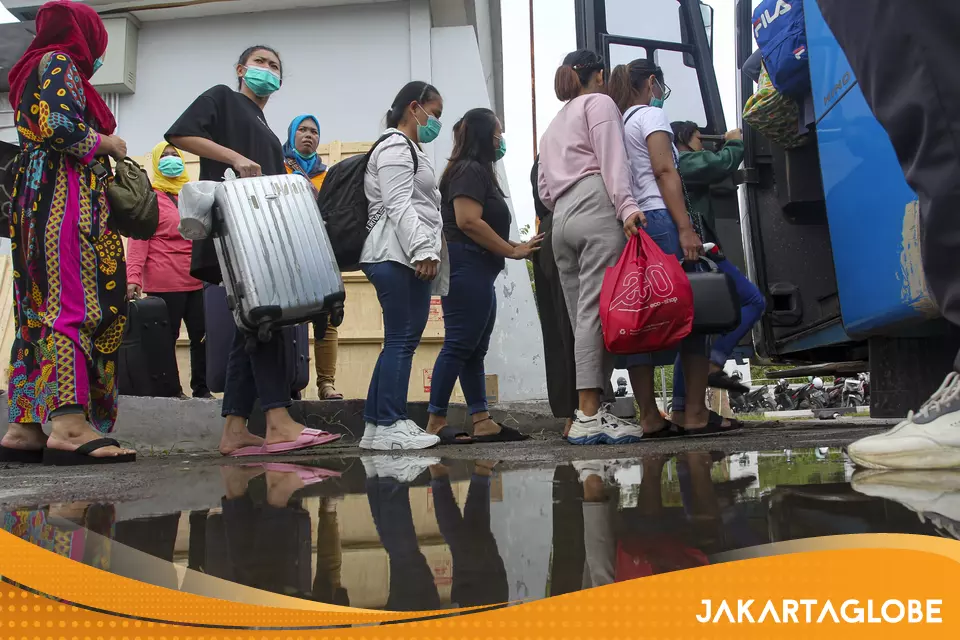
The Jakarta Population and Civil Registration Office reported on April 1, 2026, the entry of 1,776 new migrants into the Indonesian capital, with men representing 50.17% of the total number, while women accounted for 49.83%. These figures reflect the ongoing migration trend to Jakarta, especially following the Eid al-Fitr holiday.
The head of the Population Administration, Dini Wayo Haryanto, stated that most migrants belong to the productive age group, with individuals aged between 15 and 64 years making up 79.34% of the new migrants. This indicates an increase in the working population in the city, reflecting the dynamics of urban migration post-holidays.
Details of the Event
The Jakarta provincial government continues to implement awareness programs and field services for registering new migrants from April 1 to April 30, 2026, across all areas of the capital. These efforts aim to ensure organized population management in Jakarta, where all migrants, whether permanent or temporary residents, must register in civil records.
This procedure is in accordance with Law 23/2006 on population administration and its amendments, which requires residents to report demographic events such as migration, birth, and death. This measure is essential to ensure data accuracy and provide the necessary foundation for formulating social and economic policies.
Background & Context
Historically, Jakarta has experienced waves of internal migration due to the search for job opportunities and improved living standards. The city is a vital economic hub in Indonesia, attracting many people from various regions. This phenomenon is not new, but it significantly increases after every major holiday, putting additional pressure on infrastructure and public services.
The government aims to enhance population management through technology, having launched a dedicated data registration application accessible to neighborhood administrators. This application facilitates the registration process for migrants and helps maintain data accuracy.
Impact & Consequences
These figures indicate demographic changes occurring in Jakarta, which could affect the labor market and public services. With the increasing number of migrants, the government must enhance its services to meet the needs of the new population, which may require additional investments in infrastructure.
Moreover, the rising working population could boost the local economy, but it may also lead to challenges such as increased competition for jobs and housing. Therefore, the government needs to devise effective strategies to address these challenges.
Regional Significance
The phenomenon of migration to major cities is common among many countries, including Arab nations. Many Arab capitals also experience a continuous influx of migrants seeking better opportunities. Arab countries could benefit from Indonesia's experiences in managing migration and registration, which could help improve public services and alleviate pressure on infrastructure.
In conclusion, the registration of new migrants in Jakarta represents an important step towards improving population management and reflects the challenges and opportunities faced by major cities worldwide.