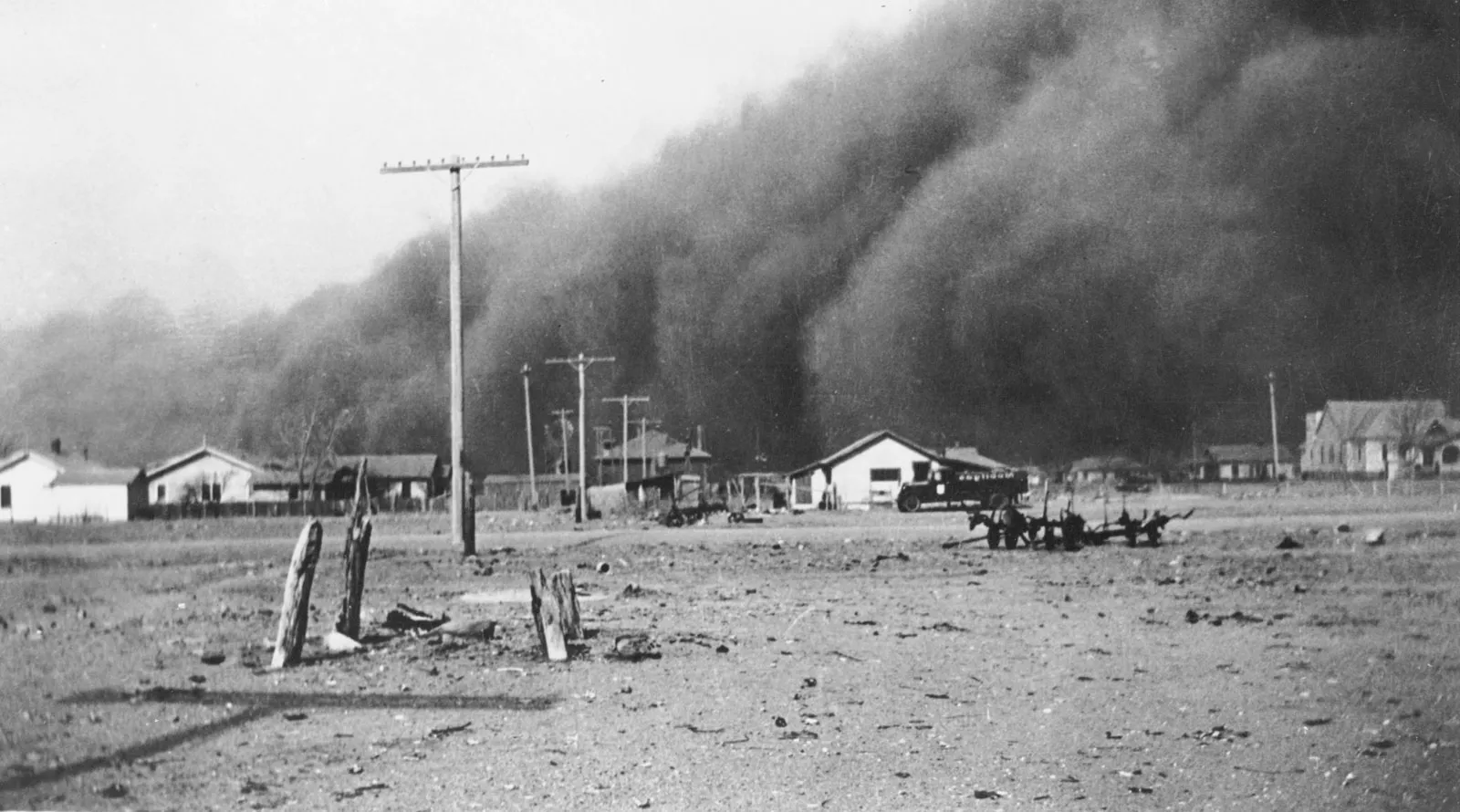
On May 6, 2026, the region experienced a total of 25 hours of dust events, leading to a deterioration in air quality and heightened health concerns among the population. While this climatic phenomenon is not new, its frequency in such a manner raises questions about climate change and its effects on the area.
Reports indicate that these dust events resulted in dangerously low visibility, affecting traffic and daily activities. Authorities issued warnings to residents to take necessary precautions, particularly for individuals with respiratory issues.
Details of the Event
The hours of dust were spread throughout the day, beginning in the early hours and continuing until the evening. Meteorological data revealed that wind speeds were elevated, contributing to the transport of dust from desert areas to residential zones.
This phenomenon is part of a recurring climatic pattern in the region, where the area is affected by climatic changes due to several factors, including urban expansion and unsustainable resource use.
Background & Context
Historically, the region has witnessed similar dust events; however, their increasing frequency in recent years is alarming. Climate change, which causes rising temperatures and shifts in wind patterns, is a primary factor behind these occurrences.
Moreover, human activities such as deforestation and urban expansion exacerbate this issue. Studies indicate that these activities increase the region's exposure to dust and sandstorms.
Impact & Consequences
The impact of dust events extends to public health, potentially leading to an increase in asthma cases and respiratory diseases. Additionally, the decline in air quality affects the daily lives of residents, limiting their activities and increasing healthcare costs.
Furthermore, these phenomena have repercussions on the local economy, significantly affecting agriculture and transportation. Farmers may face challenges in crop cultivation, leading to production shortages and rising prices.
Regional Significance
Dust events are part of a larger problem faced by many Arab countries, where other regions experience similar phenomena. These occurrences highlight the need for effective strategies to adapt to climate change.
Addressing these challenges requires regional and international cooperation to develop sustainable solutions. It is essential for governments to adopt policies aimed at protecting the environment and raising awareness about the importance of conserving natural resources.
The recurrence of dust events in the region underscores the urgency of taking immediate action to address climate change. A comprehensive response involving all stakeholders is necessary to ensure the health and safety of the population.