In March, Gaza recorded a total of 2890 newborns against only 190 deaths, highlighting the resilience of the population in the face of challenging conditions. This statistic reflects the ongoing struggle for life despite the harsh realities faced by the residents.
According to an official statistic released by the General Administration of Civil Status at the Palestinian Ministry of Interior, the number of male births reached 1474, accounting for 51%, while the number of female births was 1416, making up 49%. This means that the birth rate in Gaza is approximately 93 births per day, indicating a strong demographic dynamic despite the challenges.
Details of the Event
The newborns were distributed across various governorates of the Gaza Strip, with the Gaza Directorate leading the list with 1205 births, followed by the North Directorate with 512 births, then the Central Governorate with 438, Khan Younis with 395, and finally Rafah with 340 births. Regarding deaths, the Civil Status offices recorded 190 cases, including 124 males, which is 65.26%, and 66 females, accounting for 34.74%.
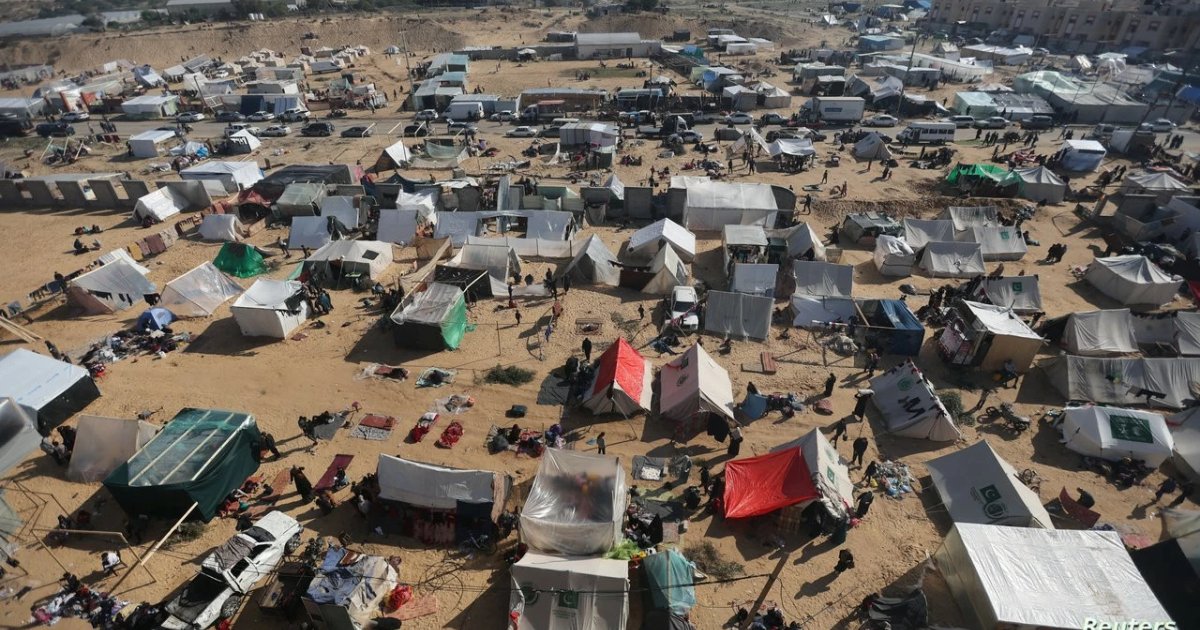
These figures come amid ongoing intermittent escalation in the region, with increasing warnings from international humanitarian organizations about the worsening health and living conditions due to repeated targeting of civilian areas and destruction of infrastructure, including hospitals and health centers.
Background & Context
The residents of Gaza, who number over two million, have lived under a tight blockade for many years, significantly affecting their living and health conditions. Despite international reports indicating a relative decline in birth rates during periods of severe escalation due to abortion, premature births, and deterioration of reproductive health care, March witnessed a notable continuation of new births.
Similar previous statistics indicate that Gaza recorded over 3000 births in some previous months, reflecting relatively high fertility rates compared to other countries in the region, even in the most difficult circumstances. This demographic dynamic reflects the residents' determination to live and reproduce in the face of challenges.
Impact & Consequences
These figures serve as an indicator of the Palestinian community's ability in Gaza to adapt to harsh conditions, as residents strive to maintain the continuity of life despite significant challenges. The continued registration of large numbers of births reflects hope and optimism among the population, despite the difficult circumstances they endure.
However, the deteriorating health and living conditions may affect families' ability to provide the necessary care for newborns, necessitating urgent intervention from humanitarian and international organizations to improve conditions in the sector.
Regional Significance
The situation in Gaza represents a unique case that reflects the challenges faced by many communities in the Arab region. The continued registration of large numbers of births under harsh conditions highlights the importance of humanitarian support and sustainable development in conflict-affected areas.
Moreover, the figures underscore the urgent need to provide health care and essential services to the population, requiring greater international cooperation to support Gaza in facing recurring crises.
In conclusion, Gaza remains a symbol of resilience and challenge, as its residents continue to confront difficulties with strong will, reflecting an indomitable spirit of life.