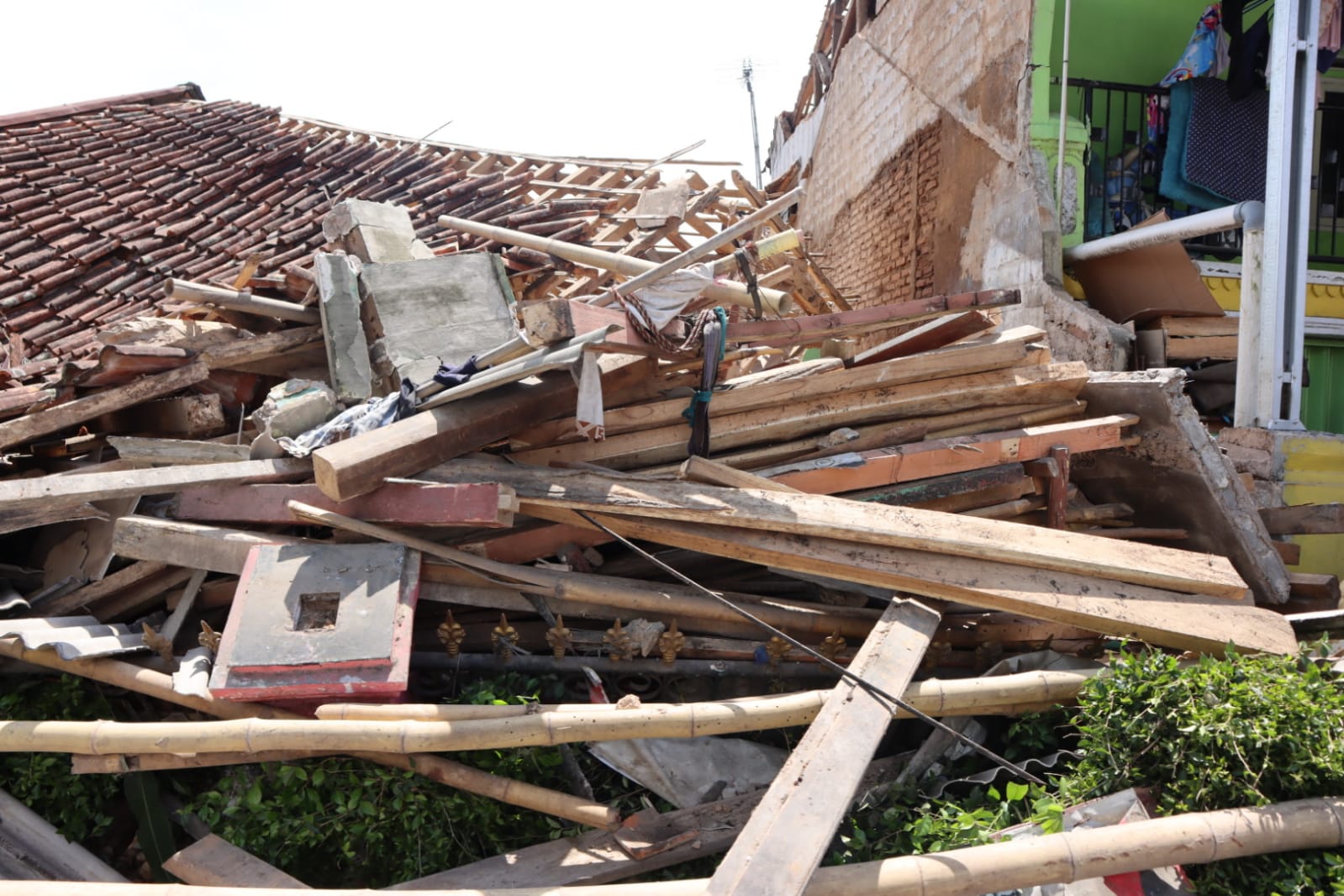
The Indonesian Meteorology, Climatology and Geophysics Agency (BMKG) reported a total of 29 aftershocks following the main earthquake that occurred on Thursday morning in the Ternate region, located in North Maluku. The main earthquake struck the area at 05:48 local time, registering a magnitude of 7.6 on the Richter scale.
According to statements from Mohammad Zulkifli, data and information coordinator at the geophysics station in Manado, the subsequent tremors ranged in magnitude from 3.1 to 5.5. Zulkifli confirmed that these aftershocks are a natural phenomenon that occurs following major earthquakes, necessitating caution among local residents.
Details of the Event
The main earthquake occurred in an area located 129 kilometers southeast of the city of Bitung, at a depth of 33 kilometers below sea level. This earthquake raised significant concern among residents, especially after warnings of a potential tsunami, as local authorities issued alerts regarding the possibility of small tsunami waves.
It is noteworthy that the earthquake was strongly felt in the city of Manado, where many residents reported feeling the tremors. Some minor damage to buildings was recorded, but no serious injuries have been reported so far. Local authorities have also taken precautionary measures to ensure the safety of citizens.
Background & Context
Indonesia is situated on what is known as the "Ring of Fire" in the Pacific Ocean, an area notorious for high seismic activity. Historically, Indonesia has experienced numerous powerful earthquakes, including the devastating earthquake that struck Sumatra in 2004, which led to a horrific tsunami. This context underscores the importance of a swift and effective response from authorities in the face of any earthquake.
In recent years, the Indonesian government has enhanced early warning systems and public awareness regarding the risks of earthquakes and tsunamis, which has helped mitigate potential damage. However, the need for vigilance remains ongoing, especially in vulnerable areas.
Impact & Consequences
Aftershocks following major earthquakes are indicators of ongoing seismic activity, prompting local residents to take necessary precautions. These events can affect the daily lives of residents, including impacts on businesses and transportation.
Earthquakes may also influence tourism in the region, as Indonesia is a popular tourist destination. Any reports of earthquakes can negatively affect tourist inflow, impacting the local economy.
Regional Significance
While earthquakes in Indonesia may seem distant from the Arab region, there are lessons to be learned. Preparedness and rapid response to natural disasters are vital, especially in areas like the Middle East that may face earthquakes or other natural disasters.
These events serve as a reminder of the importance of international cooperation in disaster response, where Arab countries can learn from Indonesia's experiences in strengthening early warning systems and public awareness.