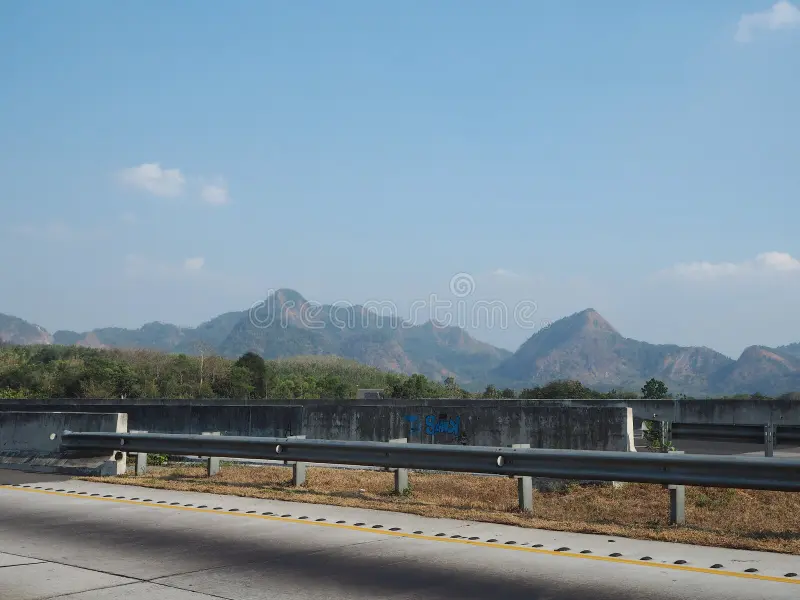
The Cipali Road management in Indonesia recorded approximately 33,000 vehicles heading towards the capital Jakarta during 11 hours on Sunday, which marked the return of travelers after the Eid al-Fitr celebrations. These figures reflect a significant increase of 10% compared to the same period the previous day, where around 3,000 vehicles were recorded per hour.
According to statements from Ardam Raviv Tresilo, Head of the Sustainability and Corporate Communications Department at Astra Cipali Road, traffic was smooth in both directions on the highway. Additional measures were taken to ensure the safety and comfort of drivers, including the provision of free operational services around the clock.
Event Details
From midnight until 11 AM, the passage of 33,000 vehicles was recorded, indicating the heavy congestion on the road during the return period from the Eid al-Fitr holiday. A total of 10 patrol units, 12 towing units, 7 additional towing units, 6 rescue units, and 5 ambulance units were deployed on the road to ensure the safety of travelers.
The road management urged drivers to adhere to traffic signals and staff directives, and to avoid changing lanes or making U-turns during the implementation of the one-way traffic system. If drivers needed to change lanes, they were advised to exit at the nearest toll point and re-enter the road without incurring any additional fees.
Background & Context
The Eid al-Fitr period is one of the busiest times on the roads in Indonesia, as many people travel from major cities to villages to spend the holiday with their families. In recent years, there has been an increase in the number of vehicles on the roads, prompting authorities to implement special measures to alleviate congestion and ensure the safety of travelers.
Historically, Indonesia has faced significant challenges in managing traffic, especially during religious and national events. With the growing population and increasing number of vehicles, the need to improve infrastructure and provide effective traffic services has become more urgent.
Impact & Consequences
These figures highlight the importance of effective planning for traffic management during peak periods. An increase in the number of vehicles also means a higher likelihood of accidents, necessitating preventive measures to ensure everyone's safety. The provision of emergency and ambulance services reflects the authorities' commitment to improving the travel experience for citizens.
The success of traffic management during these periods can serve as a model for other countries facing similar traffic management issues. These experiences can contribute to the development of new strategies to improve infrastructure and reduce congestion.
Regional Significance
Traffic management during major events is also a concern for many Arab countries, which experience significant congestion during pilgrimage seasons and holidays. Lessons learned from Indonesia's experience can be applied in Arab countries to improve traffic management and alleviate congestion.
In conclusion, enhancing traffic management during peak periods is essential to ensure the safety of travelers and facilitate their movement. Countries must adopt effective strategies to address these challenges, contributing to an improved quality of life for citizens.