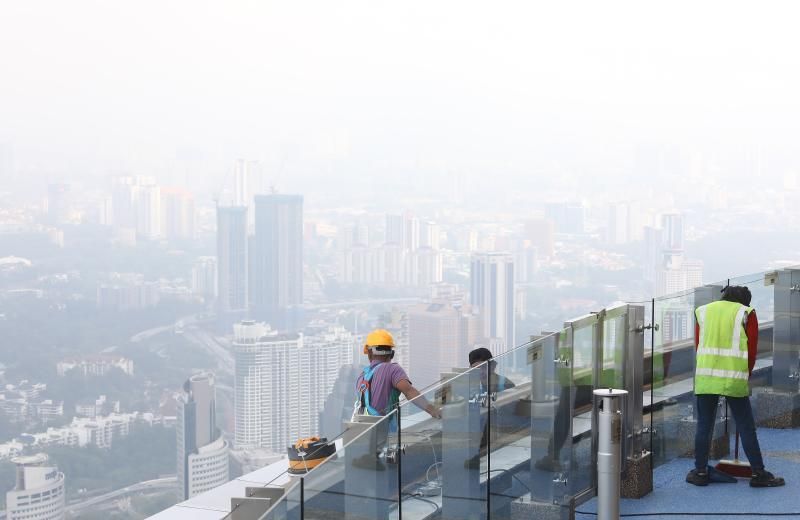
Air quality in the Malaysian state of Sarawak has experienced a notable increase in the Air Pollution Index (API), with data showing that 17 areas within the state have recorded moderate pollution levels, while only one area has maintained a good rating. This shift in air quality is causing concern among local residents, especially given the rising public health concerns.
This increase in pollution levels comes at a sensitive time, as the world grapples with the effects of climate change and environmental pollution. Reports indicate that pollution in Sarawak has gradually risen, necessitating urgent action from local authorities to safeguard the health of citizens.
Details of the Incident
According to data released by environmental authorities in Sarawak, 17 areas have been recorded with moderate pollution levels, indicating that air quality in these regions may be harmful to sensitive groups within the population, such as children and the elderly. In contrast, only one area has continued to maintain good air quality, reflecting disparities in environmental conditions across different regions.
The areas that recorded moderate pollution levels include urban and industrial zones, where industrial activities and transportation contribute to increased emissions of pollutants. Experts have noted that this rise may also be linked to the dry season experienced in the region, which increases the concentration of pollutants in the air.
Background & Context
Historically, Sarawak has faced challenges related to air quality, particularly amid increasing industrial activity and urban expansion. In recent years, there have been efforts by the government to improve air quality, including the implementation of policies aimed at reducing emissions and promoting the use of clean transportation.
However, challenges remain, as climate change and human activities continue to exacerbate the air pollution problem. In this context, Sarawak serves as an example of how environmental changes impact quality of life, necessitating immediate action from both the government and the community.
Impact & Consequences
The rise in air pollution levels in Sarawak serves as a wake-up call for local authorities, as pollution can lead to serious health issues, including respiratory diseases and heart conditions. Doctors have warned that continuous exposure to moderate pollution levels may increase the risk of chronic diseases.
Moreover, the deterioration of air quality could negatively impact the local economy, potentially leading to a decline in tourism and an increase in healthcare costs. Therefore, addressing this issue requires investments in environmental infrastructure and raising public awareness about the importance of maintaining air quality.
Regional Significance
Air pollution is a global issue that affects all countries, including Arab nations. Many Arab cities suffer from high pollution levels, threatening the health of residents and impacting quality of life. Thus, the experiences and lessons learned from Sarawak could be beneficial for Arab countries facing similar challenges.
In conclusion, the current situation in Sarawak demands urgent action from local authorities and the community as a whole to maintain air quality and ensure the health of citizens. Addressing environmental pollution challenges requires international cooperation and the exchange of expertise among countries to effectively tackle this phenomenon.