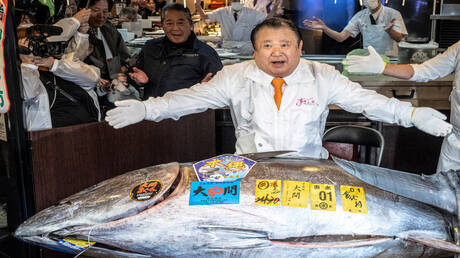
A major sushi restaurant chain in Japan has entered the Guinness World Records after purchasing the most expensive tuna ever, valued at ¥510.3 million, equivalent to approximately $3.2 million. This event reflects the increasing trend of investing large sums of money in the seafood sector, especially in Japan, known for its rich sushi culture.
Tuna is considered a valuable species in the seafood world, widely used in sushi preparation. This purchase has garnered extensive media attention, serving as evidence of the rising demand for this type of fish in global markets.
Details of the Purchase Event
The purchase took place at a special auction, where several restaurants competed to acquire this unique fish. The owner of the winning restaurant expressed great happiness about this achievement, noting that this fish will add significant value to his restaurant's menu.
This deal is one of the largest transactions in the history of the seafood trade, reflecting the high value that some rare fish species can reach. The event has raised questions about the future of fish trading and its environmental impact.
Background & Context
Historically, Japan has been known for its great appreciation of tuna, with its consumption being part of the culinary culture. As the demand for sushi has increased globally, tuna prices have risen significantly, making it one of the most expensive types of fish in the markets.
In recent years, the fish trade has undergone significant changes, with a greater focus on sustainability and protecting endangered species. However, some species, such as tuna, continue to be sold at astronomical prices at auctions.
Impact & Consequences
This transaction may lead to increased awareness about the importance of sustainability in the fish trade. It could also encourage other restaurants to invest more money in purchasing rare fish species, potentially affecting market prices overall.
Furthermore, this deal may increase pressure on endangered species, necessitating measures to protect these species and ensure their sustainability in the future.
Regional Significance
Although this event occurred in Japan, it has potential implications for the Arab market. Rising tuna prices may lead to increased import costs for Arab countries, affecting restaurants that serve sushi and seafood.
This event may also spark greater interest in the region regarding sushi culture, potentially leading to increased demand for seafood in Arab countries.
In conclusion, the entry of the most expensive tuna in history into the Guinness World Records reflects the growing trends of investing money in the seafood sector and raises questions about the future of fish trading and its environmental impact.