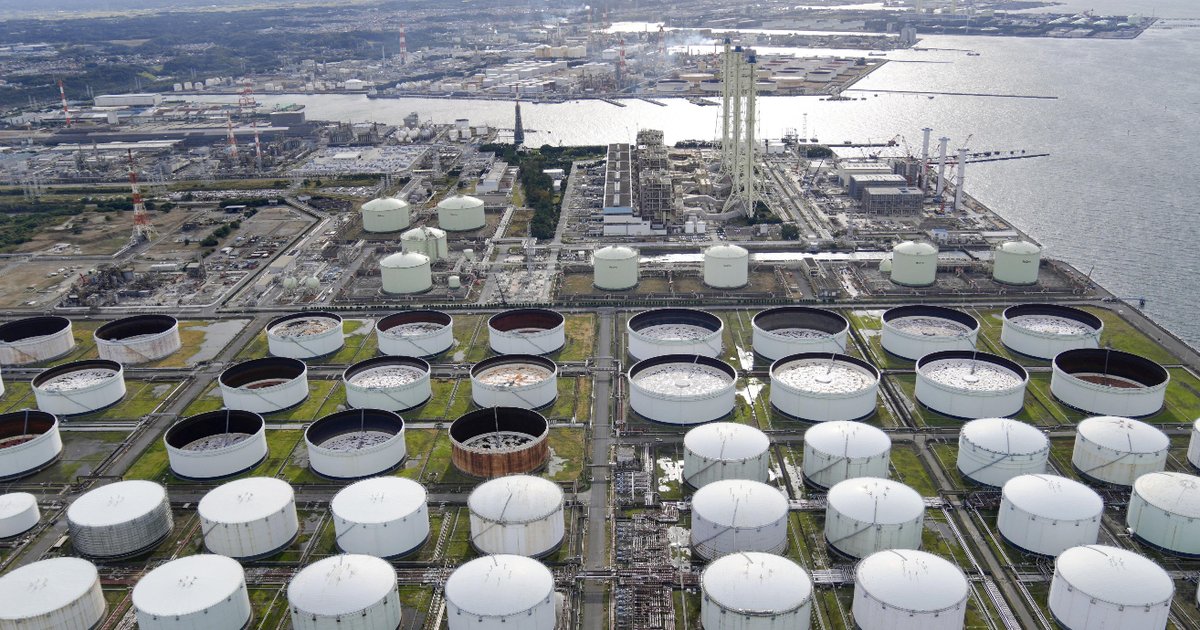
The global energy market is facing an unprecedented crisis as oil inventories have plummeted to record lows due to ongoing disruptions in the Gulf region and the closure of the Strait of Hormuz. According to Bloomberg reports, energy sector analysts have confirmed that the pace of inventory withdrawal has reached levels exceeding previous historical shocks, including the oil embargo crisis of 1973.
Inventories recorded a decline of 6.6 million barrels per day during April, marking the fastest monthly drop recorded in modern history. Despite a significant decline in global demand of about 5 million barrels per day due to sharp price increases, the loss of supplies ranging from 10 to 11 million barrels per day has left a massive gap that countries can only fill by drawing from their strategic reserves.
Details of the Event
Global inventories have approached the "operational minimum," with total global reserves covering needs for only 101 days, amid warnings of breaching the 100-day threshold by the end of May. The primary reason for this inventory bleed is the near-total halt of tanker movements through the Strait of Hormuz, which accounts for about 20% of global oil consumption.
As the Gulf region turns into a military operational theater, shipping companies have been forced to reroute or suspend their voyages, cutting off the "lifeline" to major refineries in Asia and Europe. This situation threatens to exacerbate the global energy crisis and lead to unprecedented oil price increases.
Background & Context
Historically, oil markets have experienced numerous crises that affected supplies and prices; however, the current situation is markedly different. The ongoing events in the Gulf region, which include military and political tensions, significantly contribute to the worsening of this crisis. The closure of the Strait of Hormuz, considered a vital transit point for oil, complicates the situation and impacts global economic stability.
In recent years, there have been multiple attempts by oil-producing countries to stabilize the market, but political and military crises often hinder these efforts. With these disruptions continuing, immediate solutions seem unavailable.
Impact & Consequences
The repercussions of this decline in inventories extend beyond oil prices, potentially leading to increased inflation in many countries. Rising energy prices directly affect transportation and production costs, negatively impacting global economies.
Moreover, oil-importing countries will face greater challenges in securing their needs, which may lead to increased reliance on strategic reserves. This situation could create additional tensions between producing and consuming countries, further increasing market instability.
Regional Significance
For Arab countries, this crisis represents a significant challenge, as many of these nations rely on oil revenues to finance their budgets. While rising prices may contribute to increased revenues for some countries, political tensions could lead to greater instability in the region.
At the same time, Arab countries must consider alternative strategies to reduce dependence on oil, especially in light of climate changes and international pressure towards clean energy. Investing in renewable energy sources may provide a sustainable solution to face these future challenges.