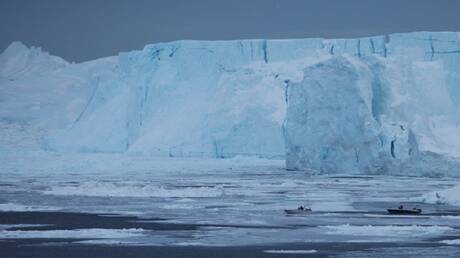
The World Meteorological Organization has reported an unprecedented decline in glaciers in Iceland and along the Pacific coast of North America during 2025. This decline reflects the worsening climate change crisis that increasingly affects the global environment.
Reports indicate that this phenomenon has never occurred before, with glaciers in Iceland losing a significant percentage of their mass, threatening the local ecosystem and impacting sea levels in the region. This glacial retreat also mirrors global trends in rising temperatures, which are reaching record levels in many areas around the world.
Event Details
According to data collected by the World Meteorological Organization, Iceland alone lost approximately 10% of its glacial mass over the past year. This figure is alarming, as it represents one of the highest recorded rates in the country's history. Similarly, the Pacific coast has experienced a comparable decline, with sea ice eroding significantly, affecting marine life and natural resources in the area.
The organization confirmed that this retreat is not merely a transient phenomenon but rather a result of ongoing climatic changes causing global temperatures to rise. Studies have shown that ice in polar regions is shrinking at a faster rate than previously expected, increasing the risks associated with rising sea levels.
Background & Context
Historically, Iceland has witnessed notable climatic changes, where glaciers have been a fundamental part of the country's ecosystem. However, recent decades have seen radical changes due to global warming. Scientists warn that the continuation of this trend could lead to severe consequences for the environment and local communities.
In recent years, numerous extreme weather events have been recorded in the region, such as floods and droughts, reflecting the impacts of climate change. Additionally, changes in glacial masses directly affect wildlife, including endangered species that rely on ice as a habitat.
Impact & Consequences
The glacial retreat in Iceland and the Pacific coast carries serious implications for the environment and local communities. Rising sea levels could threaten coastal areas, necessitating urgent action to protect these regions. Furthermore, the loss of ice impacts marine ecosystems, leading to the degradation of marine life and threatening food chains.
Moreover, this retreat may influence global climate, as ice acts as a thermal barrier. The loss of ice means increased heat absorption by the oceans, leading to faster temperature rises. This dynamic could exacerbate climate change on a global scale.
Regional Significance
Despite the geographical distance between the Arab region and Iceland and the Pacific coast, the effects of climate change know no borders. Rising sea levels could impact Arab coastal nations, such as Egypt and Lebanon, threatening local communities and economies. Additionally, climatic changes may lead to increased instances of drought and flooding in the region, requiring urgent responses from governments.
Understanding and addressing these climatic phenomena is essential to ensure environmental sustainability in the Arab region. Arab countries must enhance regional and international cooperation to tackle climate challenges and work on developing effective strategies to adapt to climate changes.