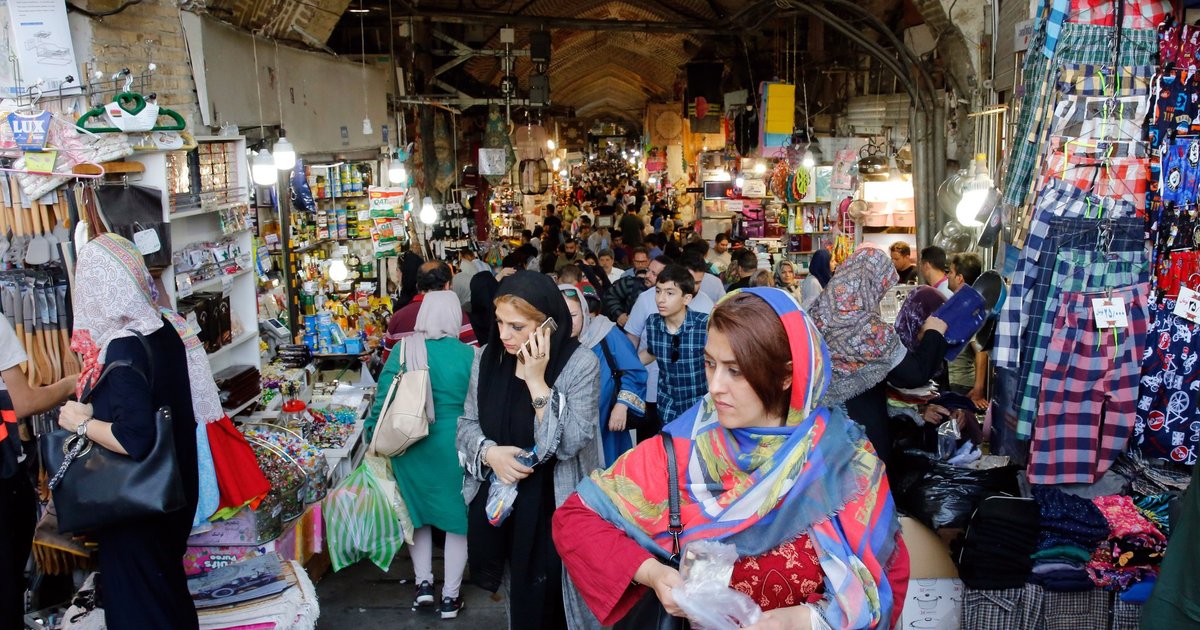
The Iranian currency, the rial, has recorded a new record decline, falling to unprecedented levels in its history, reflecting the profound impact of the economic sanctions imposed by the United States on Iran. This decline comes at a time when the country is suffering from a severe economic crisis, accompanied by rising inflation rates and a sharp shortage of essential goods.
The exchange rate of the US dollar in the black market has surpassed 400,000 rials, exacerbating the suffering of Iranian citizens who are struggling to secure their daily needs. This decline has worsened the economic situation, with many Iranians facing rising prices and shortages of food supplies.
Details of the Event
This crisis comes at a sensitive time for Iran, as the government seeks to address economic and political pressures. The US sanctions, imposed since the withdrawal of the United States from the nuclear deal in 2018, have led to a significant deterioration of the Iranian economy. With these pressures continuing, it appears that the Iranian government is facing increasing challenges in managing the economic situation.
The Iranian government is attempting to take measures to counter this decline, announcing plans to stimulate the economy and increase domestic production. However, these plans face significant implementation difficulties, further exacerbating the crisis.
Background & Context
Since 2018, Iran has witnessed a series of economic sanctions imposed by the United States, targeting vital sectors such as oil and gas. These sanctions have led to a substantial decline in government revenues, negatively impacting the national economy. Additionally, internal and external political crises have contributed to the worsening economic situation, forcing the government to confront multiple challenges.
Historically, Iran has experienced numerous economic fluctuations, but the current situation is considered one of the most challenging, with increasing economic and social pressures on citizens. These conditions have affected the daily lives of many Iranians, leading to occasional public protests.
Impact & Consequences
The decline in the value of the Iranian currency serves as a wake-up call for the government, necessitating urgent action to prevent further deterioration. This decline could lead to increased public protests, as citizens express their dissatisfaction with the economic conditions. Furthermore, the currency's depreciation may impact trade relations with other countries, increasing Iran's economic isolation.
At the same time, these conditions may increase pressure on the Iranian government, potentially prompting it to make unpopular decisions, such as reducing government support or raising taxes, which could further exacerbate citizens' suffering.
Regional Significance
The economic situation in Iran has a direct impact on the Arab region. As the Iranian economy deteriorates, trade and economic relations between Iran and neighboring Arab countries may be affected. Moreover, economic crises could lead to heightened political tensions, impacting regional stability.
Additionally, the worsening economic conditions in Iran may lead to increased emigration from the country, creating new challenges for neighboring states hosting Iranian refugees. Thus, the economic situation in Iran has far-reaching implications for the entire region.
In conclusion, the decline in the value of the Iranian currency is a direct result of US sanctions and reflects the significant challenges facing the country. An urgent response from the Iranian government is required to address this crisis; otherwise, the situation may worsen further.