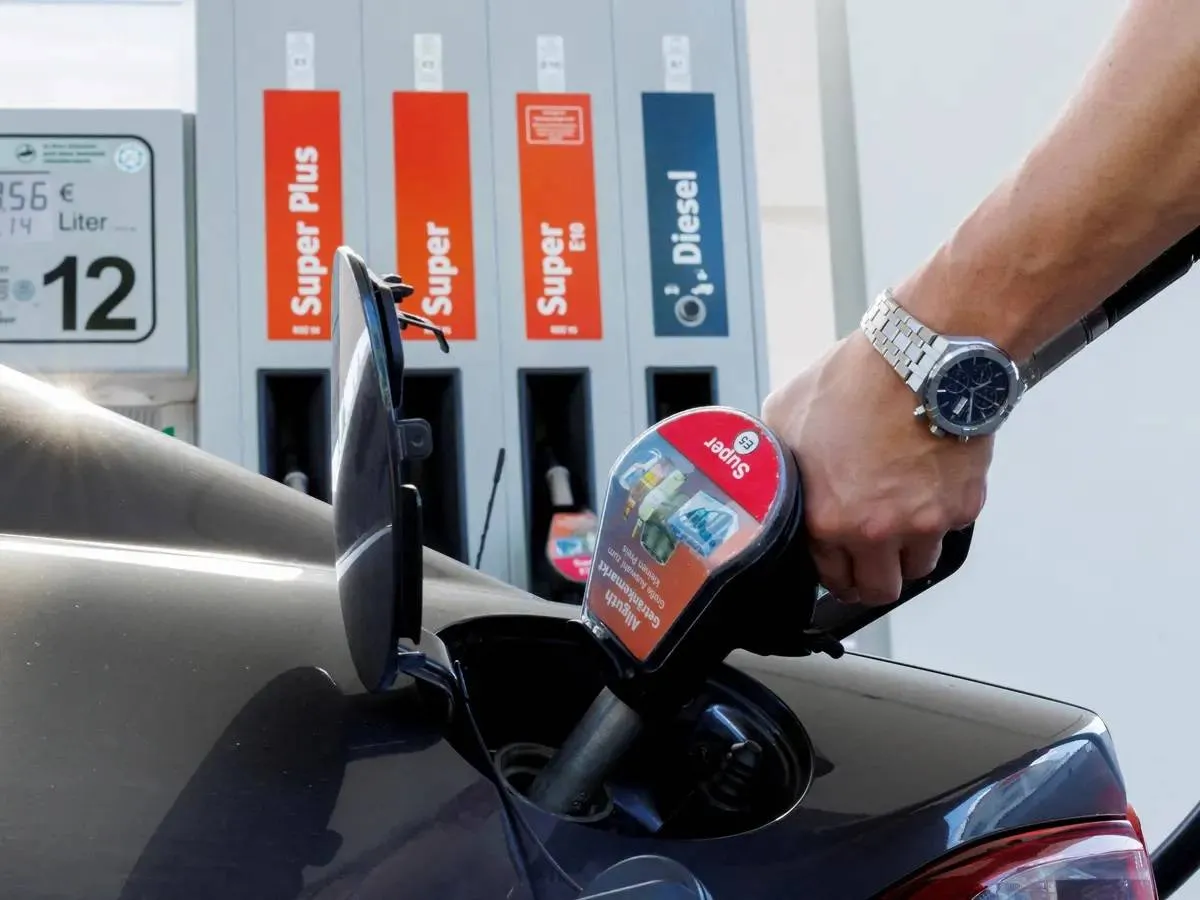
Germany's diesel fuel prices reached a historic high last Sunday, with the German Automobile Club (ADAC) reporting an average price of €2.440 per liter, an increase of 5.1 cents compared to the previous day.
In contrast, the price of premium gasoline, classified as 'E10', saw a smaller increase, rising by 7 cents to €2.191 per liter. This rise occurs during a sensitive period coinciding with the Easter holiday, which typically boosts fuel demand.
Details of the Event
As of April 1, new regulatory rules have come into effect, preventing gas stations from raising prices more than once a day, specifically at 12:00 PM. This measure, modeled after the Austrian system, has led to daily increases in fuel prices.
For comparison, the average price of premium gasoline 'E10' before the new rules was €2.087 per liter, while diesel was priced at €2.295. Following the Easter holiday, oil companies took advantage of the midday period to significantly raise prices.
Background & Context
Despite rising oil prices, the recent increase in fuel prices has been less severe than previous hikes. The average price of a liter of 'E10' gasoline rose by 6.6 cents to €2.235, while diesel prices increased by the same amount to reach €2.487 per liter.
The ADAC considers fuel prices to still be excessively high, impacting the budgets of German households. Simultaneously, the oil market shows no signs of relief, as Brent crude oil prices have surged to over $111 per barrel, an increase of nearly $40 compared to the period before the outbreak of the U.S.-Israeli war on Iran.
Impact & Consequences
The Gulf markets are affected by fluctuations in oil prices, showing varied performance as investors await more clarity on ceasefire talks between the U.S. and Iran. Markets in Dubai, Bahrain, and Saudi Arabia saw declines, while Abu Dhabi, Qatar, and Kuwait markets experienced gains.
In the Saudi market, indices fell by 0.1%, closing at 11,263 points, with total trading values around 4.5 billion riyals. Major companies such as 'Aramco' and 'Riyadh Bank' also experienced notable declines in their stock prices.
Regional Significance
Continued increases in fuel prices are impacting Arab economies, as many countries are grappling with the repercussions of rising living costs. Additionally, falling oil prices could affect investments in the region, exacerbating economic pressures.
In conclusion, the situation in Germany's fuel market remains tied to global oil price fluctuations, necessitating close monitoring by both consumers and decision-makers alike.