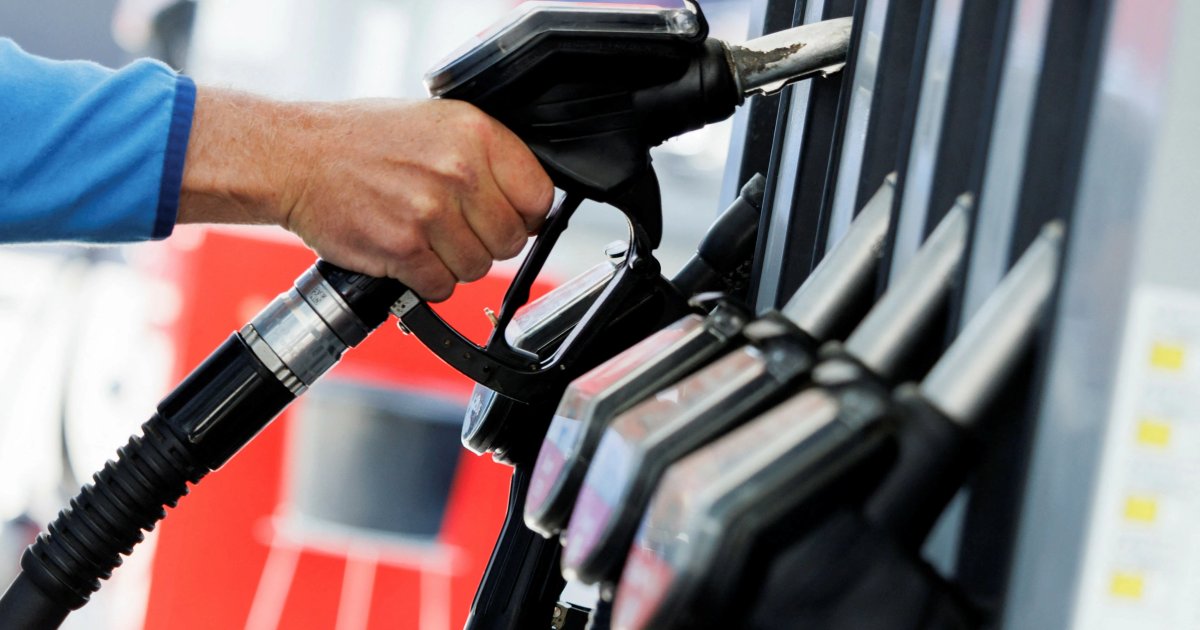
Germany has recorded a new peak in diesel prices, with the German Automobile Club "ADAC" reporting that the average price per liter has reached €2.391, the highest level ever recorded. This increase marks the third consecutive rise, reflecting ongoing pressures on fuel prices in the country.
Previously, the diesel price surpassed the previous record set last Wednesday, which was €2.346. This significant price hike comes at a sensitive time, as many citizens are grappling with the repercussions of rising living costs.
Details of the Event
As of last Wednesday, new regulations came into effect to regulate fuel prices in Germany. These regulations prevent gas stations from raising prices more than once a day, specifically at 12:00 PM. This measure is part of the German government's efforts to curb the price volatility witnessed in the markets and is inspired by the model used in Austria.
However, since the implementation of these measures, gas stations have experienced notable price jumps. For instance, the average price of premium gasoline, "E10", increased by approximately 8 cents to reach €2.234. Meanwhile, the price of diesel saw a larger increase, rising by 9.4 cents to €2.486 per liter.
Background & Context
This increase in diesel prices occurs within a global context of rising energy costs, driven by several factors including geopolitical tensions and increased fuel demand following the COVID-19 pandemic. Additionally, global oil prices have seen significant increases, directly impacting fuel prices in consuming countries.
Germany is one of the largest economies in Europe, and fuel prices play a vital role in determining transportation and production costs. Therefore, any increase in fuel prices directly affects the German economy, reflecting on the overall prices of goods and services.
Impact & Consequences
The rise in diesel prices has wide-ranging implications, affecting transportation and shipping costs, which may lead to increased prices of goods in the markets. This increase could also impact consumers' purchasing power, adding economic pressure on households.
Moreover, these price hikes may lead to renewed calls from labor unions for wage increases, potentially creating tension in the labor market. The German government may also face political pressure from citizens who feel the impact of these increases on their daily lives.
Regional Significance
The rise in diesel prices in Germany could have indirect effects on the Arab region, especially given the heavy reliance on oil and gas. If fuel prices continue to rise, it may lead to increased shipping and transportation costs in Arab countries, affecting intra-regional trade.
Furthermore, rising energy prices may impact economic development plans in some Arab countries, as these nations strive to improve infrastructure and increase investments. Therefore, monitoring fuel price developments in global markets is crucial for Arab countries.
In conclusion, diesel prices in Germany remain a hot topic that requires close monitoring, as their effects extend beyond national borders, necessitating collaborative efforts to address the increasing economic challenges.