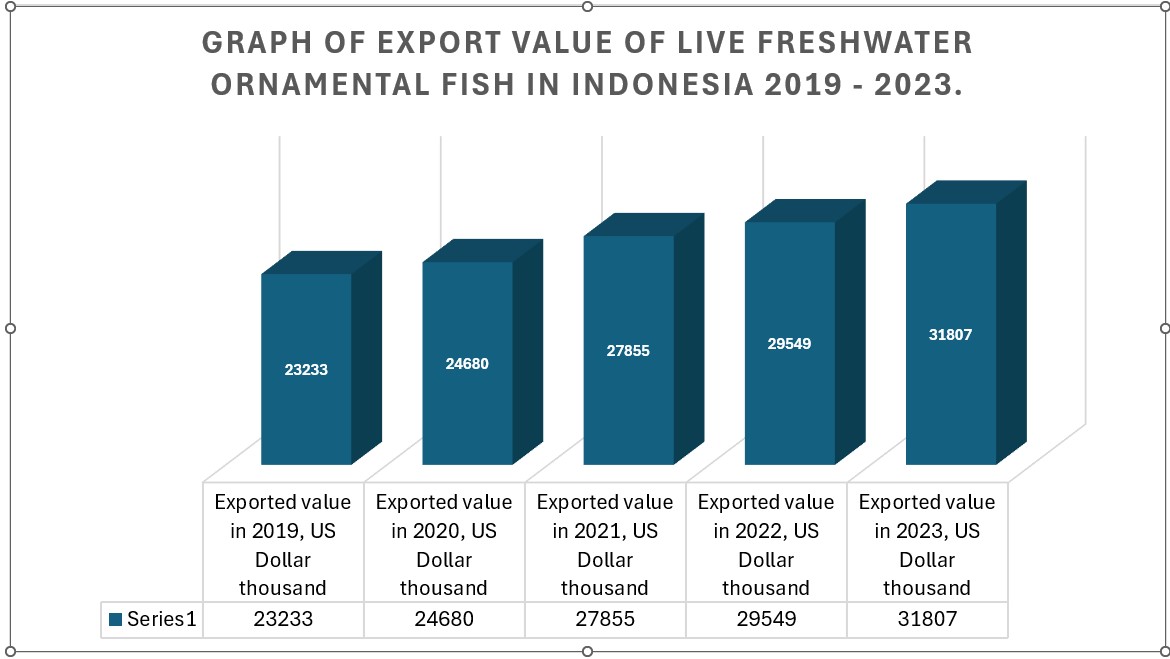
Fish exports from the Bangka Belitung Islands in Indonesia have reached a value of 114 billion rupiah, with species such as manihot and kumi leading the exports. These figures reflect the Indonesian government's efforts to boost the fishing sector and enhance the quality of marine products, highlighting the importance of this sector in the local economy.
Reports indicate that fish exports from the region have seen a significant increase in recent months, with large quantities of fish being exported to foreign markets, contributing to an increase in income for local farmers. Officials noted that this rise in exports reflects the improved quality of marine products being produced in the area.
Event Details
The Bangka Belitung Islands are rich in marine resources, boasting a wide variety of fish species. The Indonesian Ministry of Marine Affairs and Fisheries has confirmed a strong focus on improving fishing techniques and developing the necessary infrastructure to support this sector. Training programs have also been implemented for farmers to enhance their skills in fishing and aquaculture.
The Indonesian government is also enhancing cooperation with the private sector, having signed several agreements with local and international companies to expand export scope and improve quality. These efforts are expected to contribute to increased financial revenues for the country and bolster the local economy.
Background & Context
Historically, the fishing sector in Indonesia has been a vital contributor to the national economy. With the rising global demand for marine products, the Indonesian government is striving to strengthen this sector by improving practices and techniques used in fishing. In recent years, there has been an increase in investments in this field, leading to improved product quality and increased exports.
Indonesia is one of the largest fish-producing countries in the world, significantly contributing to meeting global market needs. However, the country faces challenges related to sustainability and marine resource conservation, necessitating ongoing efforts to ensure the sustainability of this vital sector.
Impact & Consequences
The increase in fish exports from Indonesia is a positive indicator of the health of the local economy, contributing to the creation of new job opportunities and increased income for farmers. Strengthening this sector can also improve the standard of living in coastal areas, where many residents rely on fishing as a primary source of income.
Moreover, enhancing the quality of marine products can boost Indonesia's competitiveness in global markets, opening new avenues for trade and investment. With the growing demand for healthy and sustainable fish, Indonesia is well-positioned to capitalize on these opportunities.
Regional Significance
Trade relations between Indonesia and Arab countries are significant, as many Arab nations seek to diversify their sources of food imports. The increase in fish exports from Indonesia can help meet the needs of the Arab market, especially given the rising demand for marine products.
Additionally, enhancing cooperation between Indonesia and Arab countries in the fishing sector could open new horizons for trade exchange, contributing to strengthening economic relations between both sides.
In conclusion, the recorded figures in fish exports from Indonesia reflect the success of government efforts in bolstering this vital sector, contributing to improving the local economy and opening new avenues for international trade.