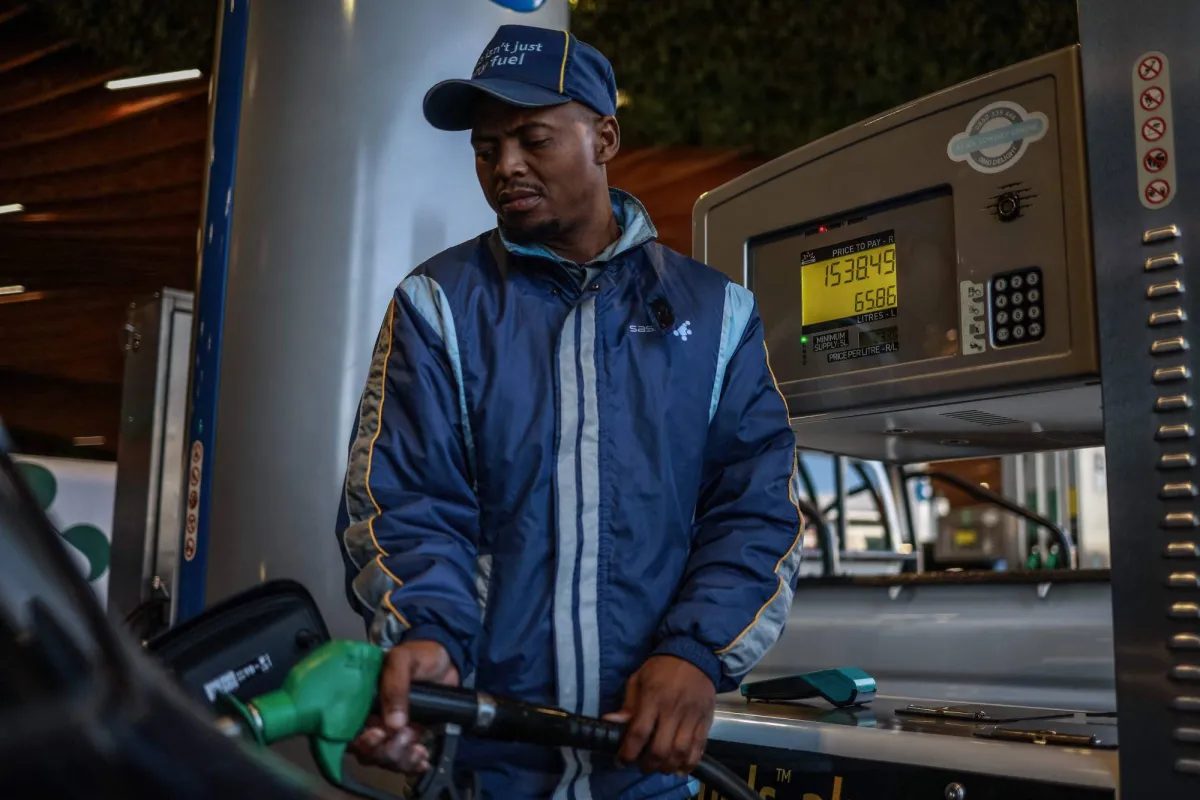
African governments have implemented significant fuel price hikes as the Iranian war has led to a surge in global oil prices, threatening to worsen inflation throughout the continent. Most African countries import their oil products, making them vulnerable to supply disruptions.
In South Africa, one of the continent's largest economies, the government has reduced fuel taxes for one month to alleviate pressure from labor unions and business groups, attempting to curb rising prices in April.
Details of the Situation
In Ghana, the National Petroleum Authority raised the mandatory minimum fuel prices from April 1 to 15, resulting in a 15% increase in gasoline prices to 13.30 cedis (1.21 USD) per liter, and a 19% rise in diesel prices to 17.10 cedis. President John Mahama reported that the government is considering measures to support consumers, including reducing profit margins on fuel and reviewing taxes on petroleum products. He also mentioned the possibility of securing a supply agreement with Nigeria's Dangote refinery to ensure alternative sources of refined oil, as Ghana imports about 70% of its refined fuel needs.
In Malawi, the Energy Regulatory Authority imposed sharp increases in fuel prices, with gasoline rising by 34% to 6672 kwacha (3.89 USD) per liter, and diesel prices increasing by 35% to 6687 kwacha starting Wednesday. The authority reported that gasoline and diesel prices rose by 42% and 87% respectively between January and March.
In Tanzania, the Energy and Water Regulatory Authority set a new ceiling price for gasoline at 3820 shillings (1.49 USD) per liter, a 33% increase from March, while diesel prices also rose by the same percentage to 3802 shillings. The authority confirmed that fuel supplies remain sufficient to meet the country's needs.
In Mauritania, the government raised gasoline prices by 15.3% and diesel by 10%. Minister of Economic Affairs, Abdallah Ould Suleiman, noted that the government will work to mitigate the impact of these increases on the most vulnerable households by raising the minimum wage and providing cash assistance.
In Gambia, fuel prices increased by 18.79% for gasoline and 12.20% for diesel, according to a finance ministry official. Authorities in Botswana and Mali also announced similar fuel price hikes.
Background & Context
These price increases come at a time when the world is experiencing significant disruptions in energy markets due to the Iranian war, which has disrupted the Strait of Hormuz, through which approximately 20% of the world's oil passes. Oil prices have surged to record levels exceeding 120 USD per barrel, amid fears of a continued rise to 150 USD.
Gas prices in Europe have also increased by over 70%, due to the continent's heavy reliance on a significant portion of its gas imports from the Middle East. Member countries of the International Energy Agency have agreed to withdraw 400 million barrels of oil from strategic reserves in an effort to stabilize price levels.
Impact & Consequences
The International Energy Agency anticipates worsening disruptions to oil supplies from the Middle East in April, which will affect Europe due to the closure of the Strait of Hormuz. The agency's executive director, Fatih Birol, indicated that this crisis is considered worse than the oil crises of the 1970s and the loss of Russian gas in 2022.
Calculations have shown that the average daily natural gas supplies exported by Russia's Gazprom to Europe have increased by 22% compared to the same month last year, reaching 55 million cubic meters in March.
Regional Significance
These fuel price increases impact Arab countries that heavily rely on oil imports, as rising prices could exacerbate economic and social conditions in many nations. Continued disruptions in energy markets may threaten price stability in the region and increase pressure on governments.
In conclusion, the repercussions of the Iranian war on global energy markets are evident, necessitating a swift response from African and Arab governments to address these escalating challenges.