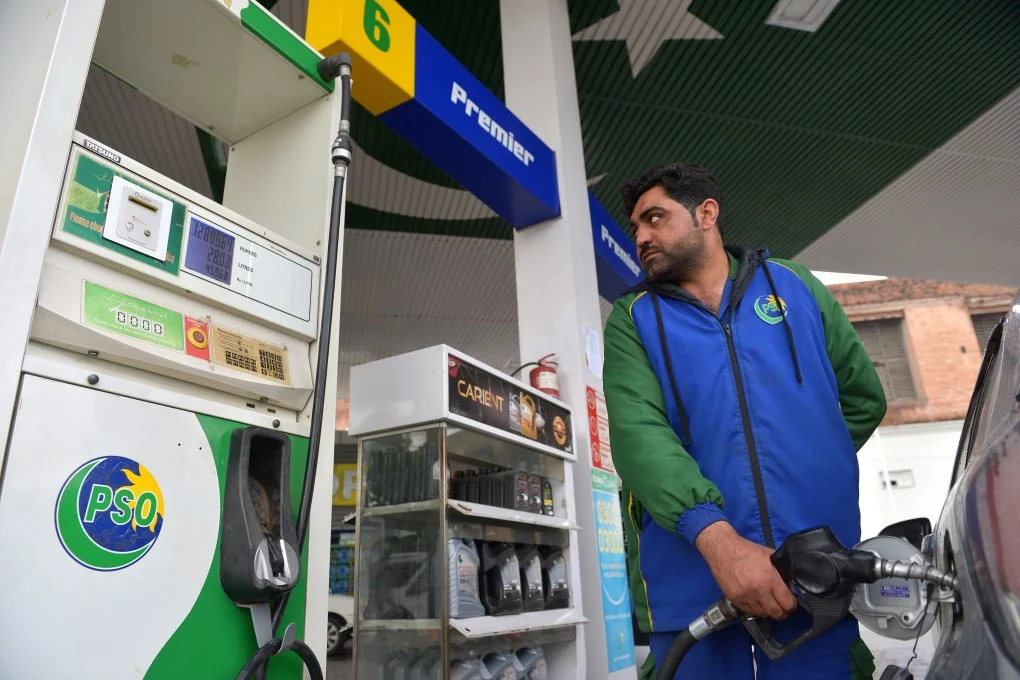
On Friday, Pakistan experienced a record increase in fuel prices, with gasoline and diesel prices rising by up to 54%. This surge is attributed to ongoing conflicts in the Middle East that have driven global oil prices higher, adding further strain to an already inflation-ridden economy.
Pakistani Oil Minister Pervez Malik stated in his remarks that this increase was "unavoidable," indicating that the government was compelled to make this decision amid the country's challenging economic conditions. He explained that the new prices would significantly impact living costs, potentially leading to higher prices for food and essential services.
Details of the Price Increase
This price hike comes at a particularly sensitive time for the Pakistani economy, which faces significant challenges including high inflation rates and external debt. Economic reports have indicated that Pakistan has seen a 20% increase in food prices in recent months, exacerbating the hardships faced by citizens.
Fuel prices are a key factor affecting transportation and production costs, and thus this increase may lead to a rise in the prices of goods and services across the country. Economists have warned that this increase could worsen the cost-of-living crisis for many Pakistani families.
Background & Context
Historically, Pakistan has experienced significant fluctuations in fuel prices, often linked to geopolitical events in the region. For instance, in 2008, the country witnessed a similar spike in fuel prices due to rising global oil prices, which led to widespread protests.
In recent years, Pakistan has been facing increasing economic challenges, including dwindling foreign reserves and rising unemployment rates. These factors have contributed to worsening economic conditions, putting the government under increasing pressure to take stringent measures.
Impact & Consequences
The rise in fuel prices is expected to increase the overall cost of living, which may negatively impact the lower and middle classes in society. Experts have warned that this increase could lead to higher poverty rates, as many families may be forced to cut back on essential expenditures.
This situation may also affect political stability in the country, as it could lead to public protests against the government. Historically, significant increases in fuel prices have been a catalyst for protests in Pakistan, potentially placing the current government in a difficult position.
Regional Significance
Global oil prices are a vital factor that affects the economies of many Arab countries. If oil prices continue to rise, Arab nations that rely on oil as a primary source of income may experience negative impacts on their economies. Additionally, the increase in fuel prices could lead to higher prices for essential goods in the region, affecting the lives of citizens.
Ultimately, the situation in Pakistan serves as an example of how geopolitical events can impact the global economy and how these changes can affect people's daily lives. It requires governments to take effective steps to mitigate the effects of these increases on citizens.