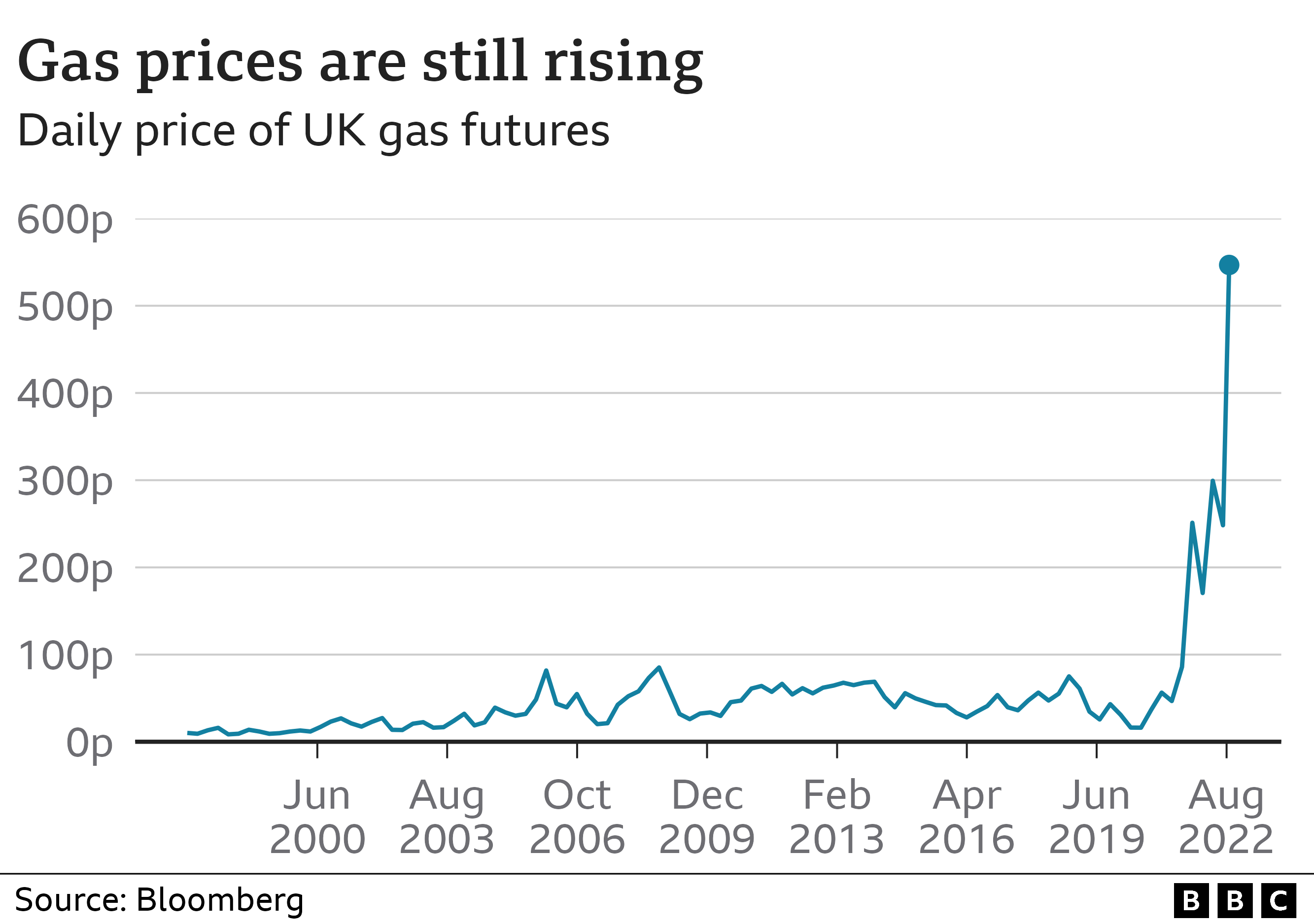
Fuel prices in the United Kingdom have surged to unprecedented levels during March 2023, with significant increases in both petrol and diesel prices due to the ongoing war in Iran. This rise comes at a time when drivers are facing increasing financial pressures, heightening the demand for intervention and support from the British government.
According to reports, fuel prices in the UK have risen significantly, impacting the budgets of British households. Experts have indicated that this increase could have wide-ranging implications for the British economy, especially amid escalating global economic crises.
Event Details
In March, petrol prices in the UK reached record levels, exceeding £1.70 per liter, while diesel prices saw a similar increase. This rise occurred during a sensitive period, as the British government faced mounting criticism for its inability to control fuel prices.
The war in Iran, which began several months ago, has led to disruptions in the global oil market, directly affecting fuel prices in many countries, including the UK. Many analysts have pointed out that this situation may persist for an extended period, increasing pressure on the British government.
Background & Context
Historically, fuel prices in the UK have been significantly influenced by geopolitical events in the Middle East, where Iran is considered one of the largest oil producers in the world. Any disruptions in this region lead to fluctuations in oil prices, which directly reflect on fuel prices in global markets.
In recent years, the UK has experienced repeated increases in fuel prices, but the current rise is among the most severe. The British government had previously taken steps to mitigate the impact of rising prices on citizens, but it appears that these measures have not been sufficient under the current circumstances.
Impact & Consequences
The rise in fuel prices has negative effects on the British economy, leading to increased transportation and shipping costs, which in turn affects the prices of goods and services. This situation could lead to economic inflation, further exacerbating the struggles of British households.
Moreover, this situation may impact the popularity of the current government, as pressure mounts on Prime Minister Keir Starmer to take urgent action to assist citizens. There are growing calls from opposition parties and citizens to reduce fuel taxes or provide direct support to affected families.
Regional Significance
The Middle East, including Arab countries, is one of the largest oil-producing regions in the world. Any changes in oil prices directly affect the economies of these countries. The rise in fuel prices in the UK may lead to increased demand for oil from Arab nations, potentially contributing to improved economic conditions for some of these countries.
However, political and economic crises in the region may affect price stability, making it difficult to predict the long-term consequences of these events. Under these circumstances, Arab countries must take strategic steps to ensure the stability of their oil markets.
The rise in fuel prices in the UK due to the war in Iran highlights the interconnectedness between geopolitical events and global energy markets. It is crucial for governments in the region to monitor these developments and be prepared to adapt to potential market changes.