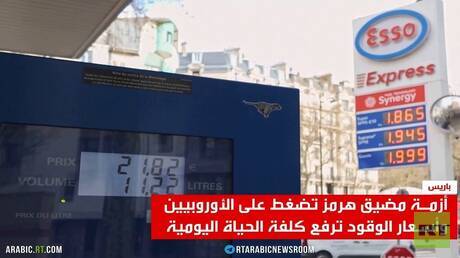
France has recently witnessed record-breaking increases in gas prices, with costs surpassing previously unseen levels, causing widespread concern and discontent among citizens. This rise comes at a sensitive time, as the French government has announced its readiness to implement consumption rationing policies in an effort to mitigate the impact of these increases on people's lives.
Gas prices at some stations range between €2.20 and €2.50 per liter, placing a significant burden on French households, especially amid the challenging economic conditions the country is facing. This situation has prompted many citizens to take to the streets to express their dissatisfaction with these hikes, threatening the stability of the current government.
Details of the Event
This increase in gas prices is a direct result of several factors, including the ongoing rise in global oil prices, as well as geopolitical crises affecting the energy market. Economists have pointed out that this increase could lead to greater inflation in prices, negatively impacting citizens' purchasing power.
The French government is also facing mounting pressure from labor unions and citizens to demand urgent measures to alleviate the severity of this crisis. The government has confirmed that it is working on a comprehensive plan to address these challenges, including support for low-income families and financial assistance for affected citizens.
Background & Context
Historically, France has faced several fuel price crises, but this latest wave of increases comes at a sensitive time, as the country grapples with the repercussions of the COVID-19 pandemic and the global energy crisis. These crises have led to increased energy demand, significantly contributing to rising prices.
In recent years, the French government has relied on policies aimed at reducing dependence on fossil fuels and promoting the use of renewable energy. However, the current spikes in gas prices may reflect significant challenges to these policies, necessitating a reassessment of the adopted strategies.
Impact & Consequences
These increases in gas prices are expected to affect various economic sectors, including transportation and services. Additionally, rising transportation costs may lead to increased prices for goods and services, negatively impacting citizens' lives.
Moreover, these conditions could lead to a surge in popular protests, potentially threatening political stability in the country. France has witnessed numerous popular protests in recent years, such as the Yellow Vests movement, which was a response to rising living costs.
Regional Significance
Gas and oil prices are sensitive issues in the Arab region, where many countries rely on oil exports as a primary source of revenue. Consequently, the rise in gas prices in France could impact global oil prices, which may reflect on the economies of oil-producing Arab nations.
Furthermore, these conditions could increase pressure on Arab governments to provide greater support to citizens in the face of rising living costs, potentially contributing to increased social tensions in some countries.
In conclusion, the crisis of rising gas prices in France remains a complex issue that requires a swift and effective response from the government, as the potential impacts may extend beyond French borders, affecting the global economy as a whole.