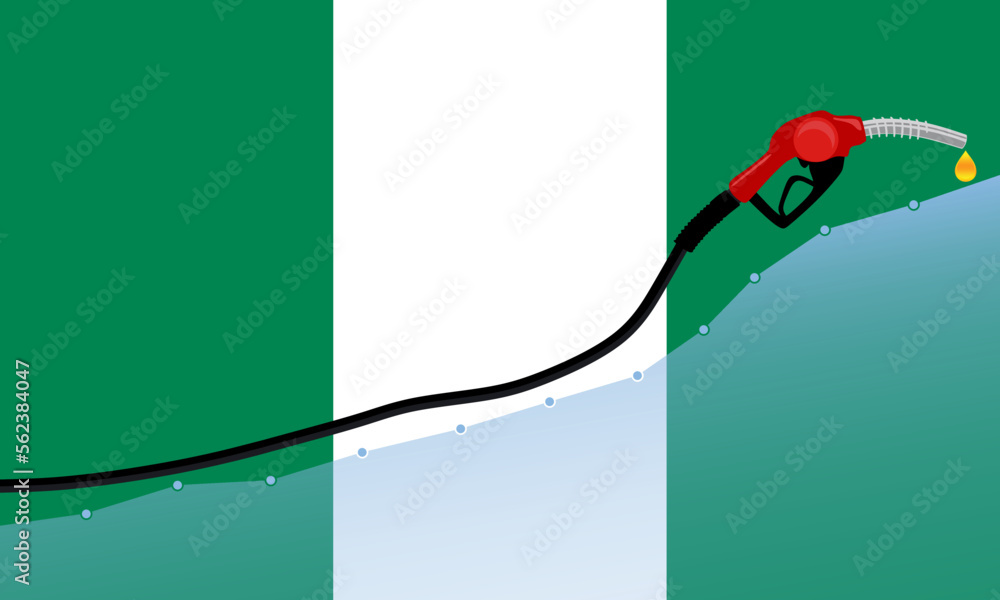
Gasoline prices in Nigeria have reached new record levels, even with the recent launch of the country's giant oil refinery. Despite hopes that the refinery would alleviate economic pressures, prices remain unprecedentedly high. This comes at a time when the country is suffering from a severe economic crisis, with gasoline prices exceeding 600 naira per liter, further increasing the burden on citizens.
Although the giant refinery, considered one of the largest facilities in Africa, has begun operations, its impact on the market has not been as expected. The government had hoped that the refinery would help reduce dependence on fuel imports and thus lower prices, but reality has proven otherwise.
Event Details
The Lakota refinery in Nigeria was launched after years of delays and technical issues, with the government hoping it would lead to increased domestic gasoline production. However, logistical challenges and rampant corruption in the oil sector continue to pose obstacles to achieving the desired goals. Experts have indicated that the operational process still requires significant improvements to ensure sustainable production.
It is noteworthy that Nigeria, one of Africa's largest oil-producing countries, is experiencing a severe energy crisis, with the economy heavily reliant on oil exports. However, a lack of infrastructure and widespread corruption have exacerbated the situation, making it difficult for the country to meet local market demands.
Background & Context
Historically, Nigeria has relied heavily on fuel imports, despite being one of the world's largest oil producers. This reliance has exacerbated economic and social crises, with the country witnessing a continuous rise in fuel prices. In recent years, the Nigerian government has attempted to boost domestic production through investments in the refining sector, but these efforts have not yielded the expected results.
The Lakota refinery is one of the largest projects launched in this context, with the government hoping it would contribute to achieving fuel self-sufficiency. However, the challenges facing the country make it difficult to achieve this goal in the near future.
Impact & Consequences
Reports indicate that rising gasoline prices in Nigeria could lead to increased inflation, negatively impacting the local economy. These high prices may also lead to increased transportation and production costs, which will reflect on the prices of other goods and services. Consequently, citizens are experiencing increasing economic pressures, heightening social discontent.
On the other hand, the continued rise in prices may affect foreign investments in the oil and gas sector, as companies may hesitate to invest in an unstable environment. This could exacerbate economic crises in the country, making it difficult to achieve sustainable growth.
Regional Significance
Nigeria is considered one of the important countries in the global oil market, playing a significant role in determining global prices. Therefore, the crises facing Nigeria may affect oil prices in global markets, impacting Arab countries that rely on oil exports. Additionally, rising fuel prices in Nigeria may affect neighboring countries, potentially leading to increased demand for imported fuel.
In conclusion, Nigeria continues to face significant challenges in the oil sector, needing radical reforms to ensure sustainable production and achieve self-sufficiency. As gasoline prices continue to rise, citizens remain in a state of anxiety and tension, necessitating urgent government action to alleviate the crisis.