The largest hedge fund managed by energy trader Pierre Andurand achieved a significant increase of 31% during the first quarter of the year, thanks to his positive bets on oil prices. This rise comes amid the ongoing conflict in the Middle East, which has caused a substantial shock to global oil supplies.
This increase in the fund's value is a direct result of geopolitical tensions affecting oil markets, where prices have seen a notable rise recently. These conditions have bolstered Andurand's investments in the energy sector, making him one of the leading traders in this field.
Details of the Event
This increase coincides with escalating tensions in the Middle East, where armed conflicts are impacting the stability of oil supplies. These conditions have led to increased demand for oil, contributing to unprecedented price hikes. The Andurand fund is among a few funds that have managed to capitalize on these circumstances, having adopted bold investment strategies amid these crises.
It is noteworthy that Andurand is known for his ability to predict market movements, having achieved significant profits from his oil investments in previous periods. As the conflict in the Middle East continues, analysts expect these trends to keep influencing global oil markets.
Background & Context
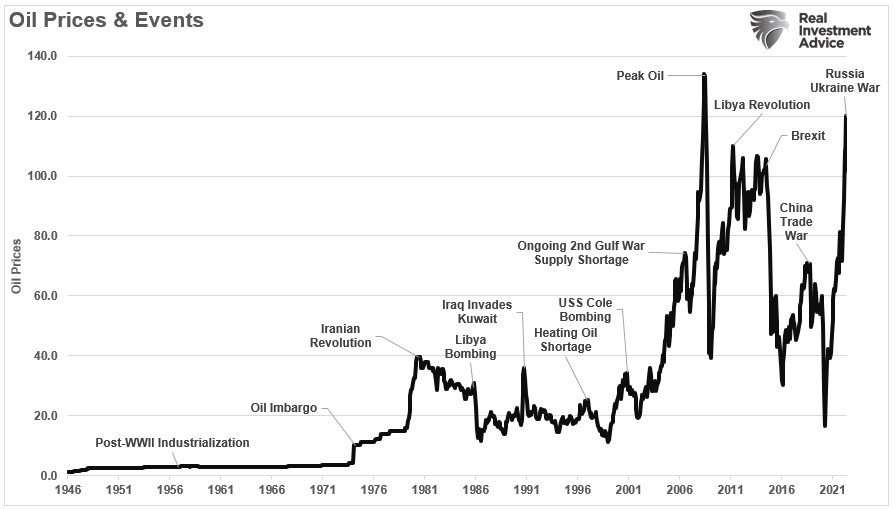
Historically, oil prices have experienced significant fluctuations due to conflicts in the Middle East. Events such as the Iraq War and other regional conflicts have had direct impacts on global oil prices. With the current tensions escalating, it seems history is repeating itself, raising concerns among investors about market stability.
In recent years, oil markets have undergone major transformations, with new discoveries and changes in global demand leading to shifts in market dynamics. However, the Middle East remains a key production hub, making it susceptible to political and military tensions.
Impact & Consequences
The repercussions of rising oil prices extend beyond their effects on financial markets, as they also impact the global economy at large. Higher prices can lead to increased living costs, affecting consumption and potentially slowing economic growth in some countries.
Furthermore, these conditions may increase pressure on governments to provide support to citizens, which could heighten social tensions. Additionally, rising oil prices may influence monetary policies, as central banks might need to adjust interest rates to combat rising inflation.
Regional Significance
For Arab countries, rising oil prices can have varied effects. While oil-producing nations may benefit from increased revenues, importing countries could face economic challenges due to higher energy costs.
Moreover, ongoing conflicts in the region may affect political stability, increasing economic risks. Therefore, Arab nations need to develop strategies to adapt to these market changes, focusing on economic diversification and reducing reliance on oil.