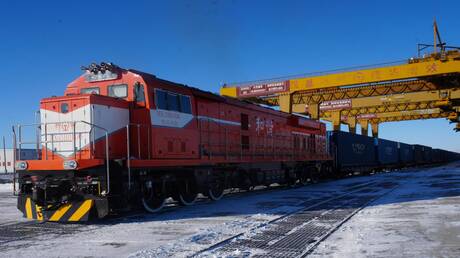
Russian Deputy Prime Minister Vitaly Savelyev announced a significant increase in cargo transport through the North-South shipping corridor, which connects Mumbai and St. Petersburg. This corridor is part of a multimodal transport network aimed at enhancing international trade.
This increase in transport activity comes at a time when Russia is seeking to strengthen its trade relations with Asian countries, particularly India, amid global economic challenges. This growth reflects the importance of the corridor as an alternative trade route between the East and West, contributing to a reduction in reliance on traditional routes.
Details of the Event
Savelyev explained that the North-South corridor has seen an increase in the volume of shipments passing through it, reflecting the success of strategies implemented to enhance transport efficiency. This corridor is one of the major projects aimed at connecting Russia with South Asian and Middle Eastern countries, facilitating the movement of goods and contributing to the enhancement of regional trade.
The transport network in this corridor includes a range of land and maritime routes, providing multiple options for transporting goods. There is also a growing interest from Russian and Indian companies to take advantage of this network, reflecting confidence in the future of trade between the two countries.
Background & Context
The North-South corridor was established in the 1990s as part of efforts to enhance economic cooperation between Russia and Asian countries. It was designed to be an effective alternative to traditional routes that rely on transit through Europe. With increasing geopolitical tensions, this corridor has become more important as a means to promote trade without depending on conventional pathways.
Historically, Russia has always sought to enhance its trade relations with Asian countries, especially India, which is considered one of the largest markets in the world. With global economic changes, it has become essential to find new ways to boost trade and expand markets.
Impact & Consequences
The growth in transport activity through the North-South corridor is seen as a positive step reflecting the success of Russian policies in enhancing trade with Asian countries. This growth could significantly impact the Russian economy, as it is expected to contribute to an increase in exports and imports, thereby boosting economic growth.
Moreover, this corridor may help reduce logistics costs, making Russian products more competitive in global markets. Consequently, this could lead to an increase in foreign investments in Russia, enhancing the stability of the Russian economy amid current challenges.
Regional Significance
The North-South corridor represents a significant opportunity for Arab countries to enhance their trade with Russia and Asian countries. This corridor can facilitate the movement of goods between Arab countries and Russia, thereby strengthening economic cooperation between both sides.
Furthermore, enhancing trade between Russia and Arab countries could open new avenues for investment and cooperation in various fields, contributing to sustainable development in the region.
In conclusion, the growth in cargo transport through the North-South corridor underscores the importance of this project as a strategic solution for enhancing international trade, reflecting new trends in Russian economic policy.