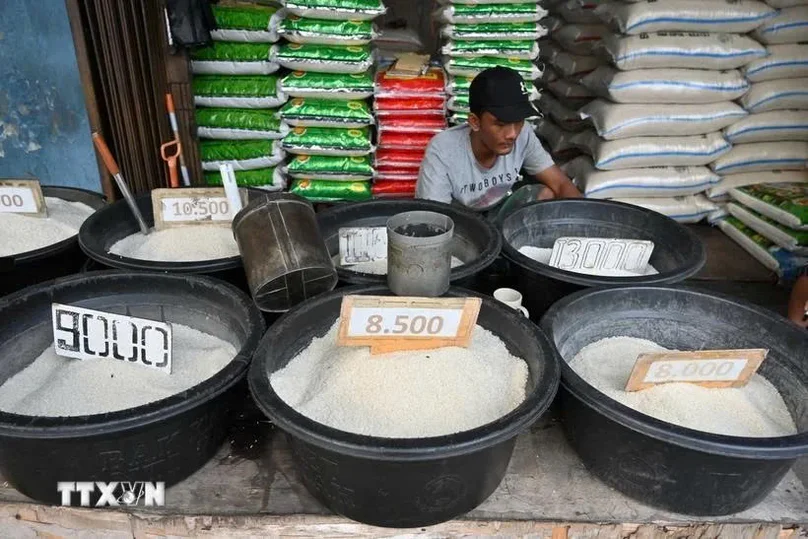
Indonesian Agriculture Minister Andi Amran Sulaiman announced a remarkable increase in rice stock in South Sulawesi, with the stock reaching 761,000 tons, which is double the previous amount of approximately 300,000 tons. This announcement came during the minister's visit to rice storage facilities in the Panajakan area, accompanied by the Deputy Director General of Bulog, Marga Taufiq.
Sulaiman confirmed that this substantial increase in stock reflects the government's success in enhancing agricultural production through the implementation of effective programs within a short timeframe, contributing to food security in a region that is a key agricultural production center in Indonesia.
Details of the Event
Sulaiman pointed out that the storage facilities in South Sulawesi are currently full, indicating the success of efforts made to increase production, as the stored quantity has exceeded the predetermined storage capacity. He also clarified that this increase is not limited to South Sulawesi alone but also includes the national level, with the total rice stock in Indonesia reaching approximately 4.5 million tons, the highest historical level during the period from January to March 2026.
Sulaiman described this increase as a strong indicator of the effectiveness of government programs in boosting agricultural production, emphasizing that South Sulawesi could play a key role in distributing rice to other regions in Indonesia that are experiencing low production levels.
Background & Context
Historically, Indonesia has faced significant challenges in food security, heavily relying on imports to meet its rice needs. However, the Indonesian government has implemented strategies over the past several years aimed at increasing domestic rice production, including improving agricultural techniques and providing support to farmers.
South Sulawesi is considered one of the main agricultural regions in Indonesia, where rice is widely cultivated. This increase in stock reflects ongoing efforts to improve agricultural productivity and enhance sustainability in this vital sector.
Impact & Consequences
This increase in rice stock is a significant step towards achieving food security in Indonesia, as it will help reduce reliance on imports and provide rice at affordable prices for consumers. Additionally, having a sufficient stock of rice can contribute to price stability in the market, benefiting both farmers and consumers alike.
Moreover, improving agricultural production enhances economic stability in rural areas, where many residents depend on agriculture as their primary source of income. Therefore, this increase in stock could contribute to improving the living standards in agricultural communities.
Regional Significance
Food security is a vital issue that concerns many Arab countries, as some face challenges in securing their food needs. Indonesia's experience in enhancing agricultural production and increasing stock can serve as a model for Arab countries seeking to improve the sustainability of their food production.
By exchanging knowledge and experiences, Arab countries can benefit from successful practices in boosting agricultural production and achieving food security, contributing to sustainable development in the region.