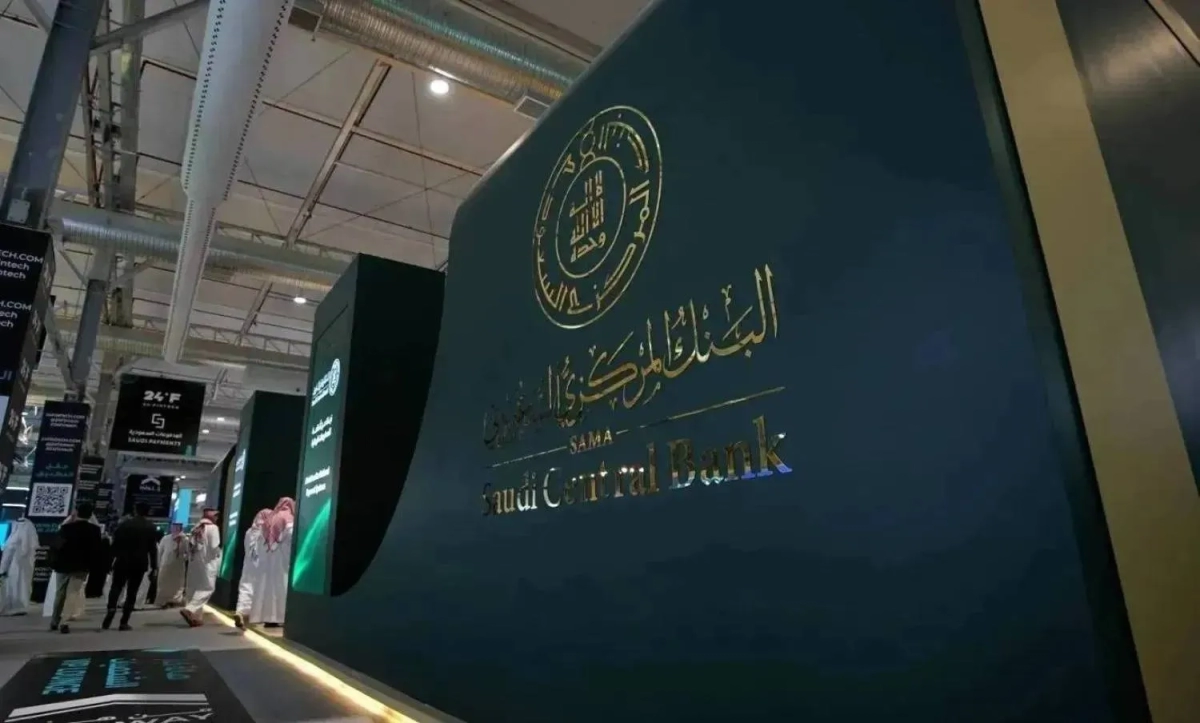
Saudi bank credit granted to both public and private sectors has demonstrated positive growth, reaching approximately 3.335 trillion riyals by the end of February 2026. This figure reflects an annual increase of 9.6%, which translates to an increase exceeding 291.9 billion riyals compared to the same period last year, when it was around 3.042 trillion riyals.
According to the monthly report issued by the Saudi Central Bank (SAMA) for February 2026, bank credit rose by 0.5% month-on-month, increasing by 15.6 billion riyals compared to the end of January this year, when it stood at approximately 3.319 trillion riyals.
Event Details
The SAMA report showed the distribution of bank credit across various economic activities, which enhances comprehensive and sustainable economic growth and supports the goals of the Kingdom's 2030 Vision in developing the financing environment and expanding investment in vital sectors. The data revealed that long-term credit (over three years) constituted the largest share of total credit, accounting for 48.6%, equivalent to 1.622 trillion riyals.
Meanwhile, short-term credit (less than one year) made up 37.7%, amounting to 1.257 trillion riyals. The medium-term credit (from one to three years) reached 13.7%, valued at nearly 456 billion riyals.
Background & Context
This increase in bank credit comes as part of the ongoing efforts by the Kingdom to strengthen the national economy and diversify income sources. In recent years, there have been significant transformations in the Saudi economy, with a focus on developing non-oil sectors, which has contributed to an increased demand for financing from companies and investors.
Moreover, the 2030 Vision has established a clear framework to stimulate investments in various fields, such as tourism, technology, and renewable energy, reflecting the growing need for financing to support these projects.
Impact & Consequences
These figures are a positive indicator of the health of the Saudi economy, reflecting increased confidence in the financial system and the banks' ability to meet market needs. Additionally, the growth in bank credit may contribute to stimulating economic activity and increasing job opportunities, benefiting society as a whole.
Furthermore, the increase in credit also reflects the banks' ability to manage risks and provide advanced financial services that meet customer needs, enhancing the competitiveness of the banking sector in the Kingdom.
Regional Significance
Saudi Arabia is one of the largest economies in the region, and thus any positive developments in the banking sector have direct impacts on neighboring countries. The increase in bank credit can encourage the flow of investments into the region, boosting economic growth in other Arab countries.
Moreover, Saudi Arabia's success in achieving its economic goals can serve as a model for other countries in the region that are seeking to diversify their economies and reduce reliance on oil.