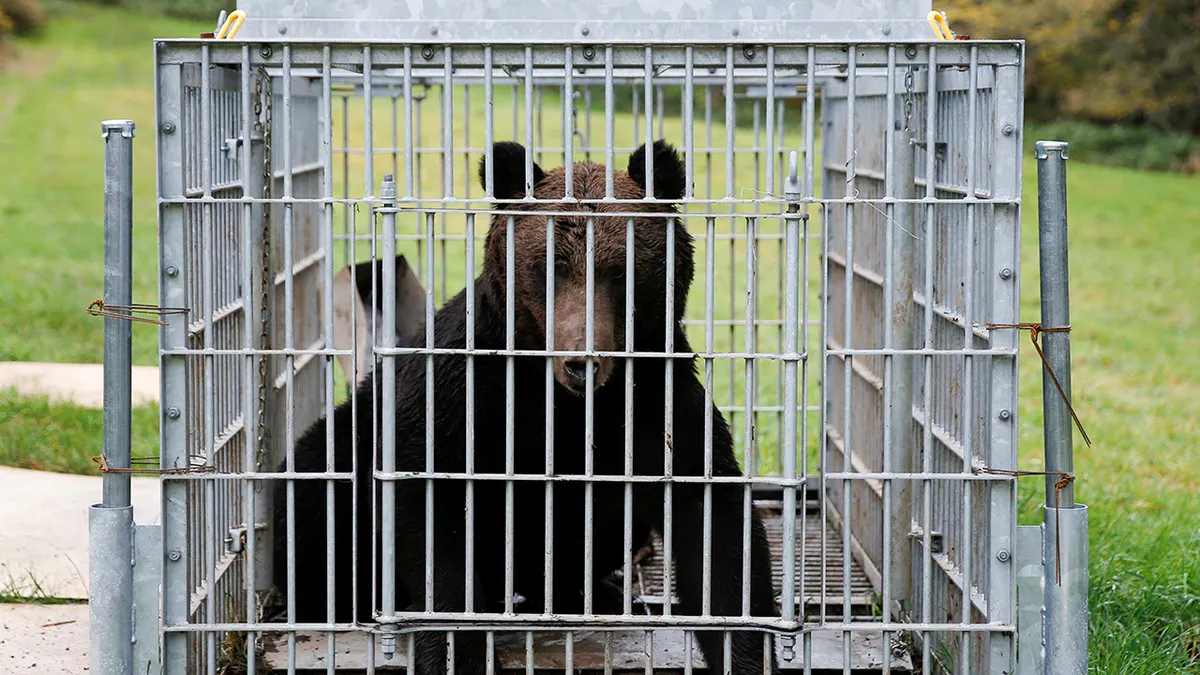
Japan has experienced a significant rise in bear attacks during the fiscal year 2025, which ended last month, with 238 people injured and 13 fatalities, according to reports from the Japanese government.
This figure surpasses the previous record set in fiscal year 2023, when 219 individuals were attacked by bears, resulting in the deaths of six people. The increase in incidents reflects a growing interaction between humans and wildlife across various regions of Japan.
Details of the Incident
The Japanese Ministry of the Environment reported that these incidents indicate changes in bear behavior, potentially due to environmental shifts or a lack of natural food sources. These figures were announced at a press conference held by the government on Tuesday, emphasizing the urgent need for measures to address this escalating phenomenon.
In November 2025, the Japanese government, under the leadership of Prime Minister Sanai Takahashi, reviewed its policy package aimed at addressing bear attacks. This policy includes financial support for licensed hunters who are appointed as public employees to manage wildlife threats.
Background & Context
Over the years, Japan has seen an increase in bear attacks, raising concerns among local populations. Part of this phenomenon is attributed to a rising bear population in mountainous areas, coupled with the decline of their natural habitats due to human activity.
Historically, Japan has faced similar challenges in managing wildlife, with periods of tension between local communities and wild animals. However, the current surge in attacks indicates a need to reassess wildlife management strategies.
Impact & Consequences
The increase in bear attacks necessitates a swift response from the government and local communities. These incidents can heighten fears among residents, impacting their daily lives and economic activities, particularly in rural areas where populations rely on agriculture and tourism.
Moreover, this phenomenon could lead to changes in environmental policies, as the government may need to enhance cooperation among various agencies to ensure effective management of wildlife resources.
Regional Significance
While these incidents may seem distant from the Arab region, they remind us of the importance of maintaining a balance between humans and wildlife. Many Arab countries face similar challenges related to wildlife conservation and natural resource management.
Furthermore, these incidents highlight the importance of sharing experiences among countries in wildlife management, which can help develop effective strategies to tackle environmental challenges.