Kuwaiti oil prices have recorded a remarkable increase, reaching $118.93 per barrel, which reflects the growing global demand for energy. This rise comes at a time when the market is experiencing notable fluctuations due to geopolitical and economic events affecting global oil markets.
Kuwaiti oil is considered one of the most sought-after types in global markets due to its high quality. Several factors have contributed to this increase, including rising demand from major countries such as China and the United States, in addition to production restrictions imposed by the OPEC organization.
Event Details
Recently, global oil prices have seen consecutive increases, with Brent crude prices exceeding $120 per barrel. The rise in Kuwaiti oil prices occurs within this context, serving as an indicator of improved global demand. Reports have shown that Kuwait is benefiting from this increase, which enhances its oil revenues.
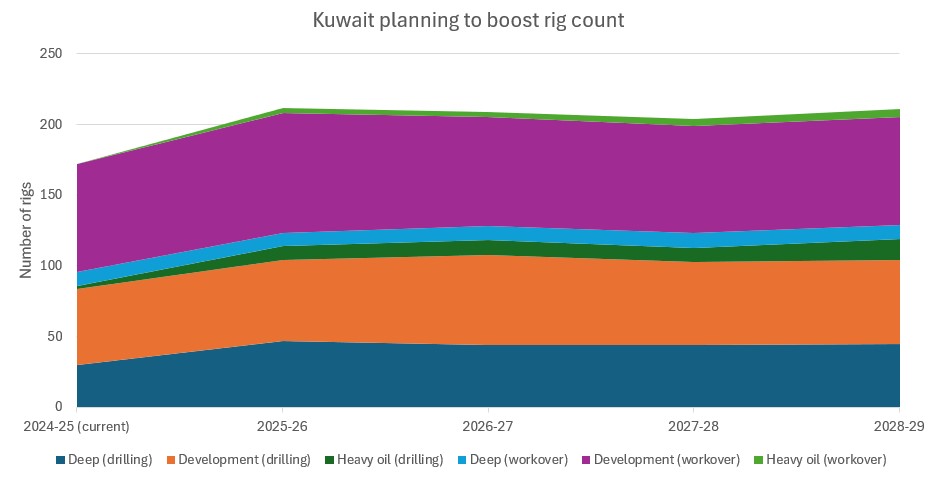
It is noteworthy that Kuwait, as a country heavily reliant on oil as a primary source of revenue, always seeks to achieve stability in oil prices. The Kuwaiti government has taken steps to boost its oil production, contributing to an increase in its revenues.
Background & Context
Historically, oil prices have experienced significant fluctuations due to political and economic crises. For example, crises in the Middle East have led to sudden price spikes. Additionally, the COVID-19 pandemic had negative impacts on global demand, causing prices to drop sharply.
However, markets have begun to recover with the return of economic activity in many countries. Economic policies adopted by major countries have contributed to boosting demand for oil, leading to price increases in recent months.
Impact & Consequences
The rise in oil prices directly affects the Kuwaiti economy, as oil accounts for about 90% of the country's revenues. Therefore, any increase in prices means an increase in revenues, enabling the government to implement development projects and improve public services.
However, the Kuwaiti government must be cautious of future price fluctuations, as any changes in global demand or geopolitical conditions could have negative impacts on the economy. Thus, it is important for the government to adopt strategies to adapt to these changes.
Regional Significance
The rise in Kuwaiti oil prices is an indicator of the recovery of the oil market in the Arab region. Oil-producing countries, such as Saudi Arabia and the United Arab Emirates, also benefit from this increase, which enhances the stability of their economies.
Moreover, rising prices may lead to increased investments in the energy sector in the region, contributing to economic growth. However, Arab countries must be prepared to face future challenges, including shifts in energy sources and the transition to renewable energy.
In conclusion, the rise in Kuwaiti oil prices remains an important event that affects the Kuwaiti economy and the economies of Arab countries in general. It is crucial for oil-producing nations to monitor these developments and prepare to adapt accordingly.