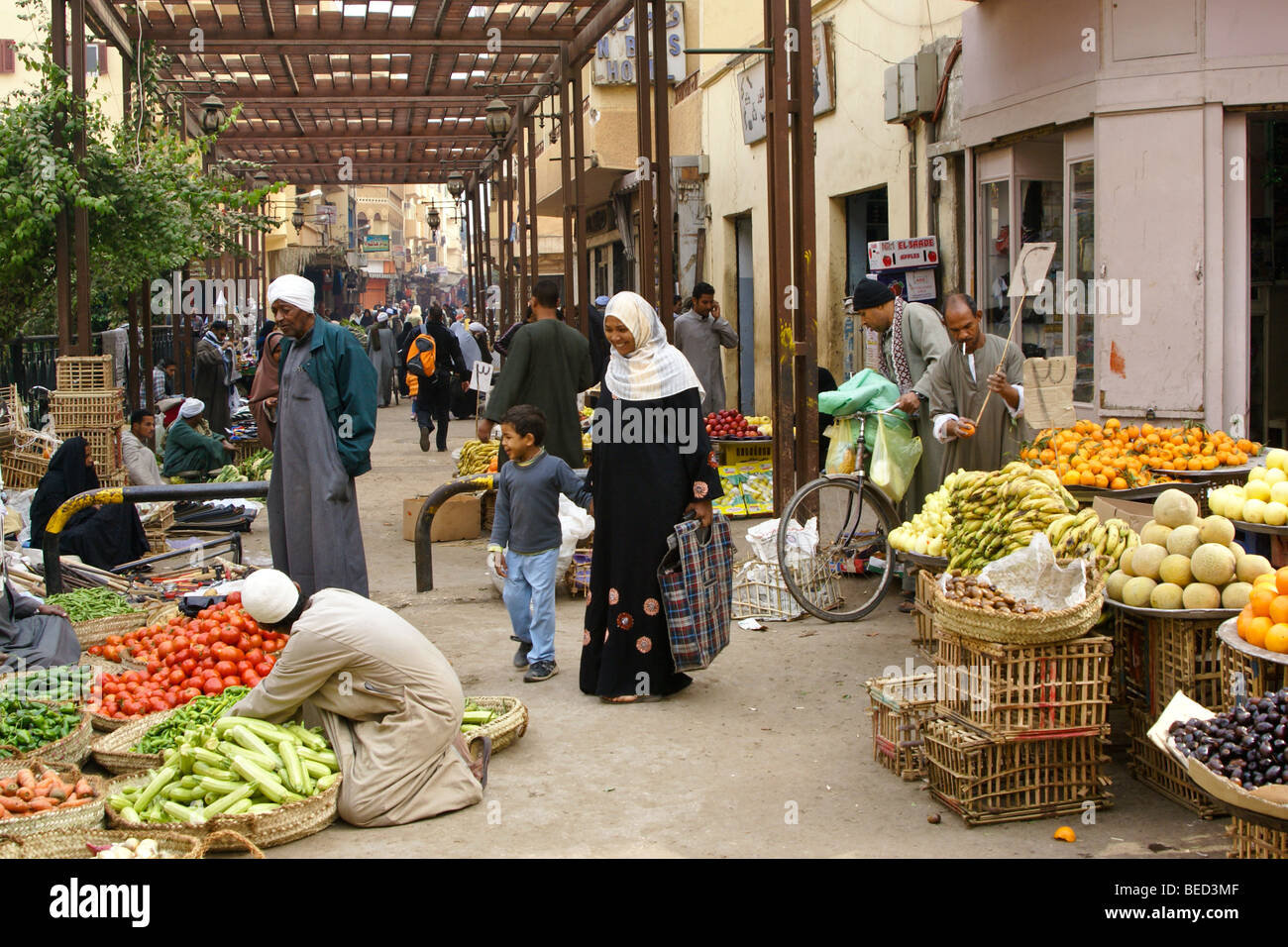
On Sunday, March 29, 2026, prices for cantaloupe, apples, and other fruits in Egyptian markets saw a significant increase compared to previous days. The price of cantaloupe reached approximately 15 EGP per kilogram, while apples were priced at 20 EGP per kilogram. This price hike comes amid market fluctuations recently experienced in the country.
Fruit prices in Egypt are influenced by several factors, including climate changes, rising production costs, and increasing consumer demand. Additionally, a decline in local production due to challenging weather conditions has contributed to the rise in prices.
Details of the Price Increase
Reports indicate that prices for other fruits have also risen, with oranges priced at 10 EGP per kilogram and bananas at 12 EGP per kilogram. This increase in prices occurs at a time when many citizens are facing mounting economic pressures.
Cantaloupe and apples are among the favorite fruits for Egyptians, consumed widely during various occasions. However, the rise in prices may affect families' ability to purchase these fruits, potentially having a negative impact on their health and nutrition.
Background & Context
Historically, fruit markets in Egypt have experienced significant price fluctuations, especially during harvest seasons. However, the current economic conditions, including inflation and rising fuel prices, have exacerbated this issue. Climate changes affecting agricultural production also play a significant role in determining prices.
In recent years, the Egyptian government has attempted to take steps to improve agricultural production and increase self-sufficiency in fruits and vegetables. Nevertheless, challenges remain, necessitating effective strategies to address these issues.
Impact & Consequences
The increase in fruit prices may lead to reduced consumption, which could affect citizens' health. Fruits are an important source of vitamins and minerals, and thus, a decrease in consumption could result in deficiencies in essential nutrients.
Moreover, this price increase may impact the market as a whole, as consumers may turn to cheaper alternatives, which could affect the demand for fresh fruits. This situation could negatively impact farmers who rely on selling their products in the markets.
Regional Significance
Egypt is one of the largest fruit markets in the Arab region, and thus any changes in prices could affect neighboring countries. The rise in prices in Egypt may lead to increased demand for imported fruits from other countries, impacting regional trade.
Furthermore, the economic situation in Egypt may have broader implications for other Arab countries, especially those that rely on imports from Egypt. Therefore, monitoring fruit prices in Egypt is crucial for understanding economic trends in the region.
In conclusion, the Egyptian government must take effective steps to address these price increases and ensure that fruits are available at reasonable prices for citizens, contributing to an improvement in their quality of life.