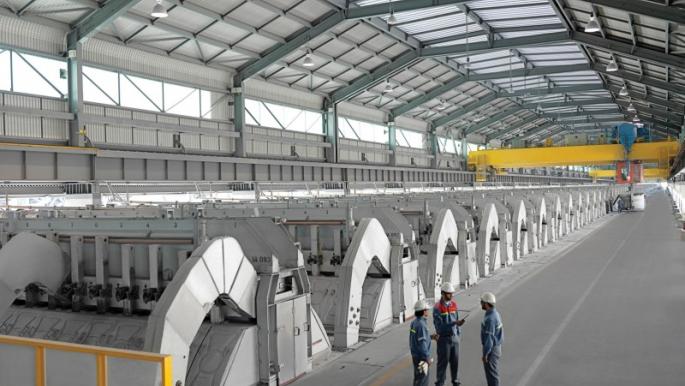
Global aluminum prices have surged to new record levels following Iranian attacks on factories in both the UAE and Bahrain. This escalation in the region has resulted in a halt to Gulf exports due to the closure of the Strait of Hormuz, which is considered one of the most crucial waterways in the world.
These developments represent a severe blow to the aluminum industry, which heavily relies on stability in the region. Any disruption in the supply of raw materials can significantly impact global prices, negatively affecting markets.
Details of the Incident
The Iranian attacks on the factories in the UAE and Bahrain occurred at a sensitive time, as markets were anticipating price stability after a period of fluctuations. However, with rising tensions, aluminum prices began to sharply increase, raising concerns among investors and analysts in global markets.
According to reports, the closure of the Strait of Hormuz, which is considered a lifeline for many oil and gas exports, could exacerbate the situation. This strait is a vital transit point for many commercial shipments, including aluminum, increasing fears about the continuity of supplies.
Background & Context
Historically, the region has witnessed numerous crises that have affected commodity prices, particularly aluminum. The political and economic tensions in the Gulf region, which is one of the largest producers of aluminum in the world, play an important role in determining global prices.
In recent years, the aluminum industry has faced multiple challenges, ranging from rising production costs to changes in global demand. However, recent events may have larger implications, especially given the current geopolitical circumstances.
Impact & Consequences
The rise in aluminum prices could significantly affect various industries, including construction, automotive, and aviation. Any increase in the cost of raw materials can lead to higher final product prices, burdening consumers.
Moreover, companies that rely on aluminum as a raw material may find themselves in a difficult position, potentially leading to reduced production or even layoffs in some cases. This situation could negatively impact local economies, especially in countries that heavily depend on this industry.
Regional Significance
The Gulf region is one of the most important areas for aluminum production, playing a vital role in the global market. Therefore, any disruption in this industry can affect Arab economies in general and increase political and economic tensions in the region.
Additionally, rising prices may lead to increased costs in many sectors, which could impact the purchasing power of citizens. Thus, governments in the region may need to take urgent measures to mitigate the effects of this crisis.
In conclusion, it appears that the current tensions in the Gulf will continue to affect aluminum prices and global markets. As crises persist, the question remains about how markets and companies will respond to these challenges.