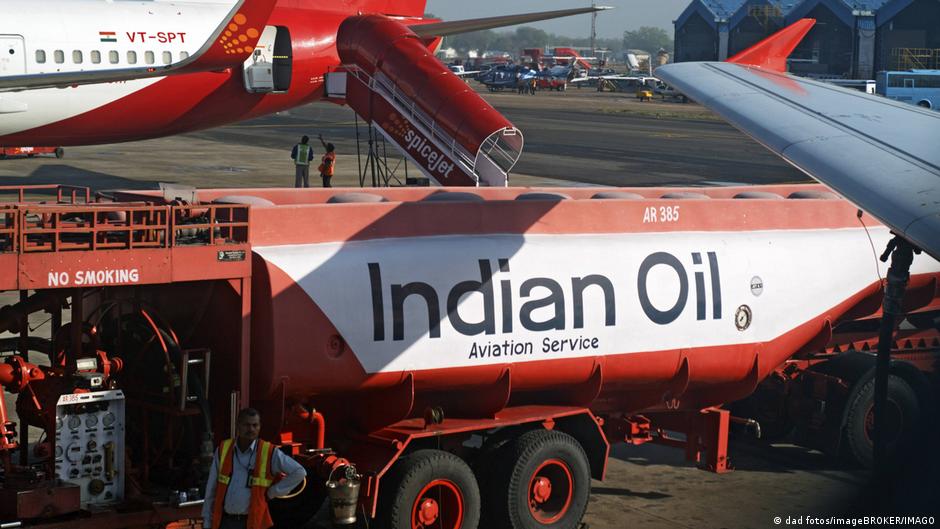
Aviation fuel prices in India have soared to a record high, exceeding 200,000 rupees per kiloliter for the first time, raising concerns within the aviation and hospitality sectors. Reports indicate that prices in the capital, New Delhi, have reached 207,341.22 rupees (approximately $2,212 or €1,911), marking a significant increase compared to previous prices.
This surge comes at a sensitive time, with international flight fuel prices rising by 107%, reflecting the direct impact of the ongoing conflict in the Middle East on the Indian economy. As a result, Indian airlines have announced additional fuel surcharges for both domestic and international flights.
Details of the Event
In India, public oil companies set aviation fuel prices, with revised prices announced on the first day of each month. The current increase is attributed to disruptions in the fuel supply chain in the Middle East, alongside the depreciation of the Indian rupee, which has recorded its worst performance in 14 years.
Last March, Indian airlines began imposing fuel surcharges, citing the sharp rise in crude oil prices since the onset of the conflict involving the United States, Israel, and Iran. Airlines are expected to review these surcharges in the coming days.
Background & Context
Historically, India has experienced similar spikes in fuel prices due to geopolitical crises, such as the Russian invasion of Ukraine in 2022, when aviation fuel prices reached around 110,000 rupees. However, the current increase is the most severe, raising questions about its impact on the Indian aviation sector.
The Indian Ministry of Civil Aviation typically seeks to impose a cap on airfare to ensure affordable tickets for citizens. However, under the current circumstances, this cap was suspended last month to allow airlines to adjust ticket prices as necessary.
Impact & Consequences
The rise in aviation fuel prices directly affects the profitability of airlines, with expectations that this increase will lead to higher prices for domestic flight tickets. The Indian Ministry of Petroleum has attempted to alleviate concerns by assuring that oil companies will implement gradual price increases.
In a social media post, the ministry confirmed that public oil companies would only pass on a partial increase of 25% (approximately 15 rupees per liter) to airlines, indicating that airlines would bear the full cost for international flights.
Regional Significance
The Arab region is directly affected by the ongoing events in the Middle East, as fuel prices are a key factor influencing the economy. With rising tensions in the region, Arab countries may also experience similar impacts on fuel prices, reflecting on travel and transportation costs.
Ultimately, this rise in aviation fuel prices in India signals the economic challenges that countries may face amid geopolitical crises, necessitating effective measures to mitigate their effects.