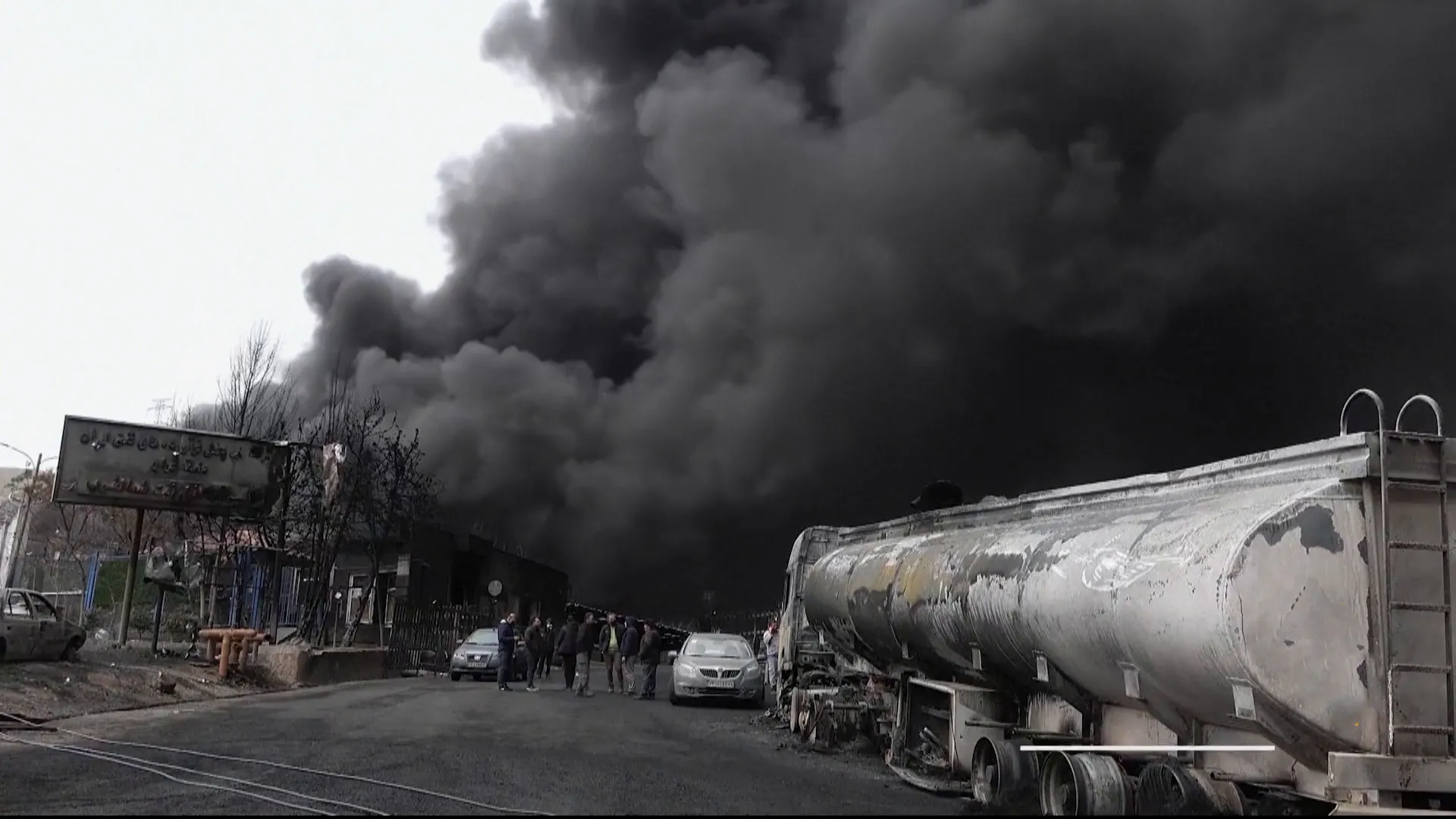
Energy prices have reached record highs in March 2023, with oil prices climbing to their highest levels since 2022. This increase is a direct result of supply disruptions through the Hormuz Strait, one of the world's most vital maritime routes for oil transportation.
Simultaneously, natural gas prices have doubled due to a global supply shortage and the difficulty in finding effective alternatives. This price increase raises concerns among consuming nations, as it directly affects local economies and increases the cost of living.
Details of the Event
The escalation of geopolitical tensions in the region has disrupted navigation through the Hormuz Strait, leading to a decline in oil supplies. This strait is considered a critical point for transporting about 20% of the world's total oil, and any disruption in this area significantly impacts global prices.
Reports indicate that crude oil prices have risen by up to 10% in some markets, reflecting a state of uncertainty in the market. Additionally, natural gas prices have seen similar jumps, increasing by 15% due to supply shortages.
Background & Context
Historically, the Arabian Gulf region has been a center for numerous political and economic crises, affecting the stability of energy prices. Since the onset of conflicts in the area, markets have experienced significant volatility, with any tensions leading to rapid price increases.
In recent years, pressures on energy markets have intensified due to climate change and the transition towards renewable energy sources. However, oil and gas still represent a fundamental part of the global energy mix, making any disruption in supplies have far-reaching effects.
Impact & Consequences
Forecasts suggest that the continued rise in energy prices may lead to increased inflation in many countries, placing additional pressure on governments. In oil-importing nations, transportation and energy costs may rise, affecting the overall prices of goods and services.
Moreover, rising energy prices could impact investments in other sectors, as companies may look to reduce their expenditures or postpone projects due to uncertainty in costs. This could lead to a slowdown in economic growth in many countries.
Regional Significance
For Arab countries, the rise in energy prices may have dual effects. On one hand, oil-exporting nations may benefit from increased revenues, bolstering their budgets. On the other hand, oil-importing countries may face significant economic challenges due to rising energy costs.
This situation could exacerbate economic crises in some countries, especially those with weak economic infrastructure. It may also lead to increased public protests due to higher living costs.
In conclusion, the situation in the Hormuz Strait remains under close observation, as any new developments could significantly affect global energy prices, necessitating that countries prepare to face upcoming economic challenges.