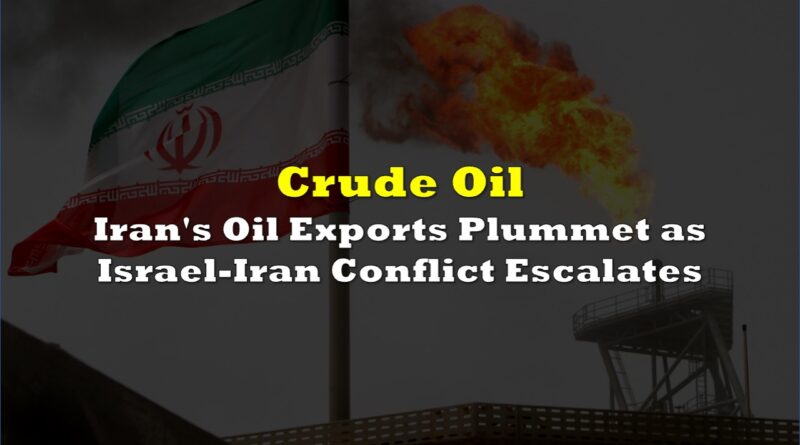
US oil exports are currently witnessing a record surge, with notable increases in demand from foreign markets. This rise comes against the backdrop of tense conditions in Iran, bolstering efforts by President Donald Trump to achieve "American energy dominance." As shipments increase, exports are beginning to encounter practical limits related to logistical capabilities.
In recent years, the United States has successfully enhanced its position as a major oil exporter, benefiting from increased domestic production. With escalating tensions in the Middle East, American oil has become a preferred option for many countries seeking to secure their supplies.
Details of the Event
Reports indicate that demand for US oil has reached record levels, as importing countries strive to reduce their dependence on traditional oil sources. In this context, Iran emerges as a key factor in the uptick in demand, as the ongoing conflict there has curtailed supplies from other nations, prompting many countries to seek alternatives.
However, the increase in exports faces challenges related to logistical capabilities. As shipment volumes rise, issues related to transportation and shipping emerge, potentially impacting the United States' ability to meet growing demand.
Background & Context
Historically, the United States relied heavily on oil imports, but since the beginning of the last decade, the country has undergone a significant transformation thanks to shale oil extraction technologies. This shift has made it one of the largest oil producers in the world, contributing to its economic stability.
In recent years, the US administration has taken steps to bolster oil exports, including easing regulatory restrictions and increasing investments in infrastructure. With rising geopolitical tensions, American oil has become more crucial than ever.
Impact & Consequences
The increase in US oil exports significantly affects global markets. With rising demand, we may witness an uptick in oil prices, impacting the global economy. This situation could also strengthen the United States' position in trade negotiations with other countries.
Furthermore, logistical challenges may lead to increased shipping costs, which could affect final oil prices in global markets. Consequently, any market fluctuations could result in unexpected impacts on both the US and global economies.
Regional Significance
The Arab region is directly affected by these developments, as Gulf countries are among the largest importers of US oil. With rising demand, these nations may find themselves in greater competition with the United States in global markets.
Additionally, tensions in Iran could impact regional stability, increasing the importance of American oil as an alternative. This situation may reshape economic and political relations between Arab countries and the United States.
In conclusion, the rise in US oil exports comes at a critical time, as geopolitical tensions escalate and markets face new challenges. It is essential to monitor these developments closely, as they may have far-reaching effects on the global economy.