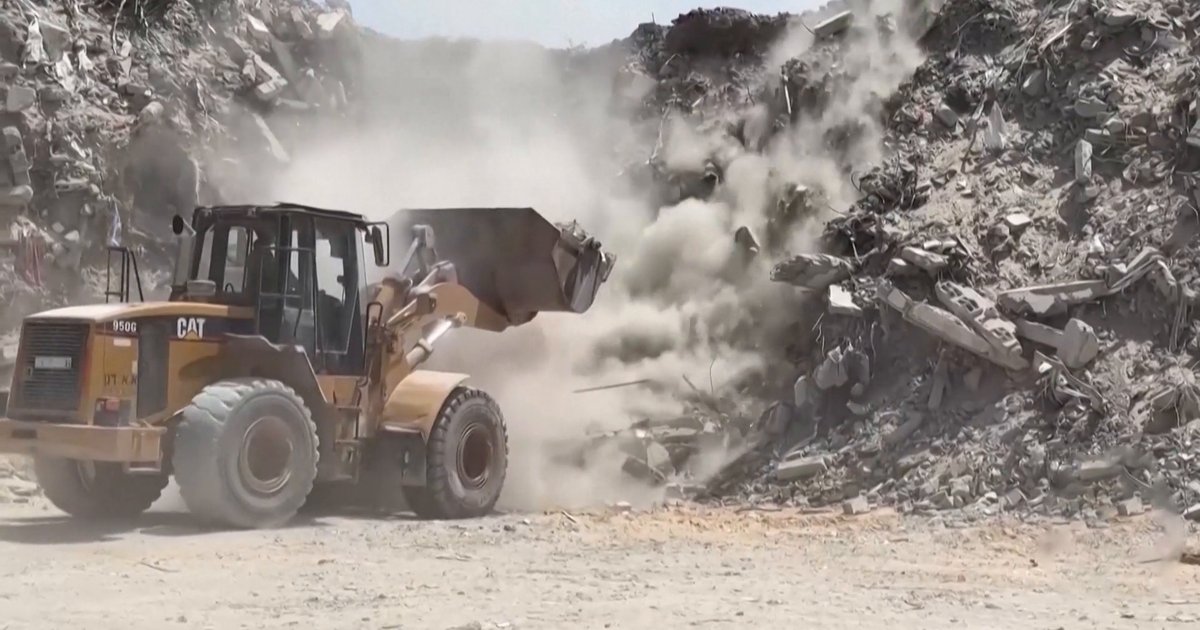
The local authorities in Gaza are striving to address the devastating impacts of the recent war by recycling rubble from destroyed buildings. This initiative aims to utilize the resulting materials for repairing roads and infrastructure, showcasing the community's resolve to overcome crises.
Gaza faces significant funding challenges, as the difficult economic conditions hinder recovery efforts. However, recycling rubble represents a temporary solution to bridge the gap in materials needed for reconstruction, contributing to the acceleration of work on the ground.
Details of the Initiative
The process of recycling rubble involves collecting materials from destroyed buildings, such as concrete and bricks, and then processing them for use in creating new infrastructure. This process not only helps in providing materials but also reduces the costs associated with rebuilding.
This step is part of a comprehensive strategy aimed at improving the living conditions of residents who have suffered from the war's repercussions. Furthermore, this initiative reflects the spirit of cooperation among various local and international entities in an effort to restore normalcy in Gaza.
Background & Context
Gaza has witnessed military escalation in recent years, leading to the destruction of numerous buildings and vital facilities. These conditions have prompted residents to seek innovative solutions to overcome crises. Recycling rubble is not a new concept, but it gains greater importance under the current circumstances.
Historically, Gaza has suffered from a shortage of essential materials, making recycling a necessary option. Repeated crises have fostered a culture of sustainability among the population, who strive to make the best use of available resources.
Impact & Consequences
Recycling rubble is a positive step towards achieving sustainable development in Gaza. This process not only contributes to improving infrastructure but also enhances the community's ability to face future challenges. Additionally, this initiative may open the door to new projects that create job opportunities for residents.
Despite the challenges, the success of this initiative could encourage further investments in the reconstruction sector, enhancing Gaza's capacity for recovery. It is crucial for local and international efforts to converge in support of these initiatives to achieve tangible results.
Regional Significance
The experience of Gaza in recycling rubble serves as a model for other regions affected by conflicts. This initiative can inspire other countries in the region to adopt similar strategies, contributing to enhanced sustainability and reconstruction efforts.
In light of the recurring crises faced by many Arab countries, adopting innovative solutions like recycling rubble can have a positive impact on local communities. These experiences strengthen the ability of nations to recover and develop sustainable infrastructure.