On Monday, the President of the International Committee of the Red Cross, Mirjana Spoljaric, condemned the deliberate threats aimed at civilian infrastructure in the Middle East, stressing that waging wars without constraints is a blatant violation of international law.
In a press statement, Spoljaric stated, "Deliberate threats, whether verbal or physical, to vital civilian infrastructure and nuclear facilities must not become the new norm in times of war." She asserted that "waging war without constraints contradicts international law, is unjustifiable, and destructive to entire populations."
Details of the Incident
Spoljaric's remarks followed threats made by former U.S. President Donald Trump to target power plants and bridges in Iran if Tehran did not reopen the strategic Strait of Hormuz. In recent weeks, airstrikes have targeted civilian sites, raising concerns among humanitarian organizations.
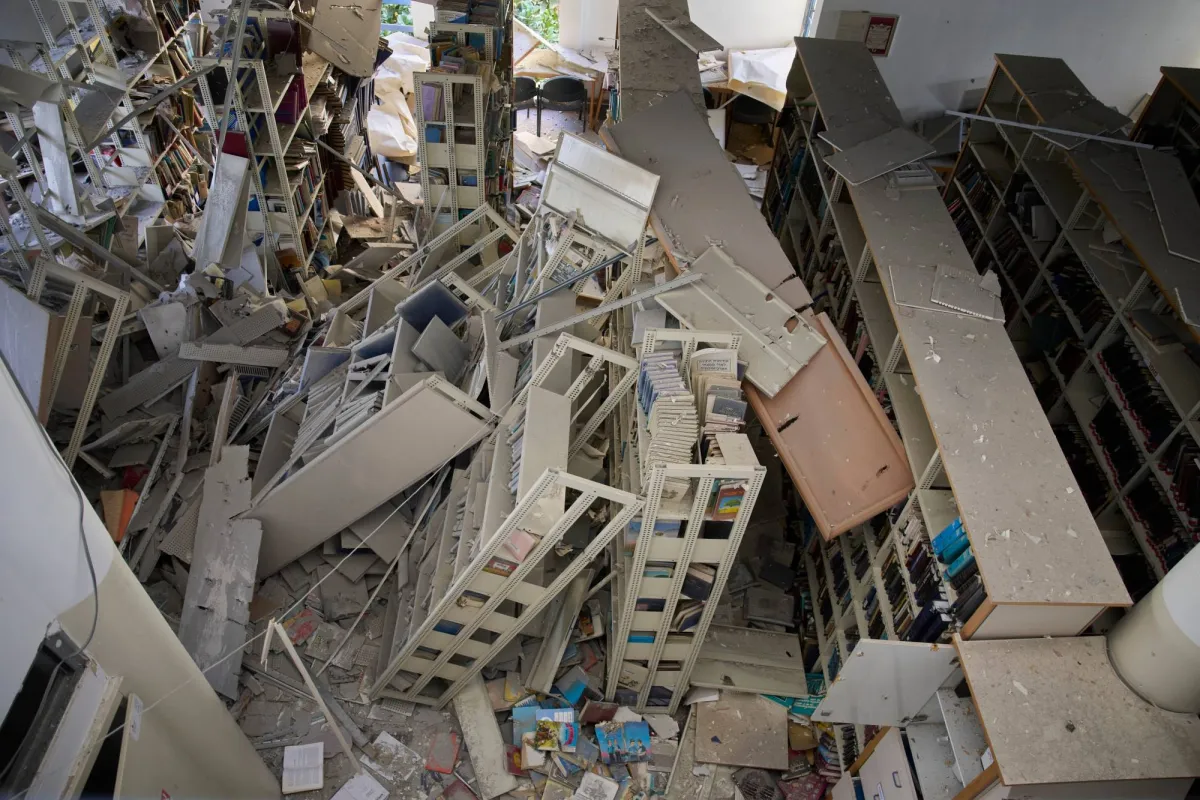
Spoljaric noted that Red Cross teams have observed the destruction of essential infrastructure relied upon by civilians, such as power generation stations, water supply networks, hospitals, roads, bridges, homes, schools, and universities, which have been subjected to repeated attacks.
Background & Context
These statements coincide with the escalation of conflict in the Middle East, where the region has been experiencing war since February 28 following a joint attack by the United States and Israel on Iran, which led to retaliatory actions from Tehran targeting Israel and Gulf states through missile strikes and drone attacks.
In Israel, the recovery of the bodies of four individuals from the rubble of a residential building in Haifa, which was hit by an Iranian missile attack, reflects the extent of the devastation caused by these strikes. The Israeli army indicated that the deceased were from the same family, complicating the humanitarian situation in the region.
Impact & Consequences
The threats facing nuclear facilities are particularly alarming, as any miscalculations could have severe consequences for future generations. Spoljaric urged the involved parties to take urgent action to protect civilians and civilian property during military operations, emphasizing that this is a duty under international humanitarian law.
She also stressed the necessity of respecting and enforcing the rules of war, warning that the world cannot succumb to a political culture that prioritizes death over life. These statements reflect a growing concern among humanitarian organizations about the humanitarian impact of armed conflicts in the region.
Regional Significance
These developments underscore the urgent need to protect civilians in conflict areas, where many suffer from the effects of ongoing wars. The destruction of essential infrastructure exacerbates humanitarian conditions and increases the suffering of civilian populations, necessitating an urgent international response.
In conclusion, the situation in the Middle East remains under international scrutiny, with increasing calls to protect civilians and ensure respect for international law amid escalating conflicts.