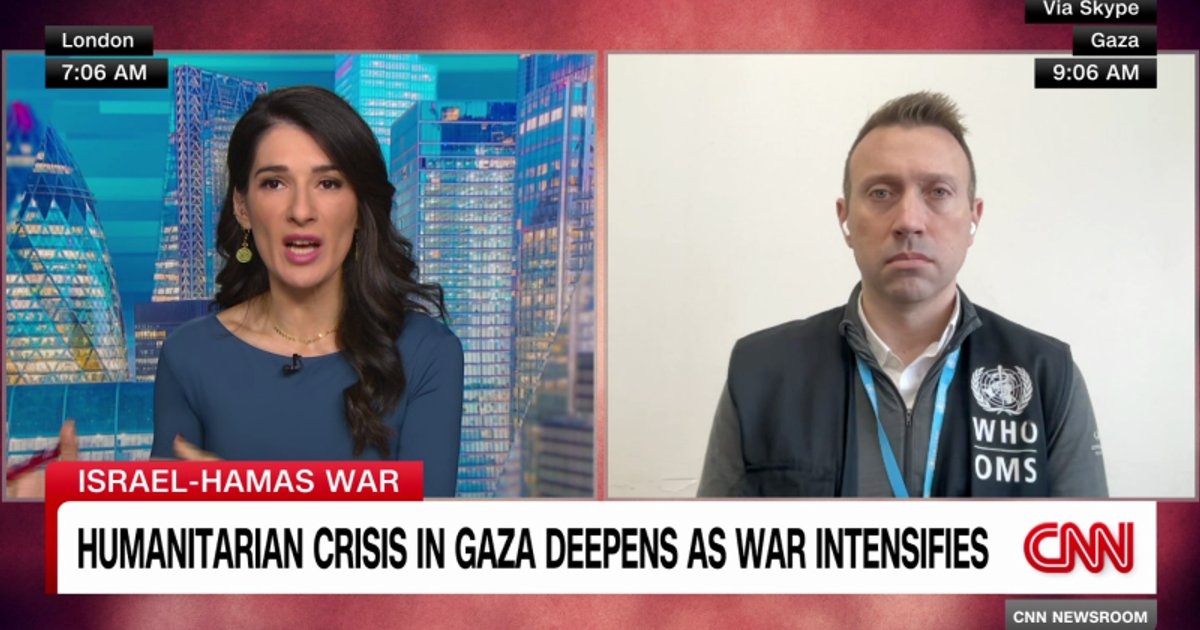
The International Committee of the Red Cross has confirmed that the residents of Gaza are facing an extremely difficult humanitarian situation, urgently needing safe and sustainable shelters. These statements come at a time when humanitarian crises in the region are escalating, necessitating immediate international action to meet the needs of affected populations.
The situation in Gaza is worsening due to ongoing conflicts, with residents suffering from a severe shortage of shelter and basic facilities. The Red Cross has noted that many families have lost their homes due to continuous shelling, exacerbating their daily suffering.
Details of the Situation
In a special statement to Al-Ittihad newspaper, a spokesperson for the Red Cross stated that the situation in Gaza requires an immediate response from the international community. They explained that many families are living in unsafe conditions, putting their lives at risk. There is an urgent need to provide sustainable shelters that ensure the safety of the population.
The basic needs of the residents include food, water, electricity, in addition to shelter. The Red Cross has indicated that many humanitarian organizations are working on the ground to provide assistance, but efforts are still insufficient to meet the increasing needs.
Background & Context
Historically, Gaza has witnessed numerous humanitarian crises due to ongoing conflicts and the blockade imposed on the region. Since 2007, the residents of Gaza have been suffering from difficult living conditions, with significant deterioration of infrastructure. This has led to widespread poverty and unemployment, further increasing the suffering of the population.
Gaza is considered one of the most densely populated areas in the world, with over 2 million people living in a small space. This population pressure, combined with deteriorating economic conditions, makes it challenging for residents to obtain their basic needs.
Impact & Consequences
The repercussions of the situation in Gaza extend beyond its borders, affecting regional stability. The continuation of humanitarian crises in Gaza could exacerbate tensions in the region, necessitating urgent intervention from the international community. Additionally, the poor humanitarian conditions may lead to increased migration and displacement, putting additional pressure on neighboring countries.
Providing humanitarian aid is vital to maintaining stability in the region. Many international organizations have called for urgent support for the residents of Gaza, as any delay in delivering aid could worsen the humanitarian situation.
Regional Significance
The conditions in Gaza are indicative of the humanitarian crises faced by many Arab countries. The continuation of these crises could affect relations between Arab nations and increase regional tensions. Furthermore, the humanitarian situation in Gaza may impact the security and stability of neighboring countries, necessitating urgent action from the international community.
In conclusion, the situation in Gaza requires an immediate response from the international community to meet the needs of the affected population. Providing safe and sustainable shelters is crucial to ensuring the safety of the residents and improving their humanitarian conditions.