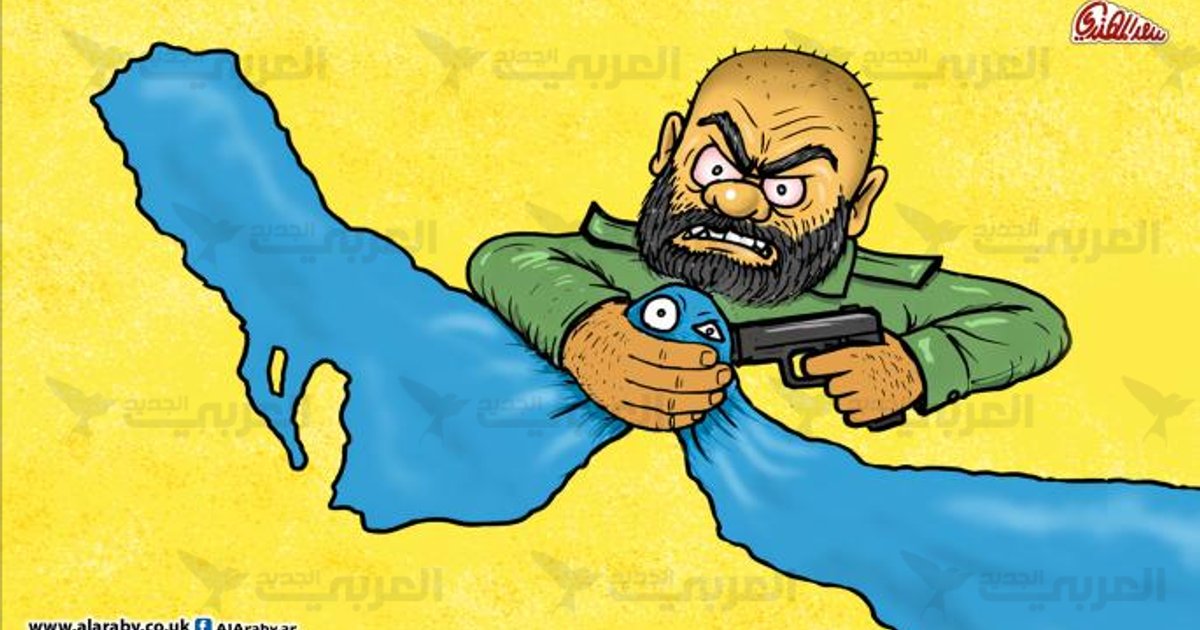
The United States faces a significant challenge in redefining its role in the region, particularly in light of the rising tensions in the Gulf. The Hormuz moment may not lead to the fall of the empire, but it could reshape U.S. political strategies. This challenge is highlighted by the multiple crises occurring in the Middle East, which require U.S. decision-makers to think deeply about how to navigate these changes.
In recent years, the Gulf region has witnessed increasing tensions, especially with the escalation of Iranian military activities in the Strait of Hormuz, one of the world's most critical maritime passages. These activities raise concerns among Western nations that rely on this route for oil and gas transportation. Consequently, any escalation in this context could significantly impact the global economy.
Details of the Event
The Strait of Hormuz is a vital transit point, through which approximately 20% of total global oil exports pass. In recent years, Iran has increased its threats to close this strait, prompting the United States to bolster its military presence in the region. These moves indicate that the U.S. still considers itself the dominant power in the Gulf, despite the increasing challenges posed by Iran.
Pressure is mounting on the U.S. administration to adopt new strategies that align with the changing reality. As American influence wanes in some areas, the question arises about how to maintain U.S. interests amid these challenges. There are growing calls for a reassessment of U.S. policies in the Middle East, including how to engage with Iran.
Background & Context
Historically, the United States has viewed itself as the primary protector of its interests in the Gulf, having experienced numerous crises that have influenced this role. From the Gulf War in the 1990s to the U.S. invasion of Iraq in 2003, the U.S. has always been at the center of events. However, recent geopolitical changes, including the rise of China and Russia, may lead to a reshaping of the balance of power in the region.
Moreover, tensions between the U.S. and Iran have escalated since Washington's withdrawal from the nuclear deal in 2018. This withdrawal has heightened tensions and affected relations between Gulf states and Iran, complicating the political landscape in the region.
Impact & Consequences
If tensions in the Strait of Hormuz continue, this could affect global oil prices, negatively impacting the global economy. Additionally, any military escalation could lead to unforeseen consequences, including the outbreak of new conflicts in the region. This situation requires the United States to seriously consider how to manage its relationships with Gulf states and Iran.
This new phase of U.S. policy in the region necessitates a comprehensive reassessment, taking into account the strategic interests of Arab states, as well as security challenges. Cooperation with allies in the Gulf will be essential to maintain stability in the region.
Regional Significance
For Arab states, any change in U.S. policy could significantly impact regional stability. Gulf countries heavily rely on U.S. support in facing Iranian threats. Therefore, redefining the U.S. role could lead to changes in regional alliances.
Under these circumstances, Arab states must be prepared to adapt to any shifts in U.S. policy and seek ways to enhance their regional cooperation. Security and economic challenges require a unified response from Arab nations to safeguard their interests.
In conclusion, the Hormuz moment remains a turning point in U.S. policy in the region. While the American empire does not appear to be on the verge of collapse, redefining its role may be essential to address future challenges.